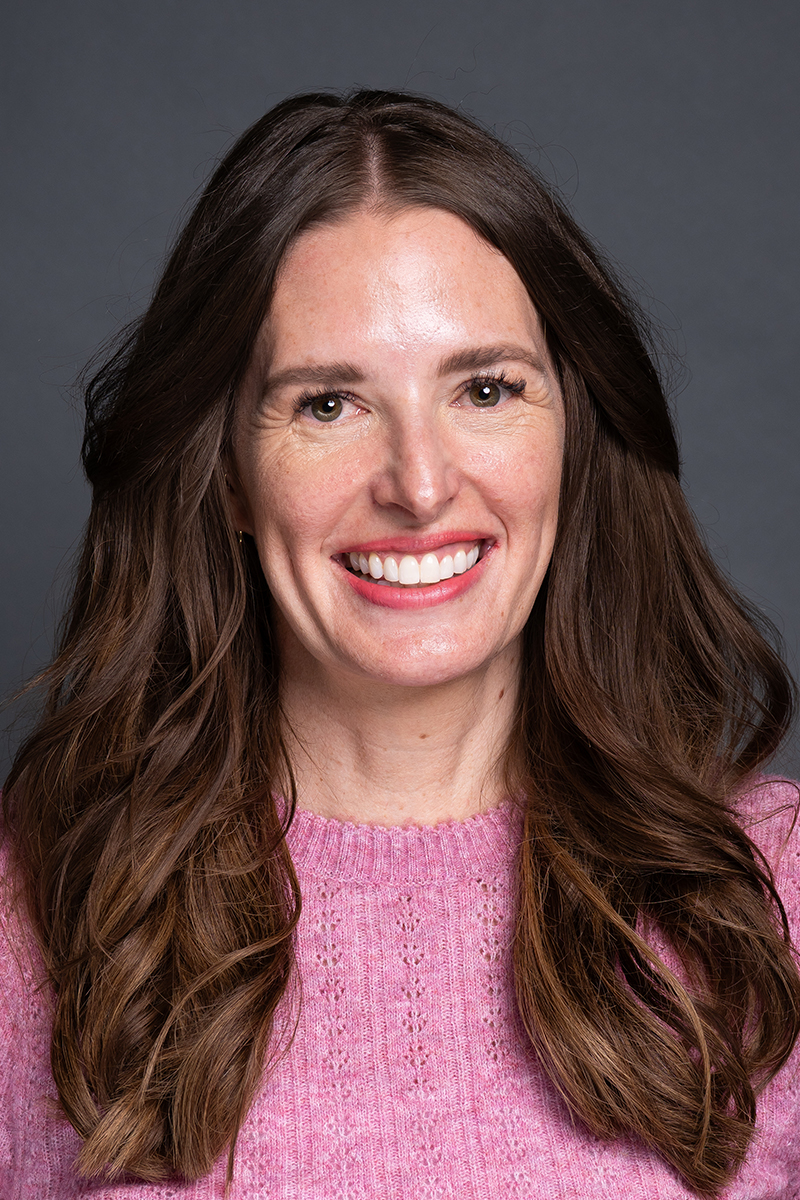
Family Medicine and Dermatology

Family Doctors are well qualified to diagnose children, teens and adults and then, in most cases, treat them or direct them to the appropriate, definitive care. Often, when dealing with skin related issues, people think they need to go directly to a Dermatologist. However, your Primary Care Provider (PCP) such as your Family Doctor can diagnose and treat many of these concerns. You can be assured your PCP has received training to diagnose and treat acne, eczema, pre-cancerous lesions, cancerous lesions, rashes, moles and warts.

Our skin is our interface with the world and the barrier to infection.  A very important organ.

Patients, especially teens, do not like the pain and frustration that comes with acne breakouts, particularly on the face.  PCPs are trained to treat acne with conventional creams, including benzyl peroxide, Retin-A, antibiotics and keratolytics.  But their training doesn’t stop there.  If the acne doesn’t respond to conventional treatments, a PCP can also prescribe Accutane for the hard to treat and scarring type of Acne.  There is no need to leave the comfortable confines of your PCP’s office to receive this type of treatment.

The dry climate of our desert atmosphere makes eczema more severe.  If over the counter creams do not solve the problem, PCPs have the knowledge to prescribe steroid creams that will keep this irritating rash in check.  There is no need to see a dermatologist for this very common problem.

Sun damaged skin is also a concern that can lead to actinic keratosis, a pre-cancerous lesion that needs to be treated with liquid nitrogen or other skin creams.  A PCP has also received training in shaving off moles, doing a punch biopsy or excising lesions that need to be looked at by a pathologist to see if they are cancerous.

Now if a cancer is diagnosed from a biopsy, your PCP can either excise the cancer, thereby curing the disease, or refer to the proper surgeon to complete the treatment.  But, the diagnosis of cancer can always be made at your local office.

Many viruses or allergens will cause rashes.  Your PCP treats infection.  And will usually be able to identify the rash and provide treatment.  However, if the disease is an exotic disease of has unusual presentations, your doctor will know where to refer you for a consultation to establish the diagnosis.

The wart virus produces visible, irritating lesions that most people do not want to deal with for a long period.  PCPs have the equipment and materials to treat warts in the office, including liquid nitrogen, duct tape advice and DNCB treatment for hard to cure warts.  There is no need to travel to have your warts treated.

The skin is a vital organ.  It needs to treated with respect so it can continue to protect us from the environment and diseases.  Let your PCP help you keep your skin healthy.

Why should I exercise?

We know exercise is good for us. But how vital is it?

According to the Center for Disease Control (CDC), American College of Sports Medicine, and the American Heart Association, “…more active or fit individuals tend to develop less coronary heart disease than their sedentary counterparts. If coronary heart disease develops inactive or fit individuals, it occurs at a later age and tends to be less severe.” Many other studies also prove the protective effects of physical activities against a number of other chronic medical conditions including Type 2 diabetes, hypertension, osteoporosis, and colon cancer. As a nation, we do very poorly with being as active as we should. Studies show that less than one-third of Americans meet the minimum requirements to receive these preventative benefits.

Specifically, it has been shown that regular exercise will increase your exercise tolerance, decrease body weight, decrease blood pressure, decrease bad (LDL and total) cholesterol, increase good (HDL) cholesterol, and increase insulin sensitivity (ability to control glucose levels in the blood). Many studies have shown that exercise programs improve “bone health and ability to perform daily activities, as well as a lower likelihood of developing back pain and of disability, particularly in older age groups.” Exercise has also been found to be beneficial for your mental health.

How much and what type of exercise is needed to get these beneficial effects? According to the CDC/ASCM consensus statement, “Every American adult should participate in 30 minutes or more of moderate-intensity activity, on most, and preferably all, days of the week.” There are many types of activities that could qualify including walking briskly, golf without a cart, gardening, cycling, swimming, hiking, tennis, running, etc. You do not have to choose just one activity. Do a different activity every day or learn a new activity each week. The 30 minutes do not have to be consecutive either. Studies show that, “It has been shown that repeated intermittent shorter bouts of activity (such as 10 minutes) that include occupational and recreational activity or the tasks of daily living have similar cardiovascular and other health benefits if performed at the moderate intensity level with and accumulated duration of at least 30 minutes per day.” If you are already meeting these requirements, then continue these healthy habits. Consider increasing the intensity of your current activities as that will add additional benefits.

If I already have heart disease is it too late to start? Emphatically NO! Starting to exercise will still bring improved health to your heart as well as the other benefits mentioned. Patients who have heart disease who meet these requirements find an “earlier return to work and improvements in other measures of quality of life, such as more self-confidence, lower stress, and lower anxiety.” Studies show that those who have previously had a heart attack who participate in a formal exercise program have a reduction in the death rate of 20-25%. That is significant. It is never too late to start. If you have current heart disease and two or more the following risk factors then consult your physician prior to starting and exercise program. Those risk factors include age over 45, family history of heart disease before 55, history of cigarette smoking, high blood pressure, abnormal cholesterol levels, diabetes, obesity and/or previous sedentary lifestyle.

Choose to start today. Your heart, mind, and body will thank you. Start small by doing 10 min of exercise 2-3 days a week for 2 weeks. Then increase the number of days you exercise by one for 2 weeks. Continue this pattern until you are exercising on most days of the week. Then increase the amount of time you are exercising. Then increase the intensity until you are exceeding the requirements.

Quotations from Meyers, Jonathan. Exercise and Cardiovascular Health. Circulation – Journal of the American Heart Association. 2003;107:e2-e5.

Canyon-View_Provider_Taylor-Sorenson
providers
Taylor Sorenson, DO
801-798-7301
Family Medicine
providers
Courtney Rogers, LCMHC, NCC
providers
Joey Payne, AMFT
services
Behavioral Health
Load more results