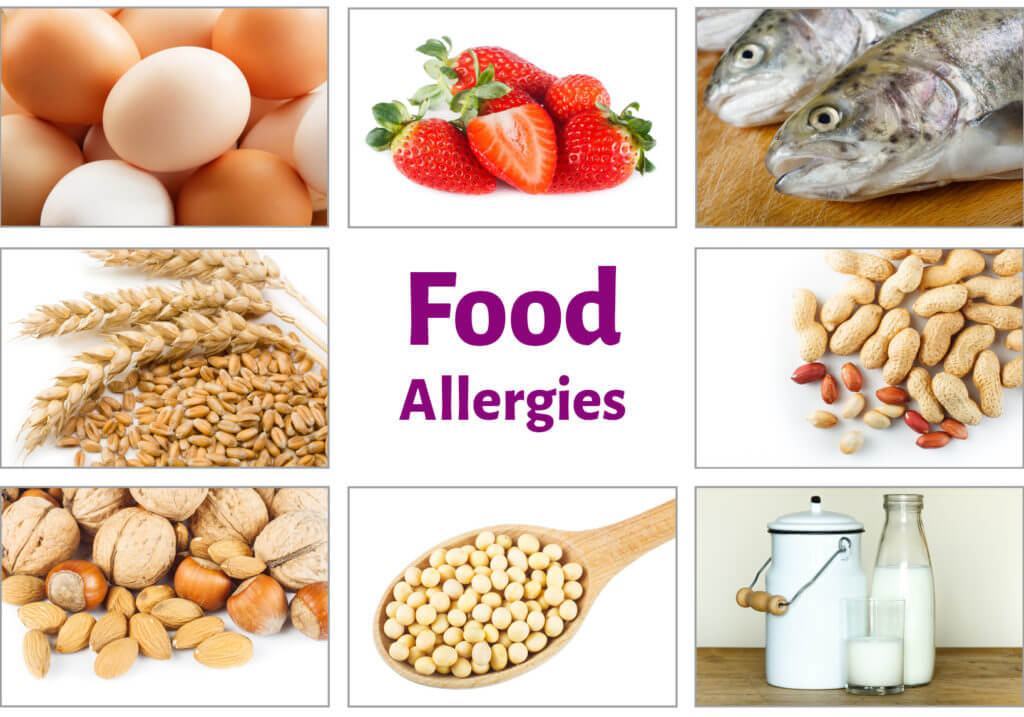
Food Allergy or Food Intolerance?

Do you have chronic stomach cramping, gas pains, bloating, or diarrhea? Does your food seem to go right through you after you eat? If so, you should see your doctor and make sure you don’t have a more serious medical condition. However, let’s say you have seen your physician, and they haven’t found anything seriously wrong. Could it be a food allergy? Should you get allergy testing? Well, before you see an Allergist, first consider food intolerance as the root of your symptoms.

Food intolerance occurs when our bowels lose the ability to digest a particular type of food. The inability to digest can happen as our bowels get older. For an unknown reason, our digestive system stops producing the enzymes needed to digest certain foods. So the bacteria in our intestines digest the food instead. Bacteria create gas, bloating, and diarrhea. Unfortunately, there are no accurate medical tests that confirm which food is causing the symptoms (1). It is just trial and error, cutting out certain foods and seeing if you feel better.

But how do you know your symptoms are not from a food allergy? A food allergy can cause stomach symptoms, but there are usually other symptoms like hives, throat swelling/itching, trouble breathing, heart racing, and dizziness. If you have any of these symptoms, then you should get allergy testing. Otherwise, try ruling out a food intolerance first.

Which foods should you try cutting out? Start with foods you suspect. Cut them out one at a time, each for a few weeks, and see which one feels better to you. Try cutting out all suspicious foods at once and then add them back in one at a time, but that is often hard to do. Here are some typical food intolerances you could start removing from the diet:

  • Lactose (dairy) 
  • Fructose (e.g., high fructose corn syrup)
  • Gluten
  • An excessive amount of insoluble fiber
  • Fermentable oligosaccharides, disaccharides, monosaccharides, and polyols (FODMAPs): FODMAPs are certain types of sugars that some people don’t digest well. They are found in several different types of foods (2). You can see which types of foods are high in FODMAPs, by clicking here:

https://med.virginia.edu/ginutrition/wp-content/uploads/sites/199/2018/05/Low_FODMAP_Diet_12.16.pdf

If you need help with a food allergy, please contact our office at 801-798-7301.

Sources:

  1. Moshiree, B. Rao S. Up-To-Date diagnosis and management of IBS and chronic constipation in primary care. Supplement to Journal of Family Practice. Vol 70, No 1 Suppl. Jan/Feb 2021.
  2. Commins, S. P. 

Food intolerance and food allergy in adults: An overview. UpToDate. Accessed on 3/12/21 from https://www.uptodate.com/contents/food-intolerance-and-food-allergy-in-adults-an-overview?search=food%20intolerance&sectionRank=1&usage_type=default&anchor=H374023795&source=machineLearning&selectedTitle=1~150&display_rank=1#H2655247307

Oral Allergy Syndrome

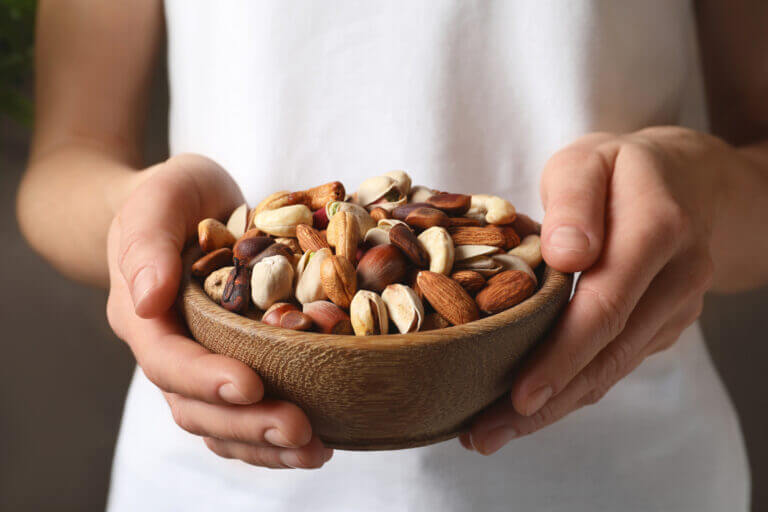
Can’t enjoy that apple, peach, or cherry? Many people with a condition called Oral Allergy Syndrome (OAS) can experience an itchy mouth/throat, mouth swelling, and rarely throat closing off when eating certain fruits, vegetables, or nuts. OAS is a type of food allergy that develops in adults with seasonal pollen allergies.

When a person has seasonal allergies to some pollens in the air, such as birch, ragweed, mugwort, or grass, they develop antibodies for this pollen. This plant pollen is genetically similar to certain fruits, vegetables, or nuts that the person may eat.

BIRCH

RAGWEED

MUGWORT

The allergic reactions people with OAS experience are generally mild, and if bothersome enough, do respond to antihistamines like Benadryl or Allegra. Rarely the symptoms can be severe, even life-threatening, and require an EpiPen to reverse the swelling. When these reactions occur, the person often thinks they are allergic to the food they ate, and sometimes this is the case. But usually, the allergy testing done for the suspected fruit/vegetables comes back negative. Even though there is a negative test result, the antibodies to the pollen are cross-reacting with other structurally similar proteins in the food and then triggering the swelling/itching reaction.

Avoidance of the fruit/vegetable/nut is usually the only treatment. Sometimes, if the reaction is mild, taking an antihistamine medicine before eating can help. Allergy shots or allergy drops under the tongue, known as immunotherapy, can also work. With immunotherapy, the patient receives small doses of the pollen that causes their allergy. The low doses help train their immune system to tolerate the pollen without getting allergy symptoms. This tolerance carries over to the food the person reacted to in the past so that they can eat that food without getting throat/mouth swelling. Then you can enjoy that apple, peach, or cherry.

If you are interested in getting allergy testing, beginning immunotherapy, or would like to discuss your allergy symptoms more with a physician, please call our Canyon View Family Medicine office in Spanish Fork at 801-798-7301, and schedule an appointment with Dr. David Beckstead.

Sources:

Nowak-Wegrzyn A. Clinical manifestations and diagnosis of oral allergy syndrome (pollen-food allergy syndrome). UpToDate. Accessed on 3/31/20 from Clinical manifestations and diagnosis of oral allergy syndrome (pollen-food allergy syndrome)

Understanding Food Allergies

How do I know if I have a food allergy?

The most common symptoms of food allergy are chronic upset stomach, bloating, diarrhea, and nausea. Other less common symptoms are chronic rashes, severe persistent eczema, hives, itchy throat, or swelling in the mouth or throat. The rarest, but most severe, food allergy reaction is anaphylaxis. Anaphylaxis is a life-threatening reaction where, within minutes of being exposed to the allergic substance, your blood pressure drops, you feel dizzy like you are going to faint, your throat or airway swells shut, and it is hard to breathe. Peanuts, tree nuts, and shellfish are the most common foods that can cause anaphylaxis.

What are the most common food allergies?

The most common foods that can cause allergies are wheat, egg, soy, milk, fish, shellfish, peanuts, tree nuts, and almonds.

How do food allergies develop?

Food allergies develop in individuals that have a genetic predisposition. Food allergies can develop at any time in life. If there is a strong genetic predisposition, the food allergy may be present at birth or develop in early childhood. For example, infants can be allergic to human or cow milk. Some toddlers and young children can develop an allergy to peanuts or tree-nuts if they were not exposed to these nuts early enough in life. It is now recommended that infants whose family members have peanut allergy be introduced to peanuts between 6-12 months of age (1).  Adults who develop a food allergy usually were eating that food every day for a long time. Such is often the case with wheat, soy, egg, and milk. Foods that are eaten every now and again are usually not the cause of chronic daily allergy symptoms.

How do you test for food allergies?

We can test for allergies with skin tests and/or blood tests. The skin tests are generally more accurate. You can also try a food elimination diet if you suspect a food allergy, although this requires more time and effort. This diet systematically cuts out different foods to help you narrow down what is causing the allergy. Here is a link to a reputable food elimination diet: http://www.lrfpc.com/forms/allergy/lrfpc_allergy_diet.pdf

How do you treat food allergies? Are they curable?

Food allergies are mainly treated through avoidance. If a person has a life-threatening reaction to a food, it should be strictly avoided. It is also a good idea for such a person to carry an Epi-pen to reverse such a reaction should they accidentally eat the food. Children will often grow out of their food allergies, like peanut, milk, and egg. When your child with food allergies is older you can take them to an Allergist’s office to see if they are still allergic.   There they can eat the food and be monitored for reactions. If the reactions occur, they can be treated there in the clinic.

If the food allergy symptoms are not life-threatening, like chronic abdominal pain or rash, then strict avoidance is also used. However, after not eating the food for 2 months, you can attempt to introduce it back into the diet 1-2x a week. Often, when the food is then only eaten 1-2x a week, the allergy symptoms will not recur. However, if the symptoms do recur, then the food should be avoided indefinitely.

Are gluten insensitivity/intolerance or Celiac disease food allergies?

No, these illnesses are not allergies and are not detected with allergy tests.

Resources:

  1. Fleischer, D. Introducing highly allergenic foods to infants and children. Up-to-date. Accessed 4/8/16. http://www.uptodate.com.xlib1.intermountain.net/contents/introducing-highly-allergenic-foods-to-infants-and-children?source=search_result&search=peanut+allergy&selectedTitle=6~59#H2497362924
Canyon-View_Provider_Taylor-Sorenson
providers
Taylor Sorenson, DO
801-798-7301
Family Medicine
providers
Courtney Rogers, LCMHC, NCC
providers
Joey Payne, AMFT
services
Behavioral Health
Load more results