Oh, summer, where have you been? Longer days and later nights, the sound of kids playing in the neighborhood, snow cones, swimsuits and sprinklers, carnivals, camping, and family vacations. Summer is a time when people and their families make memories enjoying the outdoors. It’s supposed to be filled with fun, so here are a few reminders to ensure it stays safe while having fun.

All the cool kids are wearing helmets. Summer is when kids love riding their bikes, rollerblading, skateboarding, and using motorized scooters. Encourage your children to wear a helmet, and explain that it just may save their life. Many injuries happen in driveways, on sidewalks, and on bike paths, not just on streets. Children learn best by observing you, so set the example. When purchasing a helmet, look for a label or sticker that says the helmet meets the CPSC safety standard. A helmet should be worn so that it is level on the head and covers the forehead, not tipped forward or backward. The strap should be securely fastened with about two fingers able to fit between chin and strap. The helmet should be snug on the head, but not overly tight.
Streets are for cars, not kids. Teach your children road safety.
- Teach them to use crosswalks, if available.
- Teach them when you should cross and when you shouldn’t. Look both ways.
- Encourage them to ride bikes on the sidewalks instead of streets.
- Playtime should have restrictions. Your kids should never play where vehicles are moving.
- Wear bright-colored clothing so they stand out to drivers.
Sunburns hurt. They can also be dangerous. So, power through the tantrums and resistant behavior when applying sunscreen to your kids. They will thank you when they’re older (or maybe not). Tips for sun protection include wearing hats, using long sleeves or pants when in the sun for extended times, and of course using a broad-spectrum sunscreen with SPF30 or higher. Canyon View Medical has some fantastic blogs on sunscreen. Check these out. Skin Protection by Dr. Paxton, How to Pick the Right Sunscreen by Kristen Wright, FNP.
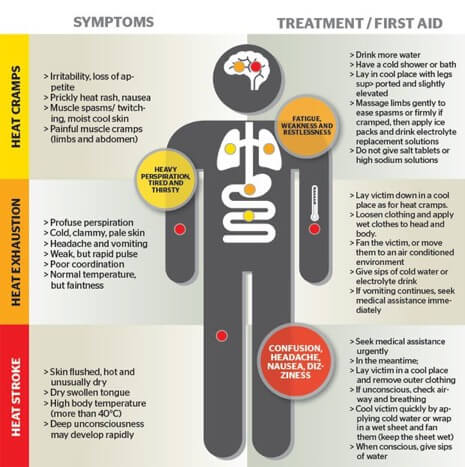
Hot cars can be killers. NEVER leave your infants and children (or pets) in a car unattended. NOT EVEN for a minute. We hear about cases every year, yet Utah continues to have heat stroke-related deaths due to parents leaving their children in the car. In fact, according to the Utah Department of Health, on average, every 10 days a child dies from heatstroke in a vehicle. In more than half of these deaths, the caregiver forgot the child was in the car. In 2018, 52 children died in hot cars across the U.S., and by June of 2019, we had already seen 11 deaths nationwide. It may be tempting to run into the gas station while your baby sleeps, or leave your toddler in the car while you drop something off at a friend’s house, but it’s best if you don’t. On an 80 degree day, the temperature inside of a car can rise 20 degrees in as little as 10 minutes and keep getting hotter with each passing minute. So, imagine what happens when the temperature outside is 100 degrees or more. Keep in mind that leaving a window open or being in the shade won’t help. Young children are particularly at risk, as their body heats up three to five times faster than an adult’s. When a child’s internal temperature gets to 104 degrees, major organs begin to shut down. And when that child’s temperature reaches 107 degrees, the child could die. It’s not worth it.
Pools are fun until they’re not. Water safety is important. You may have heard that drowning is the second most likely cause of death for kids 1-4 years of age (only after birth defects), but did you know that 69% of drownings occur during non-swim times? This means most drownings occur during unexpected and unsupervised access to water. Toddlers are, by nature, curious and active. Water safety is important at all ages, but especially for mobile children under 4. Make sure your toddlers don’t have access to indoor and outdoor standing water (i.e. swimming pools, hot tubs, bathtubs, natural bodies of water such as ponds, buckets filled with water, toilets, birdbaths, etc.). Swimming lessons are encouraged. All children should wear a life-jacket when near lakes and rivers, even if they can swim.

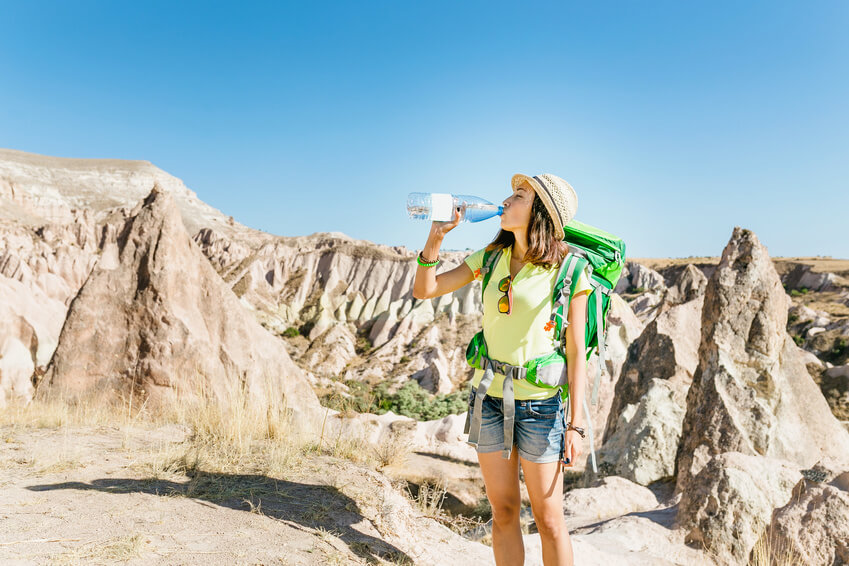
Water should be a food group. Make sure your kids drink plenty of water while in the heat of summer, even if they don’t feel thirsty. If possible, avoid activity during the hottest part of the day. Stay hydrated.
References:
www.healthychildren.org, an American Academy of Pediatrics website
https://www.safekids.org/heatstroke
https://www.cpsc.gov/Business–Manufacturing/Business-Education/Business-Guidance/Bicycle-Helmets/