Canyon View Pediatrician – Richard Paxton, MD, and Wellness Expert – Lisie Byington talk about the differences between Fad Diets vs. Real Nutrition. The presentation was given in January 2019 in Springville, Utah, as part of the Community Health Seminar Series.
Tag: Nutrition
Keeping “Heart Healthy”

February is appropriately named Heart Health Month. I often associate this month with Valentine’s and thoughts of love toward my wife and family. What better way to show your love for those closest to you than to do things to stay healthy?
Did you know that the number one cause of death in the United States is heart disease? What is your personal risk for heart attack? You can find out how likely you are to have a heart attack in the next 10 years by going to http://www.cvriskcalculator.com/ with these three numbers: 1) your total cholesterol, 2) your good HDL cholesterol, and 3) your blood pressure. With this information, you can easily do the calculation yourself. If you don’t know these numbers and have had these tests done, you are able to access your results via your patient portal. If you don’t remember how to access your patient portal, call our office. We can help to get you access or give you results from a previous test. If you haven’t had these tests recently, visit your doctor right away to get tested.

The recommended goal is to have a risk factor under 7.5%. If you have a percentage above that, it is recommended that you intervene with medication and/or changes in lifestyle and diet.
Here are ways to reduce your risk of a heart attack:
- Controlling blood pressure: The goal is to be under 140/90. Controlling blood pressure is a great way to prevent heart attacks and strokes.
- Control your cholesterol: Finding out what your cholesterol numbers are is the first step. The next thing is to act on those numbers.
- Don’t smoke: Smoking dramatically increases your risk for heart attack and stroke. Smoking is also a leading cause of cancer.
- Diabetes: Controlling weight and increasing exercise are the best ways to prevent diabetes. Diabetes doubles your risk for heart attack, and experts recommend that everyone that has diabetes be on a statin.
- Exercise regularly: The goal is to have at least 150 minutes of exercise each week. Not only do you reduce your risk of heart attack and stroke, but you also improve your physical and mental well-being.
Other general ways to improve your health include:
- Adequate sleep: The recommended amount is 7-9 hours per night.
- Don’t smoke: If you want to stop smoking, the state of Utah provides a free cessation program with counseling. You can reach them at 1-800-Quit-Now.
- Manage stress: Stress is linked to heart disease because it raises your blood pressure. Stress can even be a “trigger” to heart attacks. Positive ways to manage stress can be exercising, journaling, meditating, drawing, and listening to music. Find something you enjoy that brings you peace and stick with that!
- Have a healthy diet: What we put in our bodies has a major effect on our heart health. Try to eat plenty of fresh fruits, vegetables, whole grains, limit alcohol, and drink plenty of water. Keeping processed foods to a minimum will make your heart happier in the long run.
- Maintain a healthy weight: Being overweight or obese can increase your risk for heart disease because of other heart-related factors like high blood pressure, diabetes, and high cholesterol. Implementing a healthy diet with a moderate exercise schedule can greatly reduce your risk of becoming overweight or obese. Try to have a body mass index between 20 to 25. If you are curious as to what your BMI is, click on the link for a BMI calculator: https://www.nhlbi.nih.gov/health/educational/lose_wt/BMI/bmicalc.htm
During February show your love for your family and yourself by keeping “heart-healthy.”
Are you Going to Break Your Hip? (bone health part I)
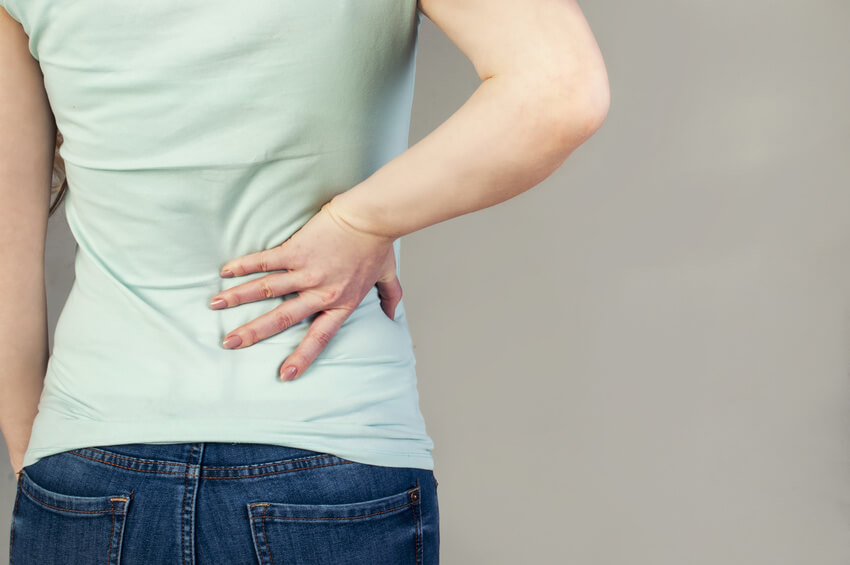
….probably not, when you’re young. However, you may be making choices that will weaken your bones and put you at risk for a fracture later in life. Bones are a living and changing organ over the course of a lifetime. During childhood and adolescent years, bone remodeling takes place where bone mass and density continues to increase even after you stop growing taller. Peak bone mass usually occurs by the mid-twenties, where you reach the greatest amount of bone you will ever have. Higher peak bone mass means stronger bones and lessens the change of getting osteoporosis or fracture later in life.
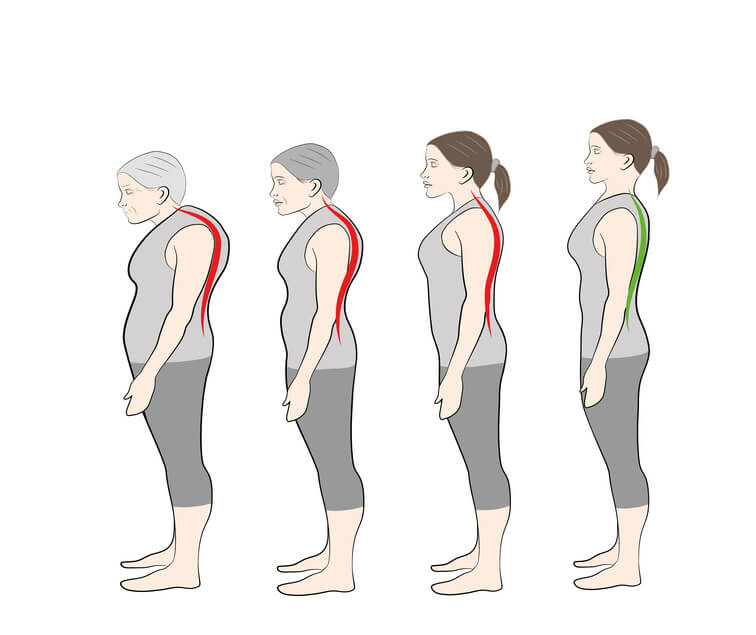
When we are young and starting a family, age 50 seems old and so far off. We think we’ll never be that old….but time passes quickly and our bodies change. As we age, our bones continue to remodel but the balance between bone destruction and new bone formation also changes. Slowly, the bones begin to weaken. This is one of the reasons that people get shorter with age. Less bone mass causes the spine to slowly collapse, making the bones more fragile and susceptible to cracking just from holding up our own body weight or breaking from a simple slip or fall. During midlife, men and women experience more bone loss. This frequently impacts women because women tend to have smaller bone structures and frames compared to men. This means women tend to start with thinner bones and less peak bone mass and bone loss may be compounded when the protective benefit of estrogen is lost as a woman becomes menopausal.
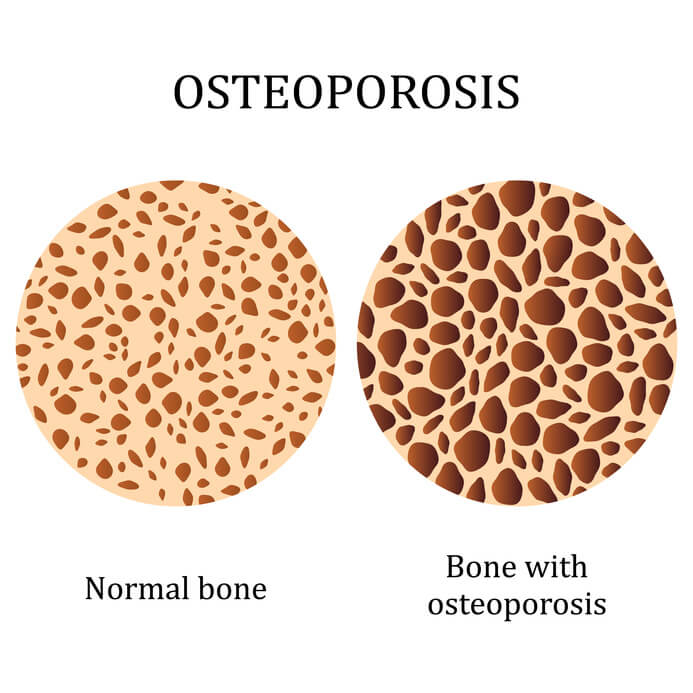
Just like putting money into a retirement account when you first begin working in your twenties produces profound dividends over time, regular deposits of calcium to the bone matrix during childhood up through your twenties can make or break you (literally) in advanced years. In order to create strong bones, the right ingredients are necessary. This includes calcium, vitamin D and regular physical activity. Sound familiar?
We should all eat healthily and exercise regularly, period.
These things are key ingredients during every stage of bone health; during the time of rapid bone formation (in childhood and adolescence), during the maintenance period (from the 30-s to mid-’50s) and with bone loss (with aging).
Here is the Recommended Dietary Allowance (RDA) for calcium:
| Age | Daily RDA (mg) | Practical Application |
| Adolescent girls | 1,300 | This is approximately 4 cups (measuring cup, not glasses of milk)of milk per day, or calcium equivalents. |
| Women 19-50 years | 1,000 | Approximately 3 cups/d |
| Women 51 & older | 1,200 | Approximately 4 cups/d |
| Women with bone loss (osteopenia) | 1,500 | Approximately 5 cups/d |
The body also needs vitamin D in order to absorb calcium. The RDA for vitamin D is 600 IU per day, however, 1000-2000 IU may be recommended for people with certain health conditions.
The best dietary sources of calcium are from dairy products such as milk (including fortified soy and almond milk), yogurt and cheese. Calcium is also found in dark green leafy vegetables, seafood, legumes, and tofu. The chart to the sideshows examples of how much calcium is found in popular foods. The United States Department of Agriculture also has a free Food Composition Database that can give you accurate information about all kinds of foods and nutrients. It can help you search to find which foods contain the most calcium or tell you the calcium content of foods you normally consume. Go to https://ndb.nal.usda.gov/ndb/
NATURAL SOURCES are better absorbed.
dairy products
MILK (1 cup) – 300 mg
fortified ALMOND or SOY MILK, ORANGE JUICE
YOGURT (1 cup) – 350 to 450
CHEESE STICK (1 oz.) – 225 mg
COTTAGE CHEESE (1 cup) – 140 mg
ICE CREAM (1/2 cup) – 110 mg
FROZEN YOGURT (1/2 cup) – 90 mg
others
TOFU (1/2 cup)- 250 mg
CANNED SALMON (3 oz.) – 180 mg
KALE (1 cup, chopped) – 100 mg
BROCCOLI (1 cup) – 180 mg
BREAD (1 slice, fortified) – 70 mg
NOTE: The amounts may vary slightly depending on the brand.
Supplementation may be necessary for people at risk of not getting adequate calcium. This includes:
- Vegans
- Those don’t like milk or have lactose intolerance
- People with digestive conditions causing malabsorption of nutrients (ie: uncontrolled celiac disease or colitis, certain types of bariatric surgery or those who consume large amounts of protein or sodium causing excess secretion of calcium through the urine)
- Smokers
- People who consume large amounts of caffeine or alcohol
- Those requiring long-term use of corticosteroid therapy
Sometimes, we erroneously think that “more” is better. You simply need ADEQUATE calcium consumption. Excess calcium may increase your risk for kidney stones and some studies show that calcium supplements may increase the risk of heart disease or prostate cancer. Research regarding these potential links is necessary and ongoing.
If you have questions about your risk for fracture, now or in the future,
please discuss this with your provider.
For more information, search bone health, osteoporosis or fractures on websites such as the National Osteoporosis Foundation or National Institutes of Health (NIH) or the Office on Women’s Health from the U.S. Department of Health and Human Services at womenshealth.gov
Childhood Nutrition – Some Specifics (Part 2 of 2)

This article is meant to provide some specific advice about childhood nutrition and feeding issues. Although various sources were used (see References), many of these ideas can be found in an excellent book titled “Food Fights,” which is recommended reading for all parents of young, and even not-so-young, children. Before getting to a potpourri of ideas, I’d like to mention the importance of making sure our sources of information in this arena are reliable.
“That’s not what I read on Facebook”
We’ve long been in the so-called “Information Age.” Unfortunately, this has become a problem in the sense that much of what we read on the internet has not been properly vetted, and may or may not be true. Some information is known to be false by those who post it and is intended to mislead, while other times people unknowingly post or “like” or “retweet” things that are false and misleading. That’s why some now refer to our time as the “Misinformation Age” or the “Disinformation Age.” Fun fact – the New Webster’s Dictionary word of the year for 2016 was “post-truth” – a sad commentary on the current state of affairs.
The subject of nutrition and healthy eating tends to particularly attract speculation, myth, misinformation, and outright falsehoods. The ideas I will present are well studied and evidence-based. While this is certainly not an exhaustive list, it is meant to provide some highlights to help us make changes that will positively impact our children’s health (and ours as well).
Remember to encourage intuitive eating
If you haven’t yet read part 1 of this article, posted earlier this month, please do so. Many of the “big picture” concepts are discussed there, and it’s important to keep those in mind as you read this installment. I’ll proceed in a somewhat age-based order, starting with infants.
Breast, bottle, cup – liquid nutrition for babies
It’s been well established that breast milk is best for babies in the first year of life. However, only a small minority of children have been offered only breast milk to drink by their first birthday. So while the goal is to get your baby as much breastmilk as possible, those who are formula-fed do just fine. Keep in mind, however, that it is easier to overfeed a bottle-fed baby, and formula-fed infants tend to have higher rates of overweight and obesity in childhood, although this is highly dependent on other factors as well.
Probably even more important is to remember that breast milk and formula are the only liquids infants need in the first year of life. No water or juice required. Water alone is largely unnecessary in the first year due to the fact that it’s easy to meet liquid intake requirements without it. I often refer to juice as “liquid candy” due to its high sugar content and limited nutritional value. If juice is to be given, only 100% fruit juice is acceptable, and it should be limited to 2-3 oz per day in this age group. Better still, use it as an occasional treat, or not at all.
It is recommended that babies start to learn how to drink from a cup starting at about 6 months of age. This can be from any of the various devices, like sippy cups, straws, and regular cups. Putting breast milk or formula in these is preferable over juice or water. This will aid in the transition away from the bottle between 12 and 15 months, and help our toddlers to not reject cow’s milk at a year because it’s in something other than their beloved bottle.
Can my baby have a protein shake?
While there’s no recommendation for babies to drink Muscle Milk, there is an increased emphasis on making sure our babies get enough protein. When babies are introduced to foods at 4-6 months of age, pureed meat should be on the menu, in addition to the cereal, fruits, and vegetables we all think of. Other good sources of protein should also be considered as our babies learn to eat by spoon.
Many parents ask questions about what their babies can and can’t eat, and our advice as pediatricians has evolved in this area. Currently, the restricted foods in the first year of life are honey and choking hazards. Also, babies are not to drink cow’s milk, but other dairy products, such as yogurt and cheese, are fine for most babies to eat. So the long lists of restricted foods have largely gone away. There’s even evidence that giving babies highly allergenic foods such as creamy peanut butter and scrambled eggs before 9 months of age may reduce the risk of allergy. Still, it’s most important to consider the nutritional value of the foods we offer most often.
Grazing vs. Dining
It’s important that around their first birthday, our toddlers make the transition from the grazing pattern of the first year to the meal based pattern which should persist from then on. We should try to feed these little mess makers in the high chair or booster seat for both meals and snacks. This typically helps us to offer healthier food choices, teaches that eating should happen as its own event and not while doing something else, and also limits the mess to a confined space. We should not allow our toddlers to carry around sippy cups, which provide a continuous infusion of liquid to both bathe the teeth and increase calories. It’s a good habit to offer both food and drink in the high chair or booster, and avoid routinely offering food in other settings (in the car, while watching TV, before bed, etc.).
“If you eat your [enter healthy food here] you’ll get a [enter unhealthy food here]!”
We’ve all done it. Whether it’s to encourage toilet use, incentivize completion of chores, or get your preschooler to finally eat broccoli, using food as a reward is almost epidemic in our culture. Even some experts have promoted this method of providing positive feedback (one M&M for going pee on the toilet and two for going poop). I have occasionally found myself suggesting similar reward systems to parents, but this is probably not the best idea for long term success. How many times have we heard someone say (or thought ourselves), “That piece of cake is my reward,” or, “I’ll celebrate by eating a tub of ice cream!” Food as a reward is pervasive, but not very healthy.
It’s better to use “the one bite rule” or “no thank you bites” to help children try new foods. And this should be done in a relatively low pressure, relaxed way. Studies have shown that when we make a big deal about our children eating or trying food, the natural reflex becomes one of caution on the part of the child. The child’s thought bubble might read, “If mom wants me to eat this so bad, it must be healthy, and healthy is gross!” Keep in mind that it may take 10-15 tries of a food before it is accepted, so don’t give up.
Milk is not the enemy
In some ways, it seems like there’s been an all-out assault on milk in recent years. It’s included in the lists of “foods to avoid” (usually from questionable sources) for everything from nasal congestion to allergy concerns to behavior problems. While some adults may have increased difficulty dealing with a lot of dairy as they get older, the same is typically not true for our children. For the vast majority of children, cow’s milk is helpful and healthful food. For children in the second year of life, whole milk is the recommended beverage and should be consumed at a rate of 16-24 oz per day (from a cup, not a bottle). After 2 years of age, the amount stays about the same, but the recommended type of milk becomes 2%, 1% or skim. There’s still some controversy about milk fat, with some finding that it’s beneficial and others not. More specific recommendations may be issued in the future. Bottom line – “Got milk?” is still a question worth asking.
Break the fast, every day
The benefits of eating a healthy breakfast have been well established. In many ways, it really is the most important meal of the day. Kids do better in school, adults perform better at work, and toddlers tend to be more manageable all day if a healthy, substantial breakfast is eaten. But many families struggle to make healthy eating part of the morning routine. As parents, we should set the tone in our families by providing a good breakfast for the kids, and also by eating a good breakfast ourselves on a daily basis. It’s good to consider protein sources in making our breakfast choices, and also make sure all food groups are well represented. This can prove challenging but will be well worth the effort as we make breakfast a priority in our homes.
Sugary beverages – “So yummy!” (but not so good)
There is a veritable flood of sugary drink varieties all around us. It’s no wonder they are so popular because they taste so good! The reason they taste good, however, is plain and simple… sugar. The latest dietary guidelines call for relatively modest amounts of simple sugars and added sugars in our daily diet. Just one soda, sports or energy drink, or serving of juice, will often exceed that recommendation. For 2-3 years olds, the recommended added sugar intake is 2-3 tsp per day. For adults, it’s only about 10 tsp daily. Coincidently, 10 tsp of sugar is the amount you’ll find in the average 12-ounce soda. For our kids (and us) milk and water are the best drinks around.
Hungry for a snack? Eat an apple!
There’s one suggested rule from which nearly all families will benefit if it is implemented by the whole family. I call it the “only-fruits-and-vegetables-as-snacks” rule. Rather than reaching for chips or candy or a million other packaged foods when we’re hungry between meals, we will be better off if we instead choose vegetables or fruits in virtually any form, with fresh being preferred. This does not include fruit snacks (not actually fruit), ketchup (no need to explain), or juice (already covered).
Families who decide to make this one of their guidelines will derive several benefits. It will be easier to achieve the 5-9 helpings of fruits and veggies recommended on a daily basis. Total calorie consumption will decrease significantly (without feeling hungry). Those calories consumed will be far healthier ones. And it becomes something family members can encourage each other to do, creating more family unity in purpose, and more purposeful eating as well.
Restrictive diets are, well… restrictive!
I’m a firm believer that (almost) all foods are fair game, but some should be consumed often and others only rarely. The “almost” is in there for things like deep-fried Twinkies and the like, which really should not be for human consumption. The fact is, any diet that calls for eating severely limited calories, or only very specific foods and food types are unsustainable and unlikely to lead to long term success. Starvation diets, in particular, are harmful because they typically result in loss of muscle mass and decreased basal metabolic rate (the number of calories we burn just by living). That will ultimately lead to weight gain, not sustainable weight loss.
Why do I mention this with regard to pediatric nutrition? Kids are fast learners. If we are always talking about and starting and stopping one diet after another, they will come to consider diet fads as normal eating patterns. But if the emphasis is on healthy food choices (eating more of the healthy foods and less of the unhealthy ones) this issue will be properly framed in the minds of our children.
If it’s in the house, somebody is going to eat it (probably the kids)
It’s important to carefully consider what we put in the cart when grocery shopping. And I think it’s good advice to not go to the grocery store when hungry. We may find that we are in the habit of buying foods that are “off-limits” to the kids, but okay for us as parents. We may need to rethink some of those choices and make healthier eating a family affair. Children are more likely to learn from what we do than what we say. If there’s an abundance of unhealthy food in the house, how can our children be expected to make healthy choices? On the other hand, if fresh fruits and vegetables, whole grains, dairy, and other healthy options dominate our refrigerator and pantry, this will become the norm for the whole family. If we want to make improving our children’s nutrition an attainable goal, it must be done as a family.
Ring the dinner bell!
Many organizations concerned with health and nutrition in recent years have called for a return to the family table. Families who regularly eat meals together have been shown to have lower rates of obesity, juvenile delinquency, and substance abuse in children and teens. This can be a difficult thing to achieve in our busy world but is well worth the effort in rearranging schedules and setting this expectation. Much more goes on at the table than eating, and this is felt to be part of the explanation for the many benefits of dining together. It’s also important to turn off the television and be present as a family whenever we’re able to break bread together. This allows the family to connect, and also allows parents to keep an eye on those who may be inclined to have too much of a good thing. The family can get up from the table together after everyone has eaten and clean up, reducing the chances of eating past full. There are many other benefits of making family meals the norm in our homes.
One thing at a time, but let’s get started!
These are only a small sampling of the many great ideas to be found in the references at the end of this article. But don’t get overwhelmed thinking we have to do everything at once. We tend to be far more effective if we focus our efforts more narrowly until we’ve achieved the desired goal. Then we can move on to the next. Little changes like these can make a tremendous difference over time. We can all improve our eating habits and overall nutrition. It is imperative that we do so. In this way, we might reverse the current trend toward overweight and obesity which threatens to affect our children’s generation more than any other in history. It can be done, and we have to start!
References
Food Fights (Second Edition) by Laura Jana, MD, FAAP, and Jennifer Shu, MD, FAAP
Center for Disease Control website (www.cdc.gov)
American Academy of Pediatrics website (www.aap.org)
2015-2020 Dietary Guidelines for Americans (https://health.gov/dietaryguidelines/2015)
8 To Live By (https://intermountainhealthcare.org/ext/Dcmnt?ncid=520289779)
Childhood Nutrition – A Healthy Start (Part 1 of 2)

March is National Nutrition Month in the United States. I realize that every month has a number of designations such as this, and most people pay little attention to them, myself included. However, as it relates to child health, I can think of few topics of greater importance. In fact, the way we eat as a nation is contributing to the fact that generational life expectancy is actually decreasing for the first time. This is a tragedy that can be avoided.
The Extent of the Problem
It’s no secret that we have a very serious problem in this country with overweight and obesity. Although awareness of the problem has increased, there has not been any significant improvement in national statistics. In fact, they continue to get worse.
It is estimated that 35 to 40 percent of adults in the United States are obese. Overweight accounts for another 30 to 35 percent. These rates represent a threefold increase since the 1970s, and the rates of childhood obesity parallel those of the adult population. About 20%of children in the U.S. are obese. That’s 1 out of every 5! The lifelong health consequences of this problem are well documented.
It’s impossible to fully cover such a broad topic in a single article (or a thousand-page book for that matter!), so I wanted to offer a few important ideas about helping our children develop and maintain healthy eating habits. This article will focus on the broad issue of intuitive eating and how to cultivate this in our children (and ourselves). The next will offer more specific advice.
But First, a Disclaimer
I will not address physical activity in this article, simply due to the fact that it is also an incredibly expansive topic. However, its absence does not suggest a lack of importance. Indeed, physical activity is a vitally important part of a healthy lifestyle and should not be overlooked. But it will have to be the subject of another article.
Intuitive Eating
Most of us are born with the natural instinct to eat when we’re hungry and stop when we’re full. But somewhere along the way many of us develop habits of eating which have nothing to do with the basic reason for food consumption. Add in access to bottles for too long, foods that are for pleasure only, treats given as a reward for good behavior, as well as many other contributing factors, and it’s easy to see how caloric excesses may arise.
The assault on our natural intuition toward eating starts early on. As a toddler or preschooler, most of us were told by proud parents, “You’re such a good girl (or boy) for finishing all of the food on your plate!” We beamed with pride as we learned that eating a lot of food pleased our parents and equated to us being “good.” How many of us have said similar things to our children?
It’s best if we try to leave value judgment out of eating. Instead of using the above phrases, or similar ones, with our children, we might consider saying things like; “It looks like you’re really hungry today. Would you like some more vegetables?” or, “I see that you don’t feel like eating right now. I’ll save your food for later when you’re hungry.” If we try to state our observations rather than make value judgments about our children’s eating, mealtime will be more enjoyable for all.
We should remember that one of our jobs as parents is to provide healthy foods for our children to eat, several times per day. The child will then decide what she eats and how much. This applies to the vast majority of children, with rare exceptions. I know that sounds too easy, but most of the complicating factors in this arena are created by us, the parents. Anxiety, feelings of rejection, power struggles, age-related behavioral issues, and many other factors, contribute to making the feeding relationship seem overly complex. We will do better if we try to leave our own emotions out of it, and encourage the feeding intuition our children come equipped with from the start.
The following topics are related to intuitive eating, including some exceptions to the rule:
“…but she doesn’t eat anything!”
On occasion, this can be a concern. But only when a child is not growing well and not gaining enough weight to stay consistent on the growth curve. Fortunately, this is typically not the case. The vast majority of children who go on hunger strike altogether (or hold out for only their favorite foods) are healthy and growing fine. Let’s face it… it doesn’t take many calories to keep a little 2-year-old going. Even older grade school kids don’t need as much as we might think. As I have told the parents of some overweight and obese children who expressed this concern, sometimes we have to adjust our expectations.
“He has what you might call a narrow diet”
If your child will eat only chicken nuggets and french fries, then it might be appropriate for those foods to disappear from the house (and the car, and grandma’s house, etc.) for a little while. Until he or she discovers that there are other edible substances available, there may be some whining and dramatic displays of deprivation, but survival is very likely (for all involved parties). Keep in mind that it may take up to a dozen tries before a new food is accepted, but if the child is hungry, that number is likely to decrease.
A tried and true technique on this front is the “one bite method” or the idea of “no thank you bites.” It’s essential that we respect the child’s tastes in this process. One bite means one bite. If they don’t like it or say, “No, thank you,” to more, then that’s it. Don’t try to cajole your child into eating “just 5 more bites” of something he obviously doesn’t like. It’s exceedingly rare for a child to be so picky and stubborn that he will actually stop growing, lose weight, or become malnourished. So once again, offer the healthy foods you would like your child to eat, and eventually things will work out.
The Forrest Gump Eater – “You never know what you’re gonna get”
Toddlers and preschoolers are often known for their inconsistency regarding different foods. As parents, this can drive us crazy! I remember saying to my sons when they would refuse to eat something they had devoured the day before, “But you just ate this yesterday! What’s going on?” We tend to worry about those “not hungry” days, and fear that our child will be unable to make it through the week. But as long as some “hungry” days are in the mix, and we take full advantage by allowing them to eat their fill on those days, everything should be okay. Inconsistency is aggravating, but I, for one, am still working to overcome this tendency in my parenting style. So we should probably cut our kids a little slack here, too.
“She’s a good little eater!”
On the other end of the spectrum is the child who never met a food she didn’t like, and lots of them. This brings delight to the parents of an eight-month-old… less so for those of an eight-year-old. It all depends on where the child is on the growth curve. There are some children who seem to be able to eat more than their parents and maintain an appropriate weight, but this is not generally the case. If the child is in the overweight or obese category, something has likely gone wrong with the eating intuition, and appropriate interventions should be made. It’s essential that a child who likes everything is offered healthy foods for both meals and snacks, and that portions are appropriate, both in size and number. “Only fruits and vegetables as snacks” is a good rule for these children (and basically everyone). There will be more specifics about this in the next article.
“Do as I say, not as I do” vs. “Let’s do this together!”
As with almost everything regarding our children’s behaviors, we should also consider our own. Here are a few potentially revealing questions we can ask ourselves about how well we are modeling the intuitive eating behaviors we encourage in our children:
Have I ever eaten a meal and then realized that I wasn’t hungry before I ate?
Have I bought into the “clean your plate” mentality?
Do I often eat until feeling overfull?
How many of my calories come from foods or drinks which offer no nutritional value?
How much time do I spend thinking about food?
Are there foods in my house that are off-limits to the children?
Do I follow the recommendations for fruits and vegetables and limit my sugar intake?
Some of the most powerful influences in our children’s lives are the things they see us do, much more so than what we say. This is rarely truer than in the realm of nutrition. Remember with regard to our food choices, if it’s in the house, it’s fair game, for everyone! If the eating expectations we have for our children are far afield from our own habits, our words will often fall on deaf ears. However, if we set specific goals as a family, and encourage each other along the way, there is a much greater likelihood of success.
[…to be continued later this month]
References:
Food Fights (Second Edition) by Laura Jana, MD, FAAP, and Jennifer Shu, MD, FAAP
Center for Disease Control website (www.cdc.gov)
American Academy of Pediatrics website (www.aap.org)
2015-2020 Dietary Guidelines for Americans (https://health.gov/dietaryguidelines/2015)
Choices That Impact Health

When making recommendations to patients about things they can do to improve their health I often share two things.
First, my favorite tool to help people get more active is a YouTube video I found a few years ago. It has nearly 5 million views and has helped a number of my patients get motivated to exercise regularly.
Just 20 minutes of exercise each day can have a big impact on your health. An additional 10 minutes can have an even greater impact.
Second, I recommend the book “Mindless Eating” by Brian Wansink. It presents simple doable strategies to change lifestyle habits that gradually promote weight loss. I like books on weight loss and fitness that are not trying to sell something. I have seen too many patients waste money on fad diets and multi-level marketing scams which trick them into cycles of starvation and over-eating. The best diets are those that are reasonable and sustainable… the best diets are lifestyle changes.
My current favorite lifestyle change is the “Mediterranean Diet”. With the exception of its focus on alcohol, that diet is clearly associated with healthier living. My family visited Italy in 2010 and we all noticed that while there certainly are some obese people there, there are many more overweight and out of shape people back in Utah. Interestingly, Utah is one of the healthier states in the US. Eating better, eating slower, taking a walk after dinner… these are all simple lifestyle changes that can get my family and my patients moving in the right direction.
I like to joke with patients that in Utah we don’t follow the Mediterranean Diet but rather the “Chuck-a-Rama” diet. Many of us with depression-era parents or grandparents subconsciously look for ways to get the most food for our dollar. I catch myself calculating this when we eat out; if I am at a restaurant I am trying to figure out how much food I can get for my 10 bucks. My eyes are drawn to the biggest entrée rather than being drawn to the BEST entree. Focusing on how to get the most calories for the dollar just adds inches to my waistline and removes years from my life. Instead of trying to figure out how to get the cheapest food, we should focus on how to cook, grow, and eat the BEST food.
May is the month to plant those tomatoes, to start planning trips to farmer’s markets. Food is relatively cheap now compared to what it was in previous generations. We can break free from that “Grape of Wrath” depression-era thinking, and change our food culture from a glorification of the all-you-can-eat buffet to a culture based on quality over quantity.
Utah is a state that has a healthy outdoor recreation culture. We need to build on that. Europeans visit Utah not for our amazing all-you-can-eat buffets, but for the hiking, biking, and skiing that we sometimes take for granted. I like to challenge my patients to focus date-night planning and weekend get-away planning not on what restaurant you will visit, but what mountain you will climb, what trail you will hike, what part of Utah you will discover.
If we get out, get moving, and focus on quality food and activities where we move instead of sit I am confident that we can turn around the epidemic of heart disease and diabetes that is overwhelming us.
Other resources
Eating For Two

I like to eat. But, I’m not eating for two. At the same time, I like to be healthy. So, how should my eating be different than someone eating for two?
- American diets don’t require vitamin supplements. But, pregnancy diets do. You should be on a Pre-natal vitamin that has at least 400 micrograms of folic acid or folate (up to 1 mg) several months before becoming pregnant. If you didn’t start using supplements at the beginning of your pregnancy, start as soon as possible. It is most important during the first three months. At the same time, taking too many vitamins can be a problem. A good Pre-natal vitamin includes Vitamin D, 400 IU. So, there is not a need to take extra. But, amounts over 4,000 IU can be dangerous for your baby. Large amounts of Vitamin A, greater than 10,000 Units can cause birth defects. You don’t need more than is in the Pre-natal Vitamin. Large amounts of Vitamin E may also cause heart problems in your fetus.
- I love Japanese food. Should you? Is it OK to eat fish while pregnant? Like most foods, the answer is ‘Yes and No.’ You should not eat fish that could have a lot of mercury in them: shark, swordfish, king mackerel, and tilefish. Mercury can affect the baby’s brain. Other types of fish and seafood like shrimp, canned light tuna, salmon, Pollock, and catfish are OK as long as it is not more than two times per week. Sushi that has been frozen and thawed should be OK. Alcohol while pregnant is never OK. I don’t EVER recommend alcohol with your fish—or any food.
- I love to sleep. But, I don’t always get enough. Is it OK to have caffeine while pregnant? The answer, once again, is ‘Yes and No.’ There is some concern that caffeine may contribute to an early miscarriage. But, there is no evidence that it causes a problem with the fetus. You should limit the caffeine to only 1-2 cups of caffeine-containing fluids. Energy drinks should not be consumed.
- I love milk. And, I love a good burger. Should I, if I am pregnant? (Not that I ever will be.) Unpasteurized milk or raw or undercooked meat could give you an infection that could cause a miscarriage. But, pasteurized milk and well-cooked meat are good sources of calcium and protein for you and your baby.
- I want to be healthy. And, so should you. Lots of fresh fruits, vegetables, and whole grains and sources of protein like well-cooked meat, the fish above, eggs, dried peas or beans, and nuts are good for you.
Even though you might be eating for two, you don’t need that much extra food. Will post again with weight recommendations for pregnancy. I love food. So, should you. Happy eating during your gestational period.