Years ago, I had a gentleman come into my office not feeling well. He couldn’t figure out what was going on, but he knew something was wrong and couldn’t explain his severe fatigue. After running some blood tests it was determined he had type 2 diabetes and his sugar levels were very elevated. Talking further with him, he mentioned he had been seeing another provider years ago and was told he had prediabetes but didn’t think he needed to do anything else about it. I was saddened to hear this and wondered if somehow the healthcare system had failed him. We discussed how it wasn’t all of a sudden that he now had type 2 diabetes but that generally type 2 diabetes slowly develops over the years. He expressed many concerns about how to treat his diabetes, whether to use medications or not and the cost of treatment. Slowly we developed a treatment plan and over the next couple of years, he was able to manage his diabetes to the point where he has been able to stop all his diabetes medications.
While this example is possible, it is generally an exception to the norm. Diabetes is complex and each person is unique in the approach, however, working with this gentleman I learned some valuable lessons that can be applied even if one does not have diabetes.
Diabetes needs to be looked at as a continuum. There are many risk factors for developing diabetes. Some of these risk factors such as diet, being overweight, and inactivity can be modified to delay or even prevent diabetes. Therefore, early detection and education can be very important. More importantly, developing healthy lifestyle choices early on can have a significant impact on one’s health.
Regular office visits with a healthcare provider are important. This gentleman expressed concerns over the cost of healthcare. We discussed how studies show that regular follow up visits can help decrease or even prevent complications from diabetes. He realized that by preventing the complications from occurring, he may in fact decrease costs, prevent future hospital stays, and see the improved overall quality of life that he desired.
This gentleman expressed the desire to limit medications, especially expensive ones. There are many wonderful diabetes medications, but some of them are very expensive. We discussed the importance of medications when treating diabetes, but set goals to work on other areas in addition to medications. We set goals for weight loss, increasing activity levels, and healthier nutrition choices. We found that creating small goals at first was easier for him to keep focus, find successes, and build upon.
He started simply by cutting out sugary drinks, eating smaller portion sizes, and limiting certain food choices to special occasions. We set small exercise goals such as standing more during the day and walking after eating dinner instead of sitting down to watch television.
I am passionate about helping to prevent illness whenever possible. In some situations, this may not be possible, but healthy lifestyle choices are important in the prevention of disease, especially diabetes.
I recently underwent orthopedic surgery from an injury sustained in my teenage years as a cheerleader. After years of discomfort, limping, limited range of motion, and several scopes I finally succumbed to the inevitable and had a partial knee replacement. I am very thankful for modern technology and medical interventions and treatments that make this possible but was quickly reminded of how much I appreciate crutches, the polar ice machine, and pain medication.
As a healthcare provider, I am acutely aware of the significant benefits that pain medications provide but also keenly understand that if these medications are used inappropriately, they can lead to catastrophic damage in one’s life; physically, mentally, emotionally, socially, and spiritually. As a patient, it is sometimes difficult to find a balance between using enough medication to alleviate the pain so physical therapy exercises can be done in order to get back to “normal” life versus using too much. One thing is for sure, if medications are used inappropriately, your life may never be “normal” again.
* It is important to note that neither medical marijuana nor CBD oil is indicated for this type of post-operative pain. This will be explained as you continue reading.
With so many people in this world suffering from physical discomforts, emotional pain, chronic insomnia, or personal dissatisfaction, it is no wonder that substances have been used to ease multiple kinds of pain. One particular substance, marijuana, has been considered illegal until recently. Few topics bring up stronger emotions than medical marijuana. It captures the attention of all; not only doctors and lawyers, researchers and scientists, public officials, and policymakers, but even the general population.
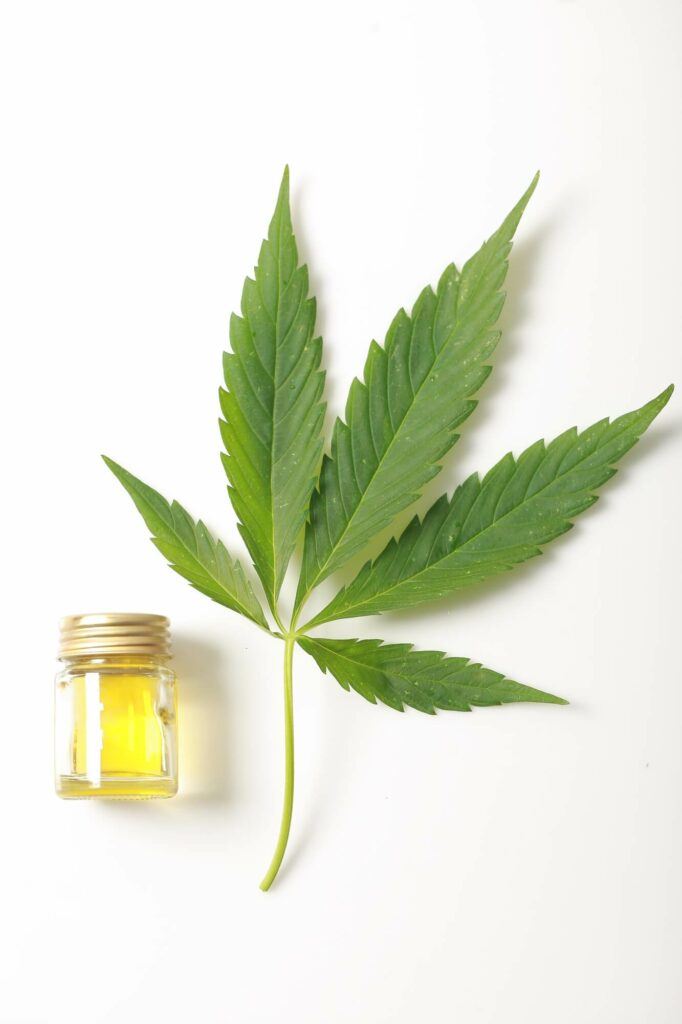
Many people have questions about marijuana and a couple of particular substances extracted from the plant, namely cannabidiol (CBD) and delta-9-tetrahydrocannabinol (THC). The purpose of this article is to briefly discuss some of the similarities and differences, indications for use, legality, and identify safety precautions by using any of these substances. Part I will talk about medical marijuana while part II will review CBD. THC has specific and limited medical indications and not the focus of these articles.
A BRIEF HISTORY
Variations of the cannabis plant have been around for thousands of years, with evidence of its existence found in a small village in China, dating back to approximately 8000 BCE. The Chinese emperor, Shen Nung, in 2737 BCE described the powerful impact it had on treating patients that were described to have inflammatory disorders (rheumatism, gout, and malaria). The psychoactive response was noted, but at the time it was felt that the benefits outweighed the risks. This ancient medicine gradually spread to India, Africa, and then Europe. In fact, during Colonial times in the United States, hemp was a major commercial crop in the South. It was mainly a source of fiber used for textiles at the time. It wasn’t until 1890, that cotton became the major cash crop of the South.
By 1850, the United States Pharmacopeia described the practice of using marijuana for labor pains, nausea, and rheumatism. Again, the intoxicating effects of the plant were noted among patients and caught the eye of the U.S. Federal Bureau of Narcotics in the 1930s. At that time, the addictive potential of marijuana frightened the government and parents alike. Marijuana became symbolically associated with those who rebelled against authority in the 1950’s and just 20 years later, was classified (alongside heroin and LSD) as a Schedule I drug, having no medicinal use and the highest potential for abuse.
With this colorful history and longevity of marijuana, it’s easy to see why medical marijuana in the 21st century creates all sorts of questions. Is it safe? Is it addictive? How do we keep it out of the hands of teenagers? Has it been proven to be effective? What conditions can it treat? In what form and what dose? Here are some main points to help improve understanding of medical marijuana, CBD, and what THC is.
MEDICAL MARIJUANA
What is it?
Traditionally, marijuana is smoked via hand-rolled cigarettes or pipes, can be vaped, or eaten in cookies or tea. Some users smoke or eat the concentrated resins or extracts, which contain higher amounts of marijuana’s active ingredients.
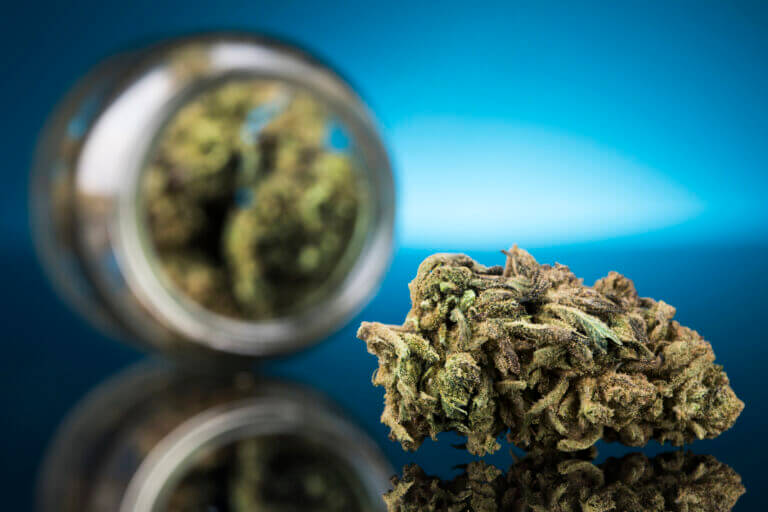
Marijuana contains more than 400 distinct chemicals that bind to various receptors throughout the body generating a multitude of effects. Marijuana has a combination of properties that decreases anxiety, produces a mild sedative effect, creates an expansion of consciousness, decreases the perception of pain, stimulates appetite, and creates a desire for more of the drug. Even though it is used to achieve feelings of happiness and relaxation, it may also cause anxiety or paranoia, forgetfulness, depression, scattered thought processes, and distortions in time. We have abundant research analyzing the components of tobacco smoke but minimal data on the composition of marijuana smoke. We know that tobacco smoke contains more than 4,000 chemicals, with at least 50 of these compounds known to cause cancer. Smoking marijuana generates more than 2,000 compounds. It’s logical that the smoke components between the two will have many similarities, but are likely to have some striking differences. Until more research is done, it should be assumed that smoking marijuana increases the risk of developing multiple types of cancer.
The medical cannabis program should be operational by March of 2020. It requires individuals seeking this treatment to apply for a medical cannabis card with their qualified medical provider (QMP) in the office through an electronic verification system. Qualified medical providers must complete certain education requirements in order to be allowed to prescribe medical cannabis. Providers are limited as to the number of patients they can have in the medical cannabis program and this form of treatment is only approved for specific conditions. Prescriptions must be filled at a central state pharmacy or a retail pharmacy that has applied for this privilege (the number of pharmacies allowed to apply is currently seven). Only certain dosages and devices will be available. Smoking and edibles are prohibited. The law limits who is allowed to possess or purchase medical cannabis (based on proximity to the pharmacy) and allows for a specific amount to be dispensed at one time.
What is it used for?
Since marijuana appears to impact almost every body system, it is used for a variety of conditions. It is typically used to help control chronic pain (although it is not strong enough for severe pain, ie: pain associated with kidney stones or post-operative). Marijuana appears to ease episodes of nerve pain associated with multiple sclerosis (MS), lessen tremors in Parkinson’s disease and may have potential benefits with people suffering from fibromyalgia, endometriosis, and interstitial cystitis. It has been used to manage nausea, weight loss, PTSD, glaucoma, irritable bowel syndrome, Crohn’s disease and wasting syndrome associated with HIV. Marketing claims in advertisements and on labels regarding its effectiveness should be viewed cautiously. Evidence of marijuana’s effectiveness in all these applications is waning.
Is it legal?
Medical marijuana is now legal in more than half the states throughout the country and in Washington DC. It is still illegal from the federal government’s perspective. It is important to note that compliance with the Utah Medical Cannabis Act may not protect patients from liability for violations under federal law or the laws of other states.
Is it safe?
Probably, as it has been used for thousands of years, but it also obviously has some side effects and downfalls that need to be understood. It does affect the perception of space and time. It causes a decline in cognition, a delayed response time, impairs memory, and the ability to plan, focus, and carry out multiple tasks. Marijuana negatively affects coordination, judgment, and reaction time. The exact form and dose that should be used and for what condition is still not clearly understood. When looking at the addictive and overdose potential compared to narcotics, it is safer than opiates.
Summary
Medical marijuana does have therapeutic benefits and may carry less risk than traditional medications currently used. Inherently, it has some negative effects also, and the risks and benefits will need to be discussed on an individual basis with your healthcare provider. It will be legal to use in Utah, when specific conditions are met by the Spring of 2020, but is still considered illegal by the federal government. There is still a lack of rigorous scientific testing and research is ongoing. Look for part II next week, to learn how CBD is related to marijuana and how it is used.
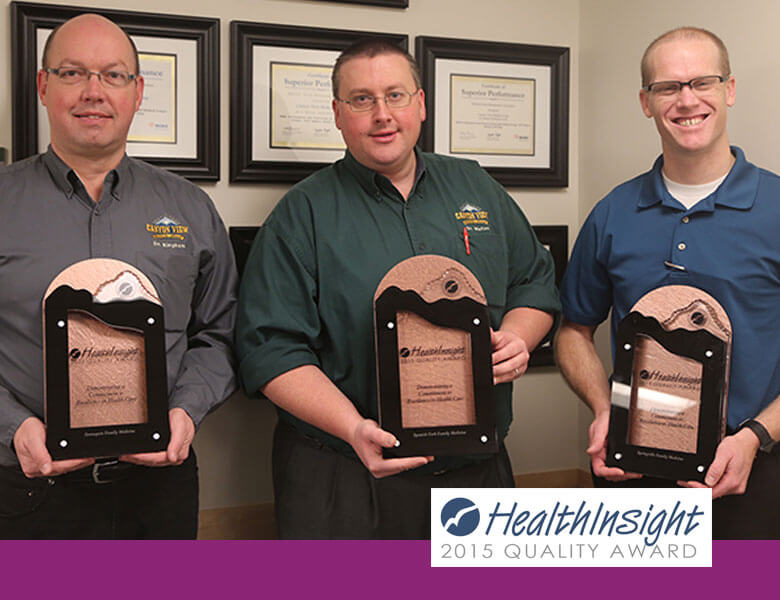
Canyon View Family Medicine has earned a 2015 quality recognition award from HealthInsight, a nonprofit, community-based healthcare organization. To qualify for the 2015 Physician Office HealthInsight Quality Award, applicants were required to meet the criteria of five components:
• Exemplary performance on nationally-recognized clinical quality measures
• Participation in data reporting
• Population management
• Patient engagement tools and strategies incorporated into care processes
• Innovation in care
Our family medicine group completed all the requirements and went even further by achieving additional quality measures beyond the 5 required for the award. Some of those measures included improving patient health as measured by Hemoglobin A1C, blood pressure, and antibiotic avoidance. As part of the Innovative care measure, the clinic participates in regular staff training from a registered diabetic educator or a registered respiratory therapist. The educators provide training to our staff for the purpose of helping our staff better understand disease states such as diabetes, asthma, and COPD. The award represents our providers and staff’s commitment to improving the health of our patients.
Pictured above from left to right are Jared Bingham, MD; Matthew Walton, DO; and Brayden McBride, MD