2020 is shaping up to be one crazy year. I am proud of our local community for staying strong in the face of so many diverse challenges. As the world’s craziness swirls around us, I believe it is essential to focus on things we can control. Remember to take good care of ourselves and take time to refresh and renew.
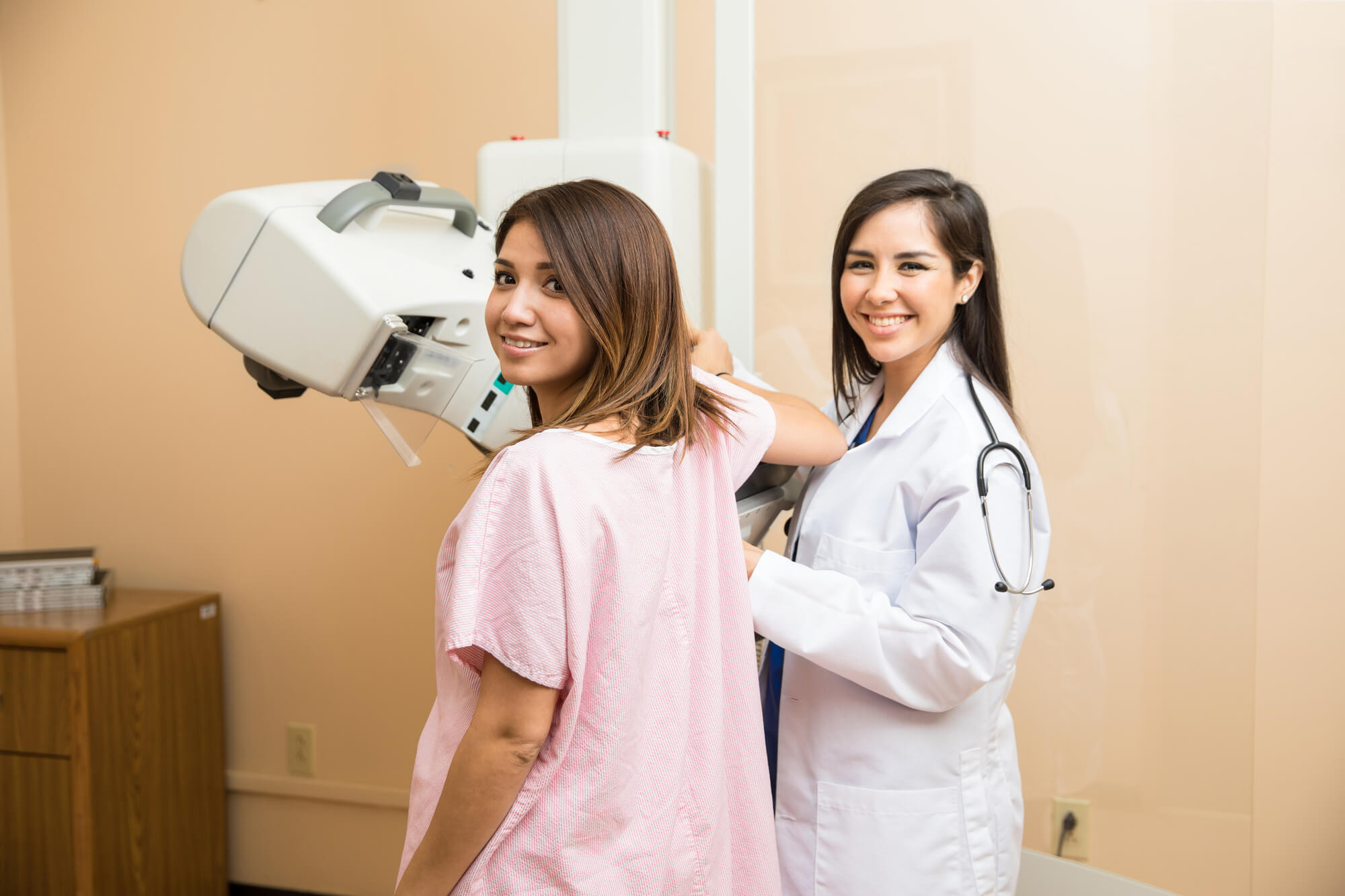
October is Breast Cancer Awareness Month. One critical way to take care of ourselves and focus on things we can control is to make sure we are up to date on our cancer screenings. For women over age 40, this includes getting regular mammograms done to screen for breast cancer.
As I discuss mammograms with my patients, I often hear variations of the following concerns:
“I am swamped and do not have time.”
You are busy. You have many demands on your time. Taking the time to take care of yourself helps keep you healthy and strong so you can stay on top of all the busy aspects of your life for many years into the future.
“I don’t want to know if I have cancer.”
Screening mammograms can find cancers 2-3 years before you or your healthcare provider would be able to feel the cancer lump. Those years make a big difference in improving your chance of cancer survival. Choosing to ignore cancer leads to a low probability of survival.
“I have been told mammograms cause more harm than good.”
Mammograms use low doses of radiation, similar to an x-ray. The amount of radiation in a mammogram is similar to the amount of radiation everyone is exposed to by living on earth for about seven weeks. There is no evidence that screening mammograms cause breast cancer. There is also no evidence that mammograms cause damage to breast tissue.
“I was told that mammograms do not save lives.”
Mammograms are the gold standard best tool we have to find breast cancer early and start treatment. Early breast cancer treatment is the best way to increase the chance of breast cancer survival. We know that screening mammograms reduce the risk of death from breast cancer at least 20%. More recent studies looking at the newer mammogram techniques show that the risk of death from breast cancer is reduced by more than 40% when women get screening mammograms.
I am well aware that there is a lot of misinformation around us. On any given day, your social media feed likely has a post from someone disparaging some healthcare system aspect. One frequent topic is to spread misinformation about mammograms. It is normal to wonder: What information can I trust? I cannot fight all the misinformation in the world that you may come across, but you can be confident in this time of uncertainty: Mammograms Save Lives. And they may save yours.
Here are links to reliable breast cancer information:
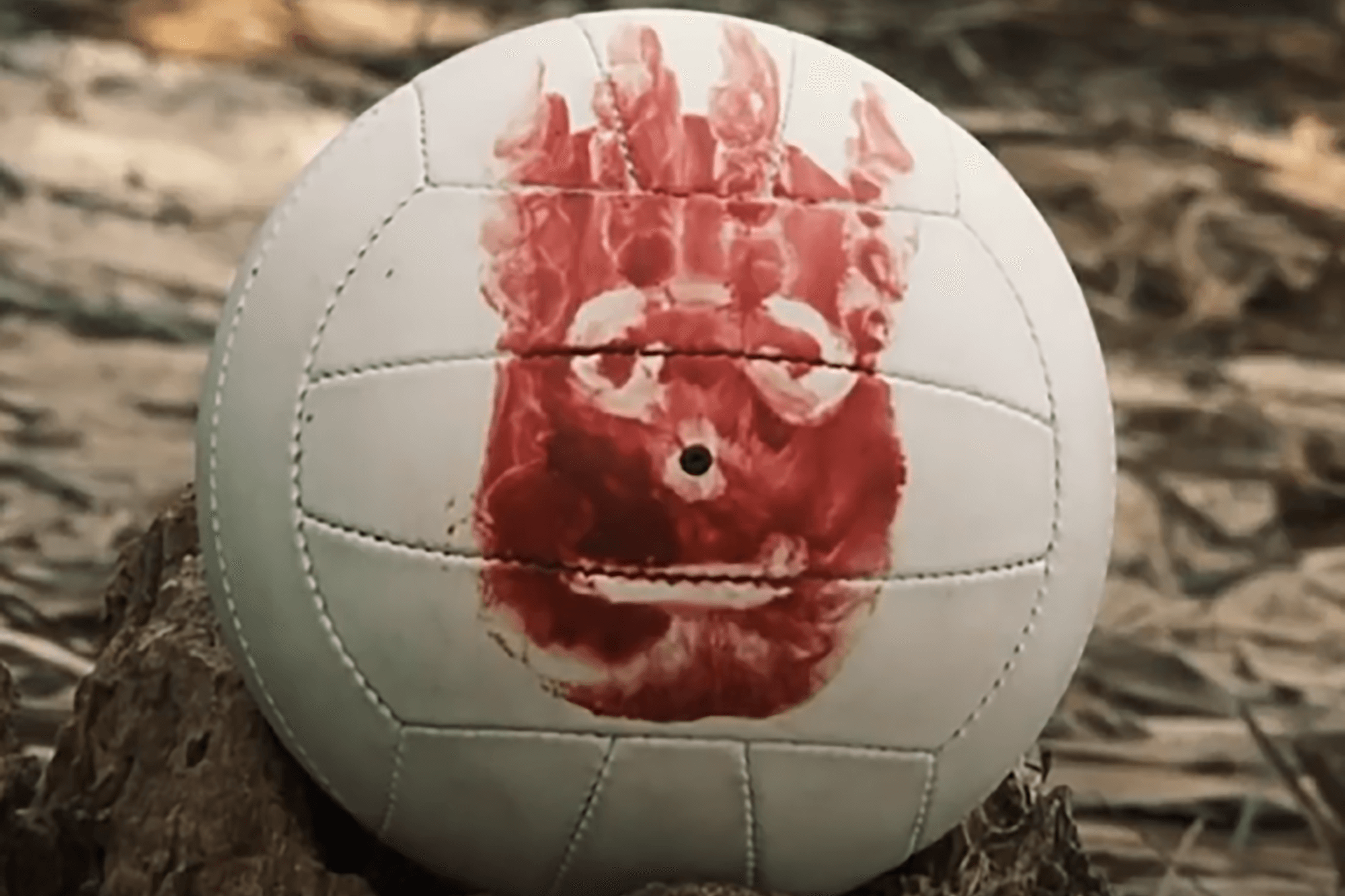
In the 2000 film Cast Away, the character Chuck, played by Tom Hanks, rushed to board a FedEx plane on Christmas Eve for a business trip. He kissed his love, Kelly, after exchanging gifts and headed to work, saying, “I’ll be right back.” His plane crashes somewhere in the Pacific Ocean, leaving him stranded and fighting for survival alone on a small island. First world comforts and busy schedules are pushed aside as necessities like food, water, and shelter become his main focus. Particular objects reminding him of his former life become instruments kept to desperately hold onto his sanity. Among them is a pocket watch with a picture of his girlfriend, Kelly, and a volleyball Chuck named “Wilson.”
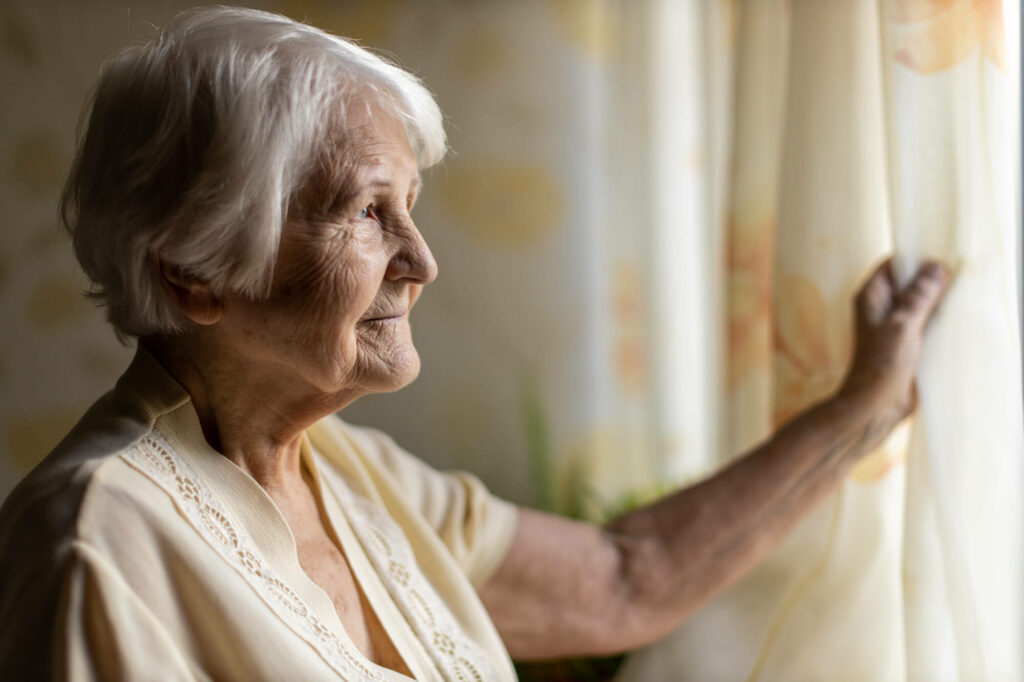
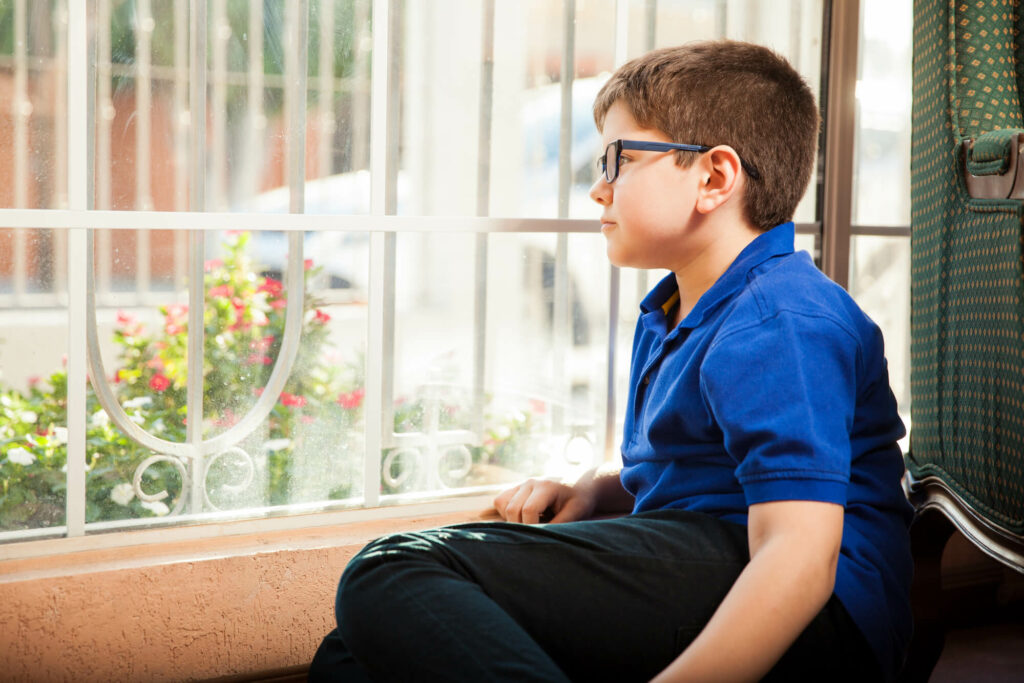
This year, an extremely dangerous and contagious virus spread quickly worldwide, creating a global pandemic upending the economy of nearly every country. Much like in Cast Away, many in this country and others have been placed in a fight for survival. Basic needs have been pushed to the forefront as jobs have been lost or put on hold, and food or toiletries became more difficult to purchase at the grocery store. In an effort to contain or stop the virus, countries struggled with lockdowns and business closings. Hospitals and long-term care facilities adopted policies to keep their patients and residents safe such as visitor restrictions. Due to the effects the virus has on the elderly or medically at-risk persons, isolation quickly became the reality of so many of our most vulnerable. The very thing that, as humans, we desire and need has become dangerous – close physical contact and human interaction.
According to a study at Brigham Young University, a lack of social connection heightens health risks as much as smoking or having an alcohol use disorder. Loneliness and social isolation can be twice as harmful to physical and mental health as obesity (Perspectives on Psychological Science, Vol. 10, No. 2, 2015).
I have seen many friends and family members struggle with isolation and accompanying loneliness. My heart goes out to our family friend, who is hospitalized with severe and life-threatening conditions. She has been suffering her treatments alone in her hospital room without the presence of her husband or small children for months as their physical contact could prove to be too dangerous for her. I often think about and worry over patients who have closed themselves in their homes over the last few months, fearful of catching the virus.
Just as Chuck realized that he needed to get off that island to survive, those who are suffering in isolation need to escape their island. There are many safe ways to do this. The following are some common coping strategies that many healthcare workers and patients use across the country:
Physical activity/exercise
Counseling
Yoga
Religious or spiritual practices
Meditation
Virtual support groups
In Utah, we are fortunate to have many different outdoor activities available. I encourage you to explore the many miles of walking and hiking trails, ride a bike with your spouse or partner, or spend time at the lake fishing. Getting out of the house, exercising, and breathing some fresh air is vital to so many aspects of human health, and it can be done safely without risk of contracting COVID if current guidelines are followed. Recently our neighborhood held an event where our children drew some sidewalk chalk artwork. We then walked around and visited with one another, keeping an appropriate distance, and saw what others drew on their sidewalk. I thought this was an excellent idea to maintain current safety guidelines for disease prevention but still get some social interaction with neighbors that may have been hiding out fighting loneliness and isolation.
If you think you need to speak to a counselor or provider to help you through this time, please schedule an appointment. The important thing is to get out, build your raft, get off your island, and not lose hope.
“I know what I have to do now. I got to keep breathing because tomorrow the sun will rise. Who knows what the tide could bring?” Chuck Noland (Cast Away)
Usually, I would be writing a typical post about kids returning to school and the advice we might have in helping them transition back to school after a fun-filled summer. I would typically tell you to consider getting the kids a check-up, updating their immunizations, beginning to transition them back into a solid bedtime routine, and cutting back on electronic games and watching TV. I would generally encourage healthy meals and good hydration as we prepare the kids and teens to return to school.
Don’t get me wrong. These are all good things and great advice. And if you search for suitable resources like healthychildren.org, the American Academy of Pediatrics Parenting Website, and our canyonviewmedical.com website, you can find great information on any of these topics.
But again, this year has been anything but ordinary.
COVID-19 has taken us all on a wild ride. As health care providers, we try hard to be ready for the unexpected and prepared to help reduce suffering, provide information, offer emotional comfort, and help guide our community. Despite this, none of us were quite ready for a pandemic, even though we have studied them for years. Back at the beginning of 2020, just like families at home, we frantically tried to keep up with the constant changes and rapidly consumed all the information we could gather about this disease. We made policies that we then had to adjust every 2-3 days as new information and guidelines came forward.
At night, we went through the same struggles and constant changes with our families – worries about our kids, our parents, our community, our personal health risks, and our jobs. It seemed like we were all a little discombobulated like we were spinning in circles while trying our best to continue walking in a straight line. Some days were better than others. And some days, anxiety was the prevailing emotion.
Unfortunately, living life and its constant changes have never really been good at soothing our anxieties. Life has always been unpredictable. Even before COVID-19, every day, the algorithm of life was uncontrollable. COVID-19 just brought the awareness of that unpredictability to all of us, almost universally, at the same time. We all collectively gasped, twisted our hands, and started to panic. We have had nearly six months to marinate in this worry, and now we are trying to pull ourselves together and help our kids go back to school.
School is so very important. Huge actually. It needs to be right, feel right, and do right. And starting the school year, in average years, is stressful. We are worried about getting the right teacher, the right classroom, the right clothes, and shoes. We still have all of these worries, just piled on top of the COVID ones. Somehow we need to tame our anxieties and be successful this year.
So my advice today stems from a joke – a cartoon I once saw.
A boss, sick with concern, asks his employee, “How will we achieve our goals this year?”The employee flippantly responds, “Set different goals.”
I recognize that we cannot entirely shift our worries and anxiety this year; it might not be wise to try. This year, I am trying to teach myself and my kids to acknowledge the unwanted companion named “fear,” “worry,” or “anxiety,” and then to adjust and modify our typical expectations so that we can better see our successes and build upon them.
Healthychildren.org recommends, “As kids return to school, it’s important to keep an eye out for stress and anxiety in your child that could be a result of these changes. This can take shape in many different ways, including an increase in physical symptoms, changes in sleep patterns, continually seeking reassurance despite already receiving an answer, and acting out.”
I would add that these are great warning signs for us as adults also.
The advice goes on, “It is important that adults manage their own emotions regarding the pandemic and remain calm, listen to their children’s concerns, speak kindly, and reassure them.”
When asked about the kids managing masks and the stresses of returning to school, I recently heard a pediatrician say something like, “The kids will do as well as their parents tell them they can. This has always been true.” Adults and parents managing their own emotions and remaining calm are a powerful influence on their kids.
The article continues, “To help support your child’s mental health about the changes at school as a result of COVID-19, parents should:
Encourage conversation about the new protocols and safety rules
Acknowledge and validate the child’s feelings if they are scared or anxious
Reassure the child that a lot of adults are working hard to keep everyone safe.”
It is important to remember that if your child’s anxious behaviors persist despite the above interventions, contact a trusted health care provider, mental health provider, or school counselor.
You can access a lot of great information on how to talk to your kids about mask-wearing, myth busters statements about masks, and why the American Academy of Pediatrics, “Strongly advocates that all policy considerations for the coming school year should start with a goal of having students physically present in school.”, on their education site at Healthychildren.org
So as the fall season blows in, and recess bells and school traffic zones come as a sliver of a return to normality, we will try to breathe deeply and slowly.
We will remind ourselves that the way we view things and talk about them significantly impacts our moods and our children’s moods.
We will remember that there is hope in the idea that having to rethink everything might bring about beautiful changes we didn’t even see that we needed.
We will rejoice in the idea that this group of kids and teens will be more flexible and resilient than they otherwise might have been and that they might value the “essential workers” with greater esteem than the generations before them.
We hope the kids and teens will become the wise leaders of the future because of the many lessons they have learned during the pandemic – struggles, anxieties, and resilience.
Almost twenty-one years ago, one of my favorite patients asked me about screening for colon cancer. He was a true cowboy. He grew up herding sheep in the Wasatch Mountains, and even though he was in his late 70’s, he was still regularly herding livestock on horseback. Talking about and potentially examining his colon wasn’t something for which he was looking forward. As a World War II veteran, when he was told that he was overdue for colon cancer screening, he looked like I was asking him to hit the beach again somewhere in the South Pacific. But he “cowboyed up” and agreed to be screened. When the results came back, we had found a small mass that turned out to be early cancer. After removing the mass, he lived another 18 years, cancer-free, spending time with his family, and having adventures in the mountains he loved. He worked on his horse well into his 90’s. That is real, non-Hollywood, Utah True Grit.
Colon cancer meets all criteria for cancer screening. It grows slowly and doesn’t spread until later in the disease. Meaning, there is a long period during which it can be detected and easily cured.
There are many options for screening. Most of my patients choose between a full colonoscopy, yearly stool testing, or newer stool-based tests every few years. Stool-based tests do not require any cleansing of the colon (also called “prep”), but if the test result is positive, a colonoscopy to examine the colon for masses or polyps is required.
During a colonoscopy, the colon is inflated with air and carefully examined. The removal of early cancers or pre-cancerous polyps found during the colonoscopy will often prevent a need for subsequent surgery. Patients are sedated during colonoscopies to lessen any discomfort. A “Virtual Colonoscopy” is also an option, but it still requires both the uncomfortable colon cleansing prep and the colon’s painful inflation. The “Virtual Colonoscopy” uses a CT x-ray machine to examine the inflated colon, but is performed without sedation and hasn’t been very popular.
Most of my patients who choose a colonoscopy describe the preparation as unpleasant, but the procedure itself is usually “no big deal.” I had mine at age 50 on a Monday morning three years ago. The evening before was honestly a bit eventful, but I honestly don’t remember anything other than counting backward from 10. I was back in the clinic, seeing patients after lunch.
If your colonoscopy is healthy, it only needs to be repeated every ten years. I was lucky and won’t have to do it again until 2027. Some of my patients also opt for a colonoscopy starting at age 50; others start stool-based testing at that same age. If you have a family history of colon cancer at a young age or a family history of many polyps, we should talk about possibly starting screening at an earlier age.
I have spent a few nights volunteering at the Fiesta Days Rodeo in Spanish Fork. My job was to ask the cowboys as they were limping back to the stands if they needed any help. Often, those cowboys were clearly injured, but would almost always shake their heads and mutter, “I’m OK, Doc.” They are some of the toughest people I know. My Utah cowboy patient taught me that tough guys on horses have the True Grit to get screened, and this screening can literally save their lives.
Colon cancer is one of the leading causes of death, but it doesn’t have to be. Be tough. Be as tough as a real Utah Cowboy or Utah Cowgirl. If you are due, get screened.
Whenever I am asked to help someone start a running program or train for their first race, I like to share one of my favorite anecdotal tales:
“Every morning in Africa a gazelle wakes up and knows that it must run faster than the fastest lion or it will be killed. Every morning a lion wakes up and knows that it must run faster than the slowest gazelle or it will starve to death. It doesn’t matter whether you are the lion or the gazelle when the sun comes up, you better start running.”
Let’s be honest…running isn’t always fun. I am a runner, and truth told, I can remember a time or two when it was downright miserable. However, there is something about waking early when most of the world is asleep, lacing up my shoes in time to feel the cool morning air, and hearing the sounds of nature coming to life around me. My love for running wasn’t immediate and I certainly wasn’t good at running the day I started. For most people, it takes time and effort to reap the benefits running can provide. I have spent many years figuring out what keeps me motivated while trying to find a balance in how hard I can push my body without injury. What works for me, may not work for you. Maybe running is not your thing. No worries, you are not alone.
Whether it be running, walking, swimming, cycling, or any other moderate-intensity workout, according to the CDC, nearly 80% of Americans do not meet the goal of 150 minutes of aerobic exercise per week.
A recent poll asked Americans why they did not exercise. Surprisingly, “I don’t like to exercise” came in behind “I don’t have time” and “I’m too tired.” Albeit, “I’d rather watch Netflix,” was not too far down the list.
It’s not that we all haven’t heard we need to exercise to be healthy, but it appears exercise is not on the top of most of our to-do lists. If you find yourself somewhere in the “I hate exercise and I’d rather watch Netflix category,” here are a few things that might help:
What’s your thing?
Running happens to be my thing, but running might not be your thing. What is your thing? Finding an exercise that you enjoy is key.
Did you like to Roger Rabbit, do the Twist, or dance the Samba back in the day? Try Zumba.
Were you on the swim team in high school, need a low impact sport, or just like doing your hair twice daily? Maybe aqua aerobics, or better yet aqua Zumba may be your jam.
Perhaps having an outfit (you call a kit) that looks like you are a member of a racing team, sounds like fun–try cycling.
Are you motivated by competition? Try signing up for a 5K or a mini-triathlon.
Schedule it.
Make exercise a priority. Make it part of your everyday routine. It can take a while for a new behavior to become a habit, so give yourself time to get into a regular routine. One way is to try to be active around the same time each day. Another way is to schedule a weekly class or schedule a repeating exercise date with your friends. You are much less likely to cancel on a friend than to cancel on yourself. Once it becomes a habit, you will miss it when you are unable to exercise. Jim Ryun, the first high school athlete to run a sub-4:00 mile, said, “Motivation is what gets you started. Habit is what keeps you going.”
Never give up. Keep trying.
If you tried running, and you really did hate it, then try something else. If you have had an injury in the past, and are afraid of being hurt again, try swimming, walking, or the elliptical. Just because you haven’t liked or done well with keeping an exercise routine in the past, does not mean it will not stick this time.
Thomas Edison said, “Our greatest weakness lies in giving up. The most certain way to succeed is always to try just one more time.”
If you miss a day or a workout, don’t worry; hit it again the next day. If what you are doing isn’t working for you, try a different workout, try a different time of day, or try finding new friends.
If 150 minutes of exercise a week sounds overwhelming in the beginning, break it up. Try 30 minutes, five days a week, or 50 minutes three days a week. It also works to do ten minutes here and ten minutes there, just make it count, it all adds up.
The benefits of exercise include stress reduction, better sleep, improved mood, and sharpened focus. These benefits are almost immediate and can be felt right away. The longer-term benefits of reducing your risk for type II diabetes and some types of cancer, controlling your blood pressure, and maintaining a healthy weight will over time, help you to live a longer, healthier life.
The key to establishing and reaping the rewards of exercise is finding that thing you enjoy (or at least don’t hate), doing it with people you like, making it a habit, never giving up, and remembering, someone, somewhere, once said, “No matter how slow you go, you’re still lapping everyone on the couch.”
Can’t enjoy that apple, peach, or cherry? Many people with a condition called Oral Allergy Syndrome (OAS) can experience an itchy mouth/throat, mouth swelling, and rarely throat closing off when eating certain fruits, vegetables, or nuts. OAS is a type of food allergy that develops in adults with seasonal pollen allergies.
When a person has seasonal allergies to some pollens in the air, such as birch, ragweed, mugwort, or grass, they develop antibodies for this pollen. This plant pollen is genetically similar to certain fruits, vegetables, or nuts that the person may eat.
BIRCH
RAGWEED
MUGWORT
The allergic reactions people with OAS experience are generally mild, and if bothersome enough, do respond to antihistamines like Benadryl or Allegra. Rarely the symptoms can be severe, even life-threatening, and require an EpiPen to reverse the swelling. When these reactions occur, the person often thinks they are allergic to the food they ate, and sometimes this is the case. But usually, the allergy testing done for the suspected fruit/vegetables comes back negative. Even though there is a negative test result, the antibodies to the pollen are cross-reacting with other structurally similar proteins in the food and then triggering the swelling/itching reaction.
Avoidance of the fruit/vegetable/nut is usually the only treatment. Sometimes, if the reaction is mild, taking an antihistamine medicine before eating can help. Allergy shots or allergy drops under the tongue, known as immunotherapy, can also work. With immunotherapy, the patient receives small doses of the pollen that causes their allergy. The low doses help train their immune system to tolerate the pollen without getting allergy symptoms. This tolerance carries over to the food the person reacted to in the past so that they can eat that food without getting throat/mouth swelling. Then you can enjoy that apple, peach, or cherry.
If you are interested in getting allergy testing, beginning immunotherapy, or would like to discuss your allergy symptoms more with a physician, please call our Canyon View Family Medicine office in Spanish Fork at 801-798-7301, and schedule an appointment with Dr. David Beckstead.
Life as we knew it has changed. Life as we know it is fleeting. Life in the future is unknown.
Social distancing, including no school, no church, no movies, no NBA basketball, no March Madness, is changing our lives. March Madness has taken on a new meaning. How do we preserve our mental health during this time of uncertainty?
While there are many things we can’t do during this time of the coronavirus pandemic, there are many things we should do to maintain our physical and emotional health. And, they are things we can continue to do, no matter the circumstances, which will stabilize our mind and give us the resilience we need to succeed.
Exercise –
Exercise is the great medicine of all ages and for all ages. You don’t need a gym to exercise. You don’t need a Technogym, a Diskus Dumbbell set, a Lova Kettlebell Rack or any other expensive piece of equipment to get the benefit of exercise. You just need to move. Social distancing doesn’t mean you can’t walk on the sidewalk. It doesn’t mean you can’t run at the park. It doesn’t mean you can’t ride a bike. You can and should do this. Not only will the exercise strengthen your physical self, but it will also release chemicals in the brain that will calm your emotional self. Don’t let a day go by without exercising. A rule of thumb for adults: Get your heart rate up to 180, minus your age. You will feel better.
Sunshine –
Sunshine, particularly the spring and summer sunshine, will also allow your brain to produce chemicals that will give you a positive outlook on life. Take the time to go outside. If you are laid off; if you are home from school; if you are working from home and need a break, or if you are still on the job, go outside for ten to fifteen-minute breaks. Soak in the sunshine.
Meditate –
(Mindfulness—not ruminate) Taking time to refocus and slow down the bodily processes will allow the stress hormones to dissipate at that moment and the effects will last over the next several hours. Most of these involve breathing techniques that are used to accomplish this. There are multiple apps that will guide you through this process. Calm, StressFree by the Cleveland Clinic, Aura, Stop, Breathe & Think, and Insight Timer are examples of these types of mindfulness apps. Yoga, religious worship, and reading are other such examples.
Regular Schedule –
Keeping a routine or regular schedule allows our bodies to find a rhythm that can coincide with our diurnal cycles. Sleep schedule and its resultant adequate sleep are very important. Establish a regular bedtime and a regular get-out-of-bed time. Make sure you are getting at least seven hours of sleep. You will feel better. Not only do adults benefit from a regular schedule, but also children find normalcy through a regular schedule, particularly now that they are home, trying to navigate how to accomplish online school. Try to schedule breaks to get up and move around at least every 50 minutes. This is important for the whole family.
Healthy Eating –
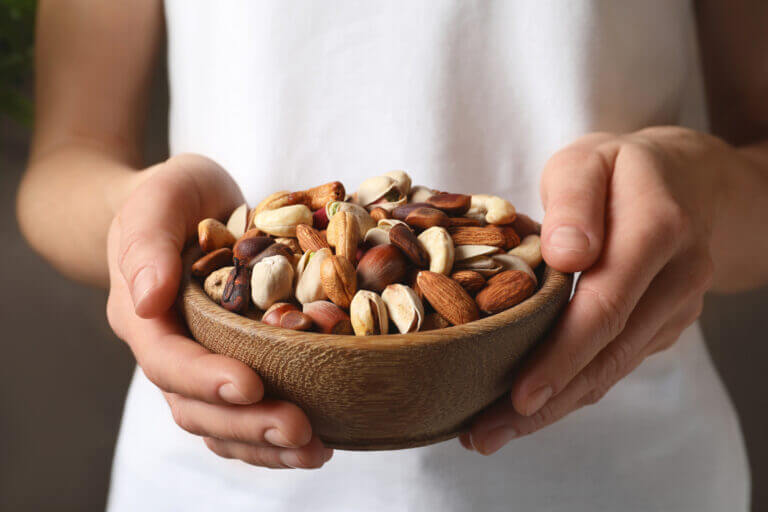
Fruits, vegetables, nuts, and grains. Get plenty of these foods. They also help regulate your bodily functions. Forget the soda. It may satisfy for the moment, but it will not give stamina like good foods.
Life as we knew it has changed. But life has always been changing. And, it will continue to change. We can find stability during change with good physical and mental habits. We can build resilience. In addition, we remain available to assist our patients with questions about their health and their current medical situations. While we may keep our distance, we will not be distant. Together we can find sanity during this March madness.
February is appropriately named Heart Health Month. I often associate this month with Valentine’s and thoughts of love toward my wife and family. What better way to show your love for those closest to you than to do things to stay healthy?
Did you know that the number one cause of death in the United States is heart disease? What is your personal risk for heart attack? You can find out how likely you are to have a heart attack in the next 10 years by going to http://www.cvriskcalculator.com/ with these three numbers: 1) your total cholesterol, 2) your good HDL cholesterol, and 3) your blood pressure. With this information, you can easily do the calculation yourself. If you don’t know these numbers and have had these tests done, you are able to access your results via your patient portal. If you don’t remember how to access your patient portal, call our office. We can help to get you access or give you results from a previous test. If you haven’t had these tests recently, visit your doctor right away to get tested.
The recommended goal is to have a risk factor under 7.5%. If you have a percentage above that, it is recommended that you intervene with medication and/or changes in lifestyle and diet.
Here are ways to reduce your risk of a heart attack:
Controlling blood pressure: The goal is to be under 140/90. Controlling blood pressure is a great way to prevent heart attacks and strokes.
Control your cholesterol: Finding out what your cholesterol numbers are is the first step. The next thing is to act on those numbers.
Don’t smoke: Smoking dramatically increases your risk for heart attack and stroke. Smoking is also a leading cause of cancer.
Diabetes: Controlling weight and increasing exercise are the best ways to prevent diabetes. Diabetes doubles your risk for heart attack, and experts recommend that everyone that has diabetes be on a statin.
Exercise regularly: The goal is to have at least 150 minutes of exercise each week. Not only do you reduce your risk of heart attack and stroke, but you also improve your physical and mental well-being.
Other general ways to improve your health include:
Adequate sleep: The recommended amount is 7-9 hours per night.
Don’t smoke: If you want to stop smoking, the state of Utah provides a free cessation program with counseling. You can reach them at 1-800-Quit-Now.
Manage stress: Stress is linked to heart disease because it raises your blood pressure. Stress can even be a “trigger” to heart attacks. Positive ways to manage stress can be exercising, journaling, meditating, drawing, and listening to music. Find something you enjoy that brings you peace and stick with that!
Have a healthy diet: What we put in our bodies has a major effect on our heart health. Try to eat plenty of fresh fruits, vegetables, whole grains, limit alcohol, and drink plenty of water. Keeping processed foods to a minimum will make your heart happier in the long run.
Maintain a healthy weight: Being overweight or obese can increase your risk for heart disease because of other heart-related factors like high blood pressure, diabetes, and high cholesterol. Implementing a healthy diet with a moderate exercise schedule can greatly reduce your risk of becoming overweight or obese. Try to have a body mass index between 20 to 25. If you are curious as to what your BMI is, click on the link for a BMI calculator: https://www.nhlbi.nih.gov/health/educational/lose_wt/BMI/bmicalc.htm
During February show your love for your family and yourself by keeping “heart-healthy.”
There are fewer preventative visits a woman detests more than the dreaded Pap smear (a close second is most likely a mammogram, and third would likely be that “puff of air” into your eyes). So, you are in good company when you groan after remembering today is “that wellness visit.” With that said, let’s discuss why we put you through this emotional and physical discomfort.
First, we want to catch any concerns early. Generally, it is easier to treat illness in the early stages, instead of waiting until it is widespread. Some of you may remember when it was recommended that we did annual Pap smears. If you remember those, you are probably wondering if my previous statement is contradictory to our screenings. Surprisingly, it is not. When we did yearly Pap smears, we found we did a lot of unnecessary testing for false positives. (That means you test positive for something concerning, but upon further examination, we find out it was nothing.) Sometimes the body can clear abnormal cells and viruses when given time, hence the birth of our newer guidelines.
Now, what are we looking for with Pap smears? Besides being able to literally look for any abnormalities, we take samples of cells from the cervix looking for two major things. First, abnormal cells (aka cancer). Like I said, some cells we just monitor. With these results, we may do nothing. We may choose to repeat the test in one year to monitor if the body has cleared these out without intervention, or we may need to do further testing. Your provider will be able to explain why they go in one direction or the other. Second, we are also looking for HPV (Human Papillomavirus). HPV has several different strains, but there are some linked to cervical cancer. If you test positive for high-risk HPV, most likely, we will encourage further testing. Again, let’s catch and treat it early.
Finally, what are the guidelines? For normal Pap smears, women between 21-30 years old are recommended to have a Pap smear every three years, despite what age they became sexually active. For women who are in a committed, monogamous relationship, and have low-risk factors, we recommend a Pap smear every three to five years. For those 30-65, we recommend having a PAP/HPV test every five years.
Just remember, every woman dreads “Pap Smear Day.” However, no one ever regrets catching and treating problems early.