Should My Child Get The COVID 19 Vaccination?

Vaccinations for COVID 19 have definitely been the topic of many heated discussions this past year. I hope to provide professional information to help our patient family make the decision whether or not to vaccinate their child against COVID 19.

What vaccines are available?

At the time of writing, the Pfizer-BioNTech COVID-19 vaccine was the only available vaccine with emergency authorization for use from the Food and Drug Administration (FDA) for children ages 12-17 to prevent the spread of COVID-19 in the United States. The Moderna COVID-19 vaccine was recently given emergency authorization for use in children ages 12-17 in the European Union (EU) by the European Medicines Agency and may soon be available in this country.  Full FDA approval for these vaccines are still pending.

What are the health risks of not vaccinating my child?

According to the American Academy of Pediatrics (AAP), the percentage of new pediatric cases of COVID-19 has been increasing when compared to new adult cases. In the month of April 2021, approximately 70,000 new pediatric cases were reported weekly in the United States, accounting for 22.4% of all new cases. (1)  Since the onset of COVID-19 there have been nearly 4 million US cases of COVID-19 in children, with up to 2% of those resulting in hospitalization. Some conditions requiring hospitalization were acute respiratory failure, shock, cardiac dysfunction, and Multisystem Inflammatory Syndrome in Children (MIS-C). Although a rare condition, MIS-C has been linked to COVID Long hauler symptoms such as shortness of breath, fatigue, and muscle pain that can persist for many months after recovery from COVID-19. Pediatric Intensive Care Unit admissions were more likely with preexisting conditions such as asthma, prematurity, diabetes, and obesity. (2)   Death from COVID-19 has occurred in less than one percent of reported pediatric cases with the majority having preexisting conditions such as previously mentioned. (3)  Post COVID associated infection cases of myocarditis (inflammation of heart tissue) in adolescents are also on the rise. (4)  It is speculated that the overall rise in COVID cases can be attributed to the different variants that have arisen recently.

What are the risks if my child gets the vaccine?

Side effects have been similar in children 12 – 17 as they are for those 18 and over. Some of the more common side effects of the Pfizer-BioNTech COVID-19 vaccine are pain, redness, and swelling at the site of injection. Other side effects such as fevers, chills, muscle pain, headache, joint pain, and nausea can occur and typically last for one to three days. (5)  In certain instances, more serious complications can arise including myocarditis, which has been recognized as a rare complication of COVID-19 mRNA vaccinations, especially for young adult and adolescent males. According to the US Centers for Disease Control and Prevention, when monitoring the vaccinations in June of this year, myocarditis rates after the second dose of COVID vaccination were above what was expected. (6)  This prompted an emergency meeting of the CDC’s Advisory Committee on Immunization Practices later that month. During that meeting, the health risks from the vaccine and the health risks of COVID 19 infection were discussed and it was concluded that the benefits from vaccination outweigh its associated risks.

How do I report a reaction to the vaccine?

Vaccine adverse reactions are reported to the Vaccine Adverse Event Reporting System. To report vaccine side effects go to this website: https://vaers.hhs.gov/

Who should not get the vaccination?

Anyone who has an allergy to any of the components of the vaccination should not get it.

Here is the list of ingredients of the Pfizer-BioNTech COVID-19 vaccine:  https://www.cdc.gov/vaccines/covid-19/clinical-considerations/covid-19-vaccines-us.html#Appendix-C

Will they need a third shot?

The FDA recently made the recommendation for those who have compromised immune systems to have a third dose of the vaccination. This includes children.

What are the recommendations?

It is recommended by nearly every professional medical association in the United States (and worldwide) that all individuals, ages 12 and over, should receive the COVID 19 vaccine, as long as they do not have a specific contraindication. Some of the prominent organizations include the American Academy of Pediatrics, the American Academy of Family Physicians, the American Medical Association, and the American Diabetes Association.

Canyon View Medical Group recognizes that the decision to vaccinate your child against COVID 19 can be difficult with all of the different information available to you. If you have specific questions or concerns, we urge you to please have a discussion with your provider.

References:

(1)    https://downloads.aap.org/AAP/PDF/AAP%20and%20CHA%20-%20Children%20and%20COVID-19%20State%20Data%20Report%204.29.21%20FINAL.pdf

(2)   Kim L, Whitaker M, O’Halloran A, et al. Hospitalization Rates and Characteristics of Children Aged <18 Years Hospitalized with Laboratory-Confirmed COVID-19: COVID-NET, 14 States, March 1–July 25, 2020. MMWR Morb Mortal Wkly Rep 2020; 69:1081–1088.

(3)   Shekerdemian LS, Mahmood NR, Wolfe KK, et al. Characteristics and Outcomes of Children with Coronavirus Disease 2019 (COVID-19) Infection Admitted to US and Canadian Pediatric Intensive Care Units. JAMA Pediatr 2020; 174:868–873.

(4)   Lara D, Young T, Del Toro K, Chan V, Ianiro C, Hunt K, Kleinmahon J. Acute Fulminant Myocarditis in a Pediatric Patient With COVID-19 Infection. Pediatrics. 2020 Aug;146(2):e20201509. doi: 10.1542/peds.2020-1509.

(5)   https://www.cdc.gov/coronavirus/2019-ncov/vaccines/expect/after.html

(6)   Bozkurt B, Kamat I, Hotez PJ. Myocarditis With COVID-19 mRNA Vaccines.Circulation. 2021 Aug 10;144(6):471-484.

How Colon Cancer Screening Saves Lives

If you attend yearly wellness evaluations with your regular health care provider, you have probably heard us talk about when you are due for a colonoscopy. So what is a colonoscopy, and why are we talking about it?

A colonoscopy is one of several tests used to identify precancerous changes, early cancerous lesions, or cancer of the colon. 

We call cancers of the colon “Colorectal Cancer.” Colorectal cancer is the second leading cause of cancer death for both men and women (preceded only by lung cancer). 52,980 people in the US are expected to die of colorectal cancer in 2021. It is most frequently diagnosed in persons age 65-74. However, 10.5% of new colorectal cancer cases occur in persons younger than 50 years old, and cases of this cancer have increased almost 15% from 2000-2002 to 2014-2016 in persons age 40-49. Because of this change, the US Preventative Task Force recently changed its recommendation for screening colonoscopies to begin at age 45. However, most insurance guidelines still follow the previous guidance of age 50, so this test isn’t covered as a screening test before age 50 yet. (This is different if you have a family history! For example, suppose someone in your immediate family, like a parent or sibling, had colon cancer. In that case, it is recommended you have a colonoscopy when you are ten years younger than your family member was when they were diagnosed, or age 50, whichever comes first.)

Colon cancer often has no symptoms early on when it is easiest to treat. When it does cause symptoms, it can cause stomach pain, a change in bowel movements, blood in bowel movements, and feeling tired or weak. The goal is to find precancerous changes before they progress and cause any symptoms or damage.

So what makes a colonoscopy such a great cancer-reducing tool?

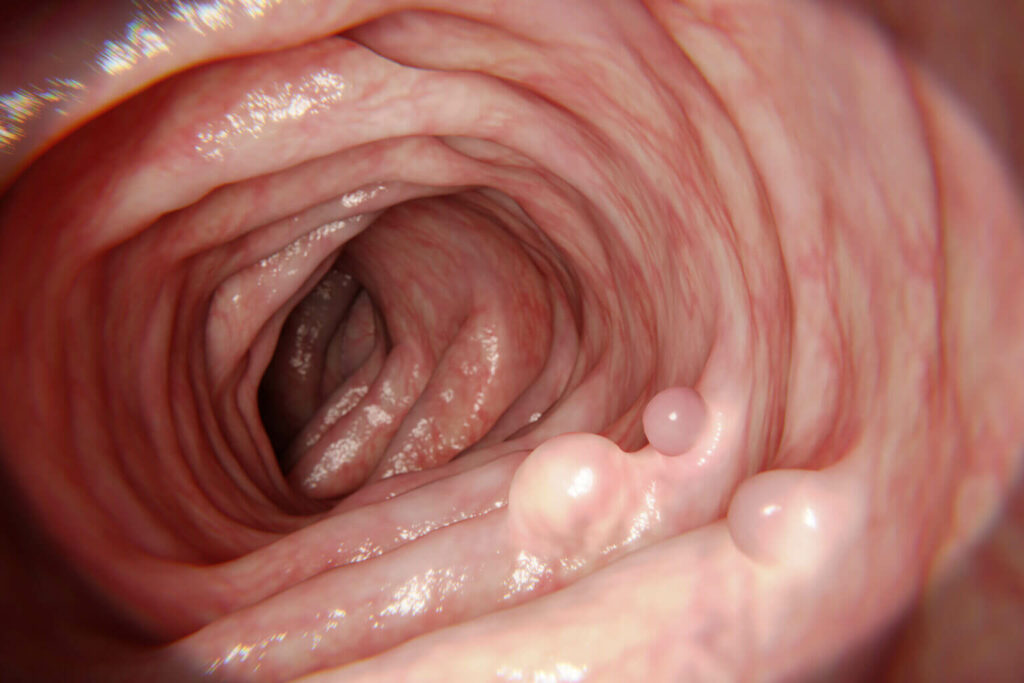
The primary goal of colorectal cancer screening is to prevent deaths from colorectal cancer. Screening tests can help identify cancers at an early and potentially curable stage. Screening can also prevent cancer by identifying and treating abnormal precancerous growths (polyps) that can be removed before they become cancer. So you can be screened and treated for pre-colon cancer lesions, all during the same test.

The Background:

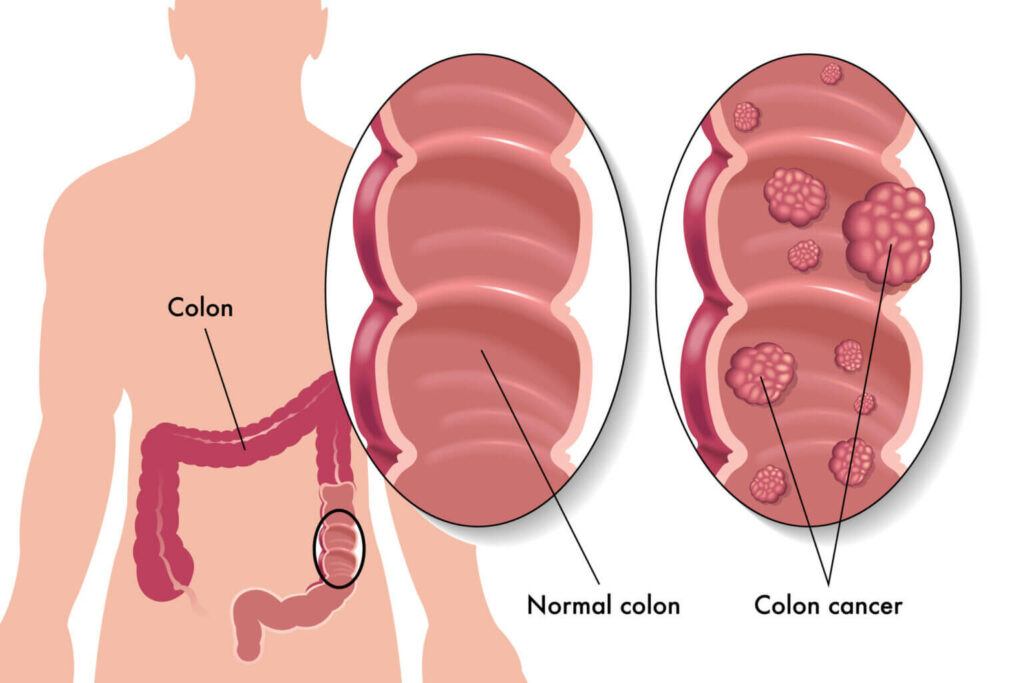
Most colorectal cancers develop from precancerous polyps. Polyps are growths that form in the lining of the colon. These polyps can develop into cancer over time, but this progression takes at least ten years in most people. 

So during a colonoscopy, if a polyp is found, it is removed to try to prevent it from becoming more serious. Regular screening with colonoscopies for and removing polyps reduces your risk of developing colorectal cancer by up to 90%! Similarly, if a cancer is found, it may be treated, hopefully at an earlier stage than it would have been found otherwise. Early detection of cancers already presents in the colon increases the chance of successful treatment and decreases the chance of dying due to cancer.

So how do we get ready for a colonoscopy, and how does it work?   

The Prep:

Colonoscopy requires that you prepare by cleaning out your entire colon so the provider can see the inside of your colon well. Essentially, they are looking through a small camera to look for changes in the intestine wall lining. So the colon wall needs to be clean for them to see.

This clean-out usually involves drinking a laxative liquid preparation that causes temporary diarrhea. This is by far the worst part of the colonoscopy experience. It is also a reason that many people avoid having a colonoscopy. Avoiding a colonoscopy, for this reason, is foolish as progressive colon cancer will cause far more symptoms than “temporary diarrhea.”

The Procedure:

Once prepped, you will go to your scheduled appointment at the “Colonoscopy Center” we sometimes refer to as the “GI Lab,” short for Gastroenterology Lab. There you will be given a mild sedative drug, or some providers use a more potent anesthetic agent that puts you to sleep. This might be the best part of the colonoscopy, the short but powerful “colonoscopy nap.”

Once you are sedated, a thin, flexible, lighted tube is inserted through the anus and used to directly inspect the lining of the rectum and the entire colon. Biopsies (samples of tissue) may be taken during the procedure. Polyps and some cancers can be removed during this procedure. The whole process usually takes less than 30 minutes. You are given the news of your colonoscopy immediately, but you will need to wait for the pathology results for several days if you had removed polyps during the procedure. Pathology results help determine if additional treatments are required and how many years you can wait before your next colonoscopy.

You can rest and recover from the sedation and must have someone to drive you home and stay with you for several hours as you fully recover from the sedation. After that, you can typically resume life as usual. 

Isn’t there an easier way? 

There are several other screening tests we use to look for signs of colon cancer. However, none of them are as effective as a colonoscopy. Colonoscopy is the most sensitive of the available tests; it detects most small polyps and almost all large polyps and cancers and substantially lowers the risk of developing and dying from colorectal cancer.

Do we ever use colonoscopies for other reasons?

Yes! We use these useful diagnostic tools to identify other health problems also. For example, blood in your bowel movements, changes in your bowel habits, to evaluate for causes of anemia, or long term belly or rectal pain that we can not explain another way. 

So, be as aggressive with your colon cancer screenings as you can! It is an almost entirely preventable cancer if we use colonoscopies effectively! Talk with your provider at your next visit about planning to have this vital screening completed.

Food Allergy or Food Intolerance?

Do you have chronic stomach cramping, gas pains, bloating, or diarrhea? Does your food seem to go right through you after you eat? If so, you should see your doctor and make sure you don’t have a more serious medical condition. However, let’s say you have seen your physician, and they haven’t found anything seriously wrong. Could it be a food allergy? Should you get allergy testing? Well, before you see an Allergist, first consider food intolerance as the root of your symptoms.

Food intolerance occurs when our bowels lose the ability to digest a particular type of food. The inability to digest can happen as our bowels get older. For an unknown reason, our digestive system stops producing the enzymes needed to digest certain foods. So the bacteria in our intestines digest the food instead. Bacteria create gas, bloating, and diarrhea. Unfortunately, there are no accurate medical tests that confirm which food is causing the symptoms (1). It is just trial and error, cutting out certain foods and seeing if you feel better.

But how do you know your symptoms are not from a food allergy? A food allergy can cause stomach symptoms, but there are usually other symptoms like hives, throat swelling/itching, trouble breathing, heart racing, and dizziness. If you have any of these symptoms, then you should get allergy testing. Otherwise, try ruling out a food intolerance first.

Which foods should you try cutting out? Start with foods you suspect. Cut them out one at a time, each for a few weeks, and see which one feels better to you. Try cutting out all suspicious foods at once and then add them back in one at a time, but that is often hard to do. Here are some typical food intolerances you could start removing from the diet:

  • Lactose (dairy) 
  • Fructose (e.g., high fructose corn syrup)
  • Gluten
  • An excessive amount of insoluble fiber
  • Fermentable oligosaccharides, disaccharides, monosaccharides, and polyols (FODMAPs): FODMAPs are certain types of sugars that some people don’t digest well. They are found in several different types of foods (2). You can see which types of foods are high in FODMAPs, by clicking here:

https://med.virginia.edu/ginutrition/wp-content/uploads/sites/199/2018/05/Low_FODMAP_Diet_12.16.pdf

If you need help with a food allergy, please contact our office at 801-798-7301.

Sources:

  1. Moshiree, B. Rao S. Up-To-Date diagnosis and management of IBS and chronic constipation in primary care. Supplement to Journal of Family Practice. Vol 70, No 1 Suppl. Jan/Feb 2021.
  2. Commins, S. P. 

Food intolerance and food allergy in adults: An overview. UpToDate. Accessed on 3/12/21 from https://www.uptodate.com/contents/food-intolerance-and-food-allergy-in-adults-an-overview?search=food%20intolerance&sectionRank=1&usage_type=default&anchor=H374023795&source=machineLearning&selectedTitle=1~150&display_rank=1#H2655247307

Allergy Relief And Immunotherapy (Shots and Drops)

What Is Immunotherapy?
Immunotherapy means giving your body what you are allergic to in small amounts, gradually increasing the amount over time, to train your body to become immune/tolerant to the thing for which you are allergic. In other words, it cures you of your allergies.

What Does Immunotherapy Treat?
Immunotherapy works well for Hayfever (itchy eyes, congested/runny/sneezy nose). It also works well for Allergy-induced Asthma. Children with asthma who do Immunotherapy treatments are 50% more likely to outgrow their asthma. Immunotherapy is for individuals as young as age 5, up to any age.

What Are the Options?
One to two injections (depending on the severity of your allergy) in the arm(s), given in the clinic, once a week for the first 12 months, then every two weeks for two more years for a total of three years. You can also use liquid drops placed under the tongue daily for three years, which you give yourself at home.

How Effective Is Immunotherapy?
Immunotherapy is about 85-90% effective in treating the specific allergen for which you may suffer. In other words, about 9 out of 10 people will have life-long relief from their allergies if they complete the three years of treatment. It takes about three to six months of treatment before allergy symptoms begin to subside.

What Is the Cost?
Immunotherapy (or allergy shots) is covered by Medicaid, Medicare, and most commercial insurance plans, although you may have to meet your deductible. Most insurances don’t require a co-pay when you come in for an allergy shot. Most insurance companies don’t cover allergy drops. A three-month supply of drops is about $110 for one vile or $160 for two vials (two vials may be necessary if we can’t fit all your allergens into a single vial).

How Do I Get Started?
Start by getting tested for common allergens, including local pollens, molds, dust mites, trees, grass, weeds, pets, etc. Based on these results, allergy drops/shots will be made specifically for you.

Dr. David Beckstead MD and his specially trained medical assistants perform allergy skin tests and administer allergy shots at our Spanish Fork location. Call 801-798-7301 and ask to schedule an allergy skin testing appointment with one of Dr. Beckstead’s skilled assistants.

Truth vs Myth: The COVID-19 Vaccine

For those of you who are fans of the NBA and follow the Utah Jazz, you may realize that a watershed moment occurred on March 11, 2020. Rudy Gobert, All-Star Center for the Jazz, tested positive for COVID-19. He was the first athlete in a major professional sporting league to test positive. Leading to the cancelation of the game they were to play against the Oklahoma City Thunder that night. A cascade of cancelations followed. Games, schools, restaurants, and workplaces closed as the reality of the pandemic swept across the country. Gobert’s positive test marked the day that changed America. 

A year has passed. Some things in life have returned to a level of normalcy, but others are vastly different. We have all had limitations and restrictions on us that have affected work, school, family relationships, and other social interactions. There have been lives lost to COVID. Others changed forever. We are all asking; when will we get back to normal? I don’t have a firm answer for that one. As disappointing as that may sound, there is hope that we can eventually return to something that more closely resembles normal. 

Getting vaccinated against COVID-19 is likely the best chance we have to push back the tide of the current pandemic. The vaccine has already led to a dramatic decrease in severe illness from COVID-19 in skilled nursing facilities and hospitalization rates, but we have a lot of work yet to do. Vaccines against COVID-19 are being distributed in communities across the globe. More and more people are becoming eligible, beginning with the most vulnerable. 

I have encountered many questions about those considering the vaccine for themselves or loved ones. Many have questions about safety and efficacy. The following are a few of the more common questions, answered with the most up-to-date information I could find available.

Question 1: Is the vaccine effective? 

  • The current data shows that the vaccines against COVID-19 are very effective. Most studies have shown rates of effectiveness to be 70-90+ percent. These rates are better than those of many other vaccines that we currently use against other infectious diseases. Overall effectiveness and duration of protection continue to be studied, but initial results are very encouraging. 

Question 2: Will the vaccine affect fertility or pregnancy?

  • There is no evidence or theory to suggest that the vaccine harms female or male fertility. Fertility experts have repeatedly recommended vaccination. 
  • The vaccines do not enter the nucleus of the cell. The cell is where genetic material is stored. So the vaccine cannot cause genetic changes. 
  • The American College of Obstetrics and Gynecology has recommended vaccination against COVID and states that the COVID vaccine not be withheld from pregnant patients. Indeed, studies in pregnancy have not been done. If you are currently pregnant or planning pregnancy, it is reasonable to discuss getting vaccinated with your provider. 
  • There is a growing body of evidence that there are significant risks of having infection with the COVID-19 virus during pregnancy. Vaccination can help prevent this. 

Question 3: Is the vaccine safe? Was the vaccine approved too quickly?

  • Vaccines against COVID-19 went through similar clinical trials as other vaccines to receive approval by the FDA and similar governing bodies in other nations. 
  • The FDA has approved COVID-19 vaccines under an Emergency Use Authorization (EUA). The FDA only uses the EUA for COVID vaccines if there is substantial evidence of safety and effectiveness. These vaccines are still safe and effective even though they became available rather quickly. 

Question 4: Can I get COVID from the vaccine?

  • No. The vaccines do not contain the COVID virus. You cannot get infected with COVID-19 from the vaccination.

Question 5: Why is the reaction to the vaccine so significant for some people?

  • Vaccinations are intended to create an immune response. This response can include symptoms of fatigue, low-grade fever, muscle aches, etc. The most common reaction is local tissue reaction at the injection site. If you experience these symptoms following vaccination, Tylenol and/or ibuprofen can be used. Getting a skin infection at the injection site is rare. 
  • COVID-19 Vaccines are anticipated to cause these symptoms. The severity of the post immunizations symptoms is varied. These symptoms are evidence that the vaccine is doing what is intended. Once vaccinated, if the body encounters the COVID-19 virus, it will quickly respond to fight it off. 
  • Allergic reactions to vaccines can occur, including the COVID-19 vaccine, but severe reactions are infrequent. The latest data indicates that severe allergic reactions to the vaccine are about 10 cases per 1 million vaccines administered. You will be asked about previous reactions to vaccines that may indicate risk for an allergic response to COVID-19 vaccination. 

Question 6: When will we get to stop wearing masks and avoiding social gatherings?

  • I don’t have an answer for this one. The vaccine is thought to be the best hope for our community and people worldwide to return to activities safely. The rate at which vaccination is distributed will likely influence the time frame of return. The CDC recently published guidelines for what fully vaccinated people may do. You can read this at https://www.cdc.gov/coronavirus/2019-ncov/vaccines/fully-vaccinated-guidance.html.
  • The Utah legislature recently passed legislation ending the state-wide mask mandate on April 10, 2021. However, this does not mean it becomes a free-for-all on April 10. There will continue to be some settings (gatherings larger than 50 people, K-12 schools, local areas with county-specific mandates) where masks may continue to be required.
  • Even then, life may look slightly different than it has in the past. 

Question 7: I had COVID. Should I still get the vaccine?

  • Yes. If you have recovered from a COVID-19 infection, you should still receive the vaccine. The CDC recommends you wait until 90 days from when you were infected before getting vaccinated. However, the vaccine’s protection is still thought to be helpful enough to warrant vaccination among those infected with the virus. 

Question 8: Which of the available vaccines should I get? 

  • I would recommend that you receive the vaccine that is made available to you. There are currently three vaccines approved for use in the United States. Each is considered effective and safe. 

This list is certainly not a comprehensive list of questions regarding COVID-19 vaccinations. It intended to answer some of the more common concerns that I have heard from my patients. If you have other concerns or further questions, I encourage you to reach out to your health care provider. We are here to provide answers and services for your healthcare needs. What to do with COVID vaccination is part of what we hope to offer for our patients and communities. 

Rudy Gobert is known for his outstanding defense. Vaccination against COVID-19 is here and gives us the most promising protection against COVID-19 in our attempts to escape the current pandemic. Canyon View Medical Group is pleased to be able to offer vaccination to the communities we serve. For more information and to schedule your vaccine appointment online, click the green “Schedule COVID-19 Vaccination” button below.

Schedule COVID-19 Vaccination

Why Can’t I Sleep?

If you have a hard time falling or staying asleep at night, you are not alone. Some estimates show that 10% to 30% of adults live with chronic insomnia. As many as 95% of Americans report an episode of insomnia at some point during their lives. That’s a whole lot of people asking themselves, “Why can’t I sleep?” Unfortunately, the answer to the age-old question is not an easy one. 

Multiple factors can play a role in not getting enough zzz’s, leaving us with complaints of daytime fatigue, lack of energy, irritability, reduced work performance, and difficulty concentrating. If you feel these daytime impairments after having repeated difficulty falling asleep or staying asleep, you may be dealing with insomnia.

Factors that keep us awake can be physiological, environmental, or psychological. Some of these common factors include:

  • Consuming substances that negatively affect sleep. Caffeine, alcohol, nicotine, and some medications. Diet pills and cold medicines are often the culprits. If you are unsure if something you are taking is affecting your sleep—ask your provider.
  • Physical pain and discomfort can make it harder to fall and remain asleep. Frequent trips to the bathroom, sleep apnea, and restless leg syndrome are other medical conditions that disrupt sleep. However, your medical provider can treat those conditions. 
  • Depression, anxiety, and excessive worry can keep our minds from turning off at night. Replaying the day’s events and worrying about possible coming events are shared with people having insomnia related to mental health conditions. Treating underlying mental health issues will often resolve issues with insomnia.
  • Unhealthy lifestyles and sleep habits we are unaware of may also hinder a good night’s sleep. These habits can include going to bed at a different time each night or napping during the day. Screen devices like computers, televisions, and cell phones can also cause sleep problems. Too much light, too many blankets, and too much noise are all environmental factors that can disrupt our sleep.

So now what? We know what it feels like not to sleep and what might be causing it, but how do we fix it? It is often our first inclination to want to take a medication or pill that will put us to sleep. However, the most beneficial way to improve restful, restorative sleep is to work on sleep hygiene. 

Sleep hygiene refers to daily activities and habits that are consistent with or promote the maintenance of good quality sleep and full daytime alertness:

  • Develop regular sleep habits. This means keeping a regular sleep and wake time, sleeping as much as needed to feel refreshed the following day, but not spending more time in bed than needed.
  • Avoid staying in bed in the morning to catch up on sleep.
  • Avoid daytime naps. If rest is necessary, keep it short (less than 1 hour) and avoid napping after 3 pm.
  • Do not read, write, eat, watch TV, talk on the phone, or play cards in bed.
  • Avoid caffeine after lunch; avoid alcohol within 6 hours of bedtime; avoid nicotine before bedtime.
  • Avoid sleeping pills, particularly over-the-counter remedies.
  • Create a bedtime routine (dim lights, take a bath, listen to soft music, read a book).
  • Keep the bedroom dark, quiet, and at a comfortable temperature.
  • Exercise daily (but not later than 6 pm to 7 pm).
  • Do not force yourself to sleep. If you cannot fall asleep within 15 to 30 minutes, get up and do something relaxing until sleepy (e.g., read a book in a dimly lit room, watch a non-stimulating TV program). Avoid watching the clock or worrying about the perceived consequences of not getting enough sleep.

Sleep hygiene is not always easy, and you shouldn’t expect to see results quickly.  You may have to make new habits and break old ones, which will take time. 

If you have questions about treating insomnia, start working on your sleep hygiene and make an appointment to see one of our providers at Canyon View Medical Group.

The Heart of The Matter

Ah, February! The month set aside to celebrate true love, let groundhogs predict the weather, and acknowledge that our failed New Year’s Resolutions were overly ambitious. What more could we ask of 28 days? Actually, here are a few ideas –

Did you know February is also American Heart Month? I’m not just talking about the Lonely-Hearts Club, either. I’m talking about that fantastic muscle in your chest that looks nothing like the shape we show our children. This is the month to learn how to keep your ticker ticking as long as possible.

Before you completely throw away your New Year’s goals, take a glance at them and see if there is one aimed at a healthier lifestyle. There usually is. Don’t wholly discard that one. While you may need to make some changes, it is never too late to start improving your health.

Wait! Before starting any exercise program, you should have a wellness exam by your primary care provider. While you are there, take the time to have a conversation with him/her about any family history of heart disease, high blood pressure, diabetes, or high cholesterol. You may have a genetic tendency for these conditions just because of where your ancestry. That’s something none of us can control.

Risks that increase your heart disease chance include being overweight, having high blood pressure, diabetes, high cholesterol, and being inactive. With diet and exercise, many of these risk factors can be managed. Yes, sometimes we have to discuss medication, but not always. Knowing your risks early on can help you take control of the situation.

Now, a quick word about exercise. Exercise does not only mean running. If you love to run, great! For you, exercise can be running. For those of you who do not love running or can’t run, there are other options. Never underestimate the value of walking. It is easy on the joints, and you can implement intervals with this. After all, speed walking is an Olympic Sport. There are other great options. Feel free to YouTube some Yoga. Pull out all those old DVDs, then mix and mash the workouts. Just get moving once your provider gives you the go-ahead.

If February isn’t your month because you don’t get into all this Valentine’s stuff, then don’t get sucked into the candy. However, when you look at the heart designs, start to think about your heart health. Your heart is there for you on average 100,000 beats a day. Are there 1 or 2 things a day you can do in return for it?

For a list of Canyon View Family Medicine Primary Care providers, visit https://canyonviewfamilymedicine.com/providers/

What’s the HAP with the PAP?!

The time of year has come, you double-check the calendar – once, twice, thrice. You make up a few excuses in your head, and you consider rescheduling (BUT YOU DON’T!). Yes, the time has come for your old frenemy, the Pap smear. To those responsible for giving things terrible names, we salute you. 

Whether we have modesty concerns, feeling vulnerable and exposed, fear of discomfort or pain, fear of bad news, it’s just all around not the most fun part of our year (or three years to be more exact, but we will talk about that later). I will echo my parents’ parenting by saying, sometimes in life; we have to suck it up and do hard things when it’s essential. And listen up, my friends, this IS important. Let’s break it down a little and see if we can dispel some nerves and promote the Pap’s many merits. 

Why do we need Pap smears? Is it necessary? The answer to that question is a resounding YES! According to the World Health Organization (WHO), cervical cancer is the 4th most common cause of cancer in women. According to the American Cancer Society, it also used to be one of the most common causes of cancer death, but those rates have significantly dropped thanks to the Pap smear. 

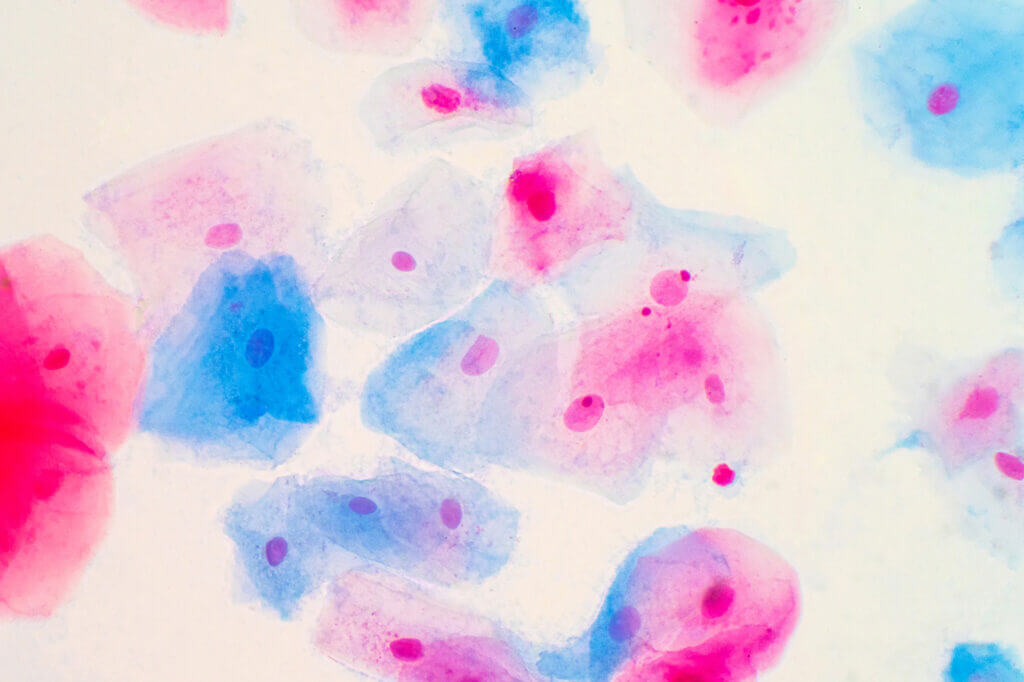
One might ask, what is the origin of cervical cancer? Human Papillomavirus (HPV) is a sexually transmitted virus, is super common, and is also the cause of cervical cancer 99% of the time (WHO). For many women, HPV, if acquired, will resolve spontaneously, and persistent infection can lead to cervical cancer. When you get a Pap smear, we sample your cervical cells to ensure no abnormalities. A SOFT bristled brush is used to collect the sample, not a scalpel. This sample allows us to find changes in the cervix before cancer even has a chance to develop! Amazing! And if it has developed, we can usually catch it while it is small and much easier to treat. So give a clap for the Pap! Although the clap is a topic for another discussion, so maybe just a round of applause? What’s a cervical discussion without a little sense of humor?

Let’s end with a few guidelines on the when: Happy 21st birthday to you! A world of possibilities just opened up as well as your first Pap smear! Starting at 21 years old and then every three years after (as long as everything comes back normal), you need a Pap smear. Once you turn 30, there is additional testing that can change the frequency to every five years. These recommendations continue until about age 65. Not too bad, right? It used to be annual if that makes you feel any better.

While Pap day maybe isn’t everyone’s favorite day, I hope you can see why it is necessary. Not every cancer is this easy to screen for or prevent, and a Pap smear isn’t that bad. Whatever might be stopping you, it’s time to decide if the risk is worth it. And while some women may be completely comfortable with a male provider performing their Pap smear (remember they do it all the time), if that’s what’s holding you back, remember there are plenty of female providers out there like me. You need to ask for one. Come on in, ladies. Deep breaths. You got this. 

Pregnancy and COVID-19

While pregnancy can be a joyous time in your life, it can also bring nervousness and uncertainty. This is especially true during the ongoing COVID-19 pandemic. Many pregnant women have questions about how COVID-19 may affect their pregnancy or their baby. The knowledge we have about coronavirus and pregnancy is continually evolving, and continuing research will bring us more information.

At the current time, there is no evidence being pregnant makes a woman more likely to get COVID-19. However, pregnant women should be aware that they are at higher risk of severe symptoms if infected. Compared to non-pregnant women, women who are pregnant and sick with the virus are more likely to be admitted to the hospital, put on a ventilator, or require additional life support. Some data shows that pregnant women who test positive for coronavirus may be at increased risk for blood clots. It is recommended that pregnant patients hospitalized with the virus use blood thinners. Some experts even suggest that all pregnant women with COVID-19 should take blood thinners, but more research is necessary on this topic. Pregnant women are also at higher risk of dying from COVID-19 than non-pregnant women, although this is rare.

While we do not have a lot of information about how the virus may affect your baby in the womb, some research has found that pregnant women with COVID-19 are more likely to have preterm labor and delivery. Current data shows that exposure to the virus does not increase the risk of birth defects. While it is unknown exactly how often the virus may be passed from mother to baby, there is likely a small risk of this happening if a mother is COVID-positive at the time of delivery. Most newborns who test positive for COVID-19 will have no or mild symptoms.

Due to these risks and unknowns, pregnant women should be extra careful about protecting themselves from the coronavirus. Wear a mask when you are in public areas, and practice social distancing with people who are not part of your household. Wash your hands frequently, limit travel, and avoid activities where it may be challenging to protect yourself. You may need to be creative about approaching your pregnancy, such as hosting virtual parties instead of standard baby showers and family events. You should also be aware that your hospital may require testing for COVID-19 before delivery and limit the number of people who can visit you and your baby at the hospital.

You should continue to receive prenatal care throughout your pregnancy according to your provider’s recommendations. If you develop symptoms of COVID-19 during pregnancy, such as a fever, cough, or loss of taste or smell, it is essential to let your healthcare provider know. They can give you more information about testing and treatment. While it may be a stressful time to be pregnant, know that we are here for you both during and after your pregnancy to answer your questions, and take care of you and your baby.

References:

CDC

“If You Are Pregnant, Breastfeeding, or Caring for Young Children.” Centers for Disease Control and Prevention, Centers for Disease Control and Prevention, 3 Nov. 2020, www.cdc.gov/coronavirus/2019-ncov/need-extra-precautions/pregnancy-breastfeeding.html. 

Mayo Clinic

“Understand How COVID-19 Might Affect Your Pregnancy.” Mayo Clinic, Mayo Clinic, 5 Nov. 2020, www.mayoclinic.org/diseases-conditions/coronavirus/in-depth/pregnancy-and-covid-19/art-20482639. 

Understanding Diabetes

At the age of 11, my younger brother started to experience the three key symptoms of diabetes; excessive thirst, frequent urination, and extreme hunger. He was continually eating food and drinking water, but we thought he was going through a growth spurt.

However, he was later admitted to Primary Children’s Hospital in Salt Lake City and diagnosed with type 1 diabetes. I was 15 years old at the time of his diagnosis. I remember my parents telling me what was “wrong” with him, but I had no understanding of the disease or that it would be a life-long battle for him.

When my little brother stabilized and was getting closer to being discharged, we had to meet with the diabetes educator; this is where I learned that my brother would need to give himself a shot of insulin daily.  I don’t know about you, but at 15, I had a strong dislike and fear of needles. Even with that fear, I had to help my family when I could and somehow got convinced into letting my little brother practice on me. I don’t remember much else from that day, but I won’t forget the shot he administered in my abdomen and him testing my blood sugar. 

As I finished high school and started thinking about career options, I knew that I wanted to be a nurse. While in nursing school, I learned about different diabetes types, such as type 2 diabetes and gestational diabetes. I already knew about type 1 diabetes because of my personal experience with the disease, and now I had to understand these different types. When I began my career as a bedside nurse, I quickly learned that I would be dealing more with type 2 diabetes than type 1. Type 2 diabetes is more common than type 1 diabetes because it directly correlates with obesity and living sedentary lifestyles.

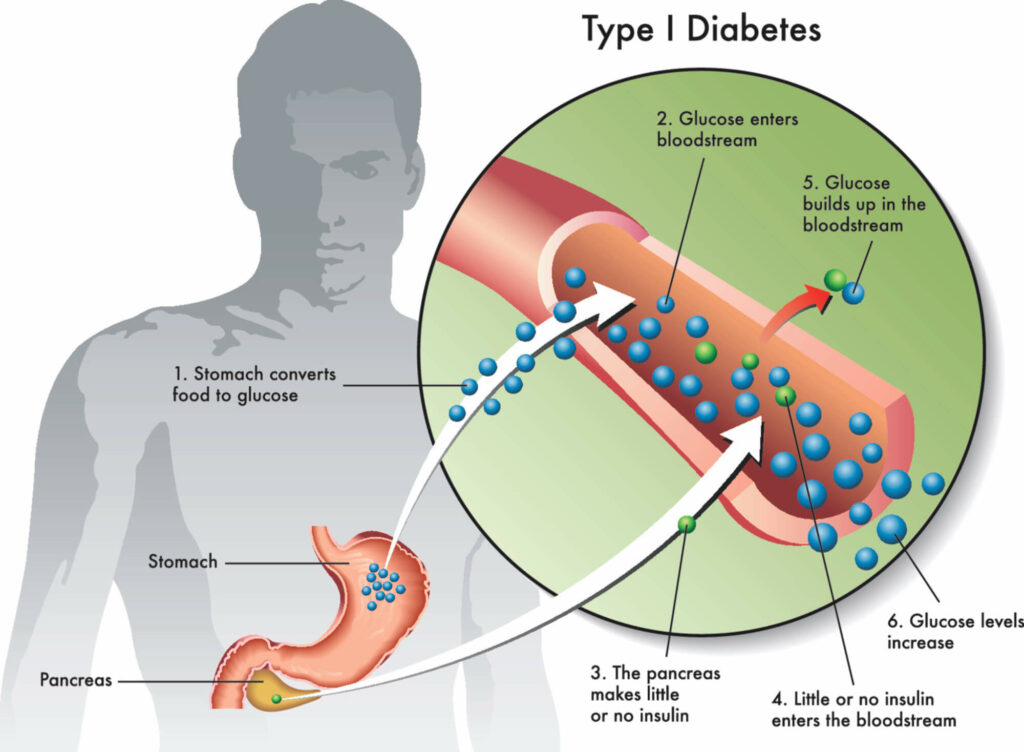
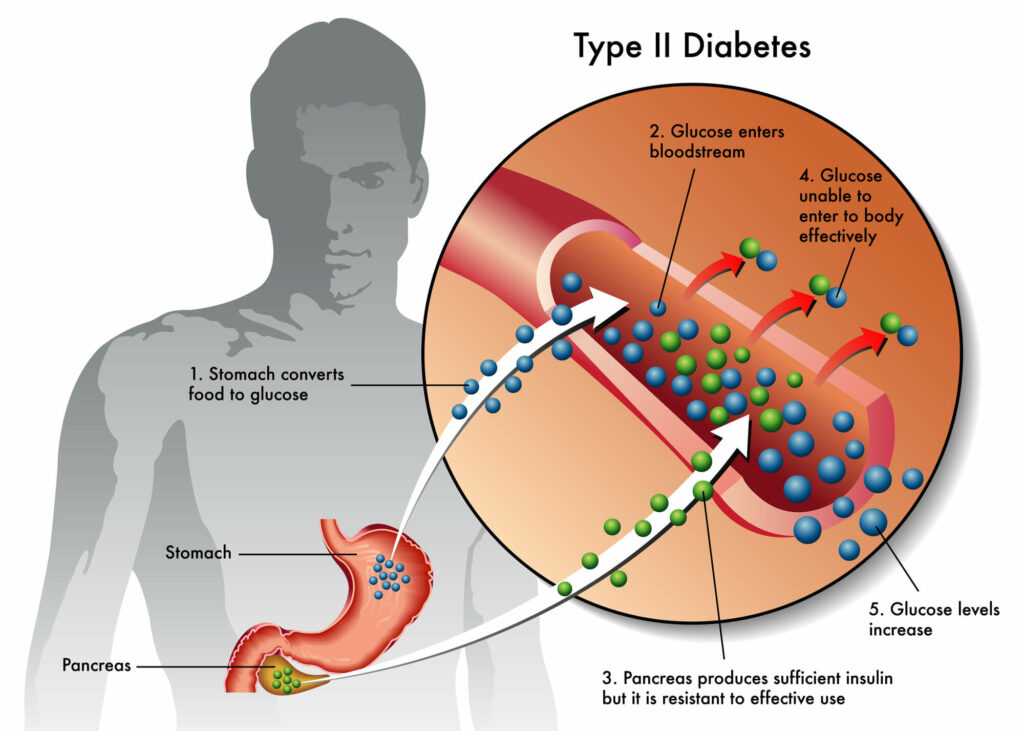
In the United States, approximately 1 in 10 people struggle with diabetes (CDC, 2019). Type 1 diabetes likely occurs after an environmental trigger occurs in a susceptible person. This environmental trigger initiates the immune system to destroy the insulin-producing cells in the pancreas. Once these cells are destroyed, your body can no longer make insulin to lower their blood sugar. Type 2 diabetes develops when insulin resistance occurs, and the liver produces too much glucose, or when insulin secretion from the pancreas becomes inadequate. Early within the disease process, the muscles, liver, and fat become resistant to insulin. This isn’t damaging to the body in the beginning because the pancreas will compensate for these systems. The pancreas notices the increase in blood sugar levels and will make more insulin to cover the needed amount. Eventually, the pancreas becomes overworked, and it stops producing enough insulin to compensate. When this happens, our blood sugar level remains elevated, and a diagnosis of type 2 diabetes occurs.

At this point, you may be asking yourself, “how do I know if this is happening to me?” The best way to know if you have type 2 diabetes or are prediabetic is to come to any provider at Canyon View Medical Group. Your provider can perform a lab test called Hemoglobin A1C. The lab result gives your provider your average blood glucose level for the last three months.

A normal A1C, meaning no diabetes, is less than 5.6%. An A1C that is concerning for prediabetes is represented by an A1C of 5.7% to 6.4%. A patient is considered diabetic if their A1C is greater than or equal to 6.5%.        

If your provider informs you that you are prediabetic, they will provide counseling on the importance of changing your diet and initiating an exercise program. These two interventions are critical to lowering your A1C and preventing you from becoming a type 2 diabetic. If you have type 2 diabetes, your provider will stress the importance of lifestyle changes similar to what is done for prediabetic patients and will likely start you on medicines to lower your A1C. The medications your provider prescribes will work well at reducing your blood sugar level, but the best results come from a combination of drugs, diet, and exercise. Once you have type 2 diabetes, you will visit your healthcare provider every three months to check your A1C%. Most type 2 diabetics have an A1C goal of less than 7%.

The importance of maintaining an A1C of less than 7% is to prevent chronic complications of type 2 diabetes. These complications affect many organ systems and are responsible for most morbidity and mortality with the disease (Fauci et al., 2017, p. 2285). The complications associated with type 1 and type 2 diabetes include both vascular and nonvascular. The vascular complications, meaning the problem exists within the veins, include; issues with the eyes, nerves, kidneys, heart, arteries, and brain (Fauci et al., 2017, p. 2285). The nonvascular complications, which is when the problem occurs outside of the veins, include; slow gastric emptying, infections, and skin changes (Fauci et al., 2017, p. 2285).

Diabetes is a serious disease. Type 2 diabetes can be prevented or reversed by implementing lifestyle changes, like changing your diet and exercising. If you have more questions about diabetes or want to get tested for the disease, please call and make an appointment with your provider.

References

CDC. (2019, May 13). Diabetes. Retrieved October 11, 2020, from https://www.cdc.gov/diabetes/basics/type2.html

Fauci, A. S., Braunwald, E., Kasper, D. L., Hauser, S. L., Longo, D. L., Jameson, J. L., & Loscalzo, J. (2017). Harrison’s principles of internal medicine (17th ed.). McGraw Hill Medical.

resources
Recommended Books
Canyon-View_Provider_Bekah Platt
providers
Bekah Platt, FNP
801-853-3700
Family Medicine
Canyon-View_Provider_Taylor-Sorenson
providers
Taylor Sorenson, DO
801-798-7301
Family Medicine
providers
Courtney Rogers, LCMHC, NCC
Load more results