Truth vs Myth: The COVID-19 Vaccine

For those of you who are fans of the NBA and follow the Utah Jazz, you may realize that a watershed moment occurred on March 11, 2020. Rudy Gobert, All-Star Center for the Jazz, tested positive for COVID-19. He was the first athlete in a major professional sporting league to test positive. Leading to the cancelation of the game they were to play against the Oklahoma City Thunder that night. A cascade of cancelations followed. Games, schools, restaurants, and workplaces closed as the reality of the pandemic swept across the country. Gobert’s positive test marked the day that changed America. 

A year has passed. Some things in life have returned to a level of normalcy, but others are vastly different. We have all had limitations and restrictions on us that have affected work, school, family relationships, and other social interactions. There have been lives lost to COVID. Others changed forever. We are all asking; when will we get back to normal? I don’t have a firm answer for that one. As disappointing as that may sound, there is hope that we can eventually return to something that more closely resembles normal. 

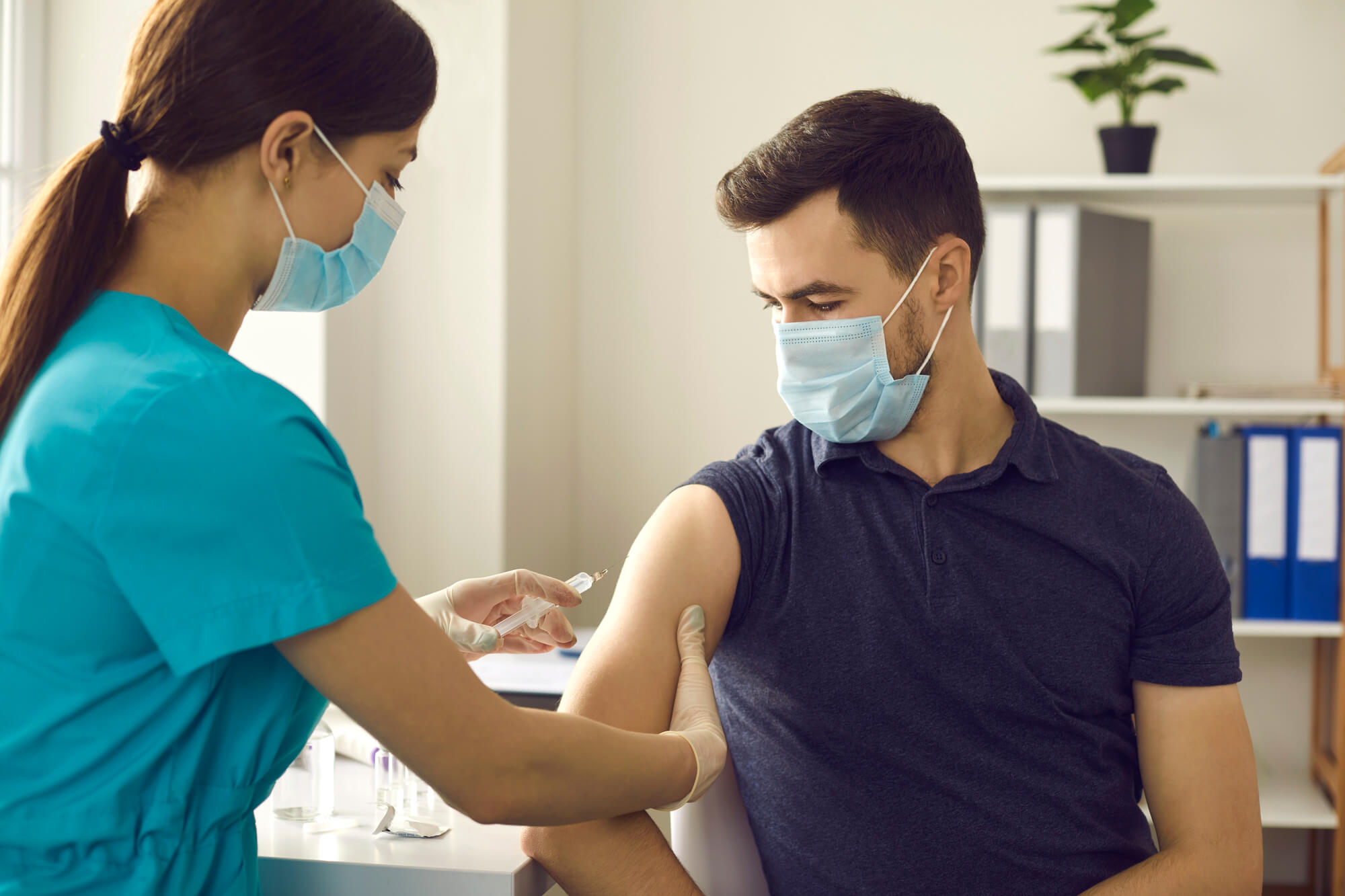
Getting vaccinated against COVID-19 is likely the best chance we have to push back the tide of the current pandemic. The vaccine has already led to a dramatic decrease in severe illness from COVID-19 in skilled nursing facilities and hospitalization rates, but we have a lot of work yet to do. Vaccines against COVID-19 are being distributed in communities across the globe. More and more people are becoming eligible, beginning with the most vulnerable. 

I have encountered many questions about those considering the vaccine for themselves or loved ones. Many have questions about safety and efficacy. The following are a few of the more common questions, answered with the most up-to-date information I could find available.

Question 1: Is the vaccine effective? 

  • The current data shows that the vaccines against COVID-19 are very effective. Most studies have shown rates of effectiveness to be 70-90+ percent. These rates are better than those of many other vaccines that we currently use against other infectious diseases. Overall effectiveness and duration of protection continue to be studied, but initial results are very encouraging. 

Question 2: Will the vaccine affect fertility or pregnancy?

  • There is no evidence or theory to suggest that the vaccine harms female or male fertility. Fertility experts have repeatedly recommended vaccination. 
  • The vaccines do not enter the nucleus of the cell. The cell is where genetic material is stored. So the vaccine cannot cause genetic changes. 
  • The American College of Obstetrics and Gynecology has recommended vaccination against COVID and states that the COVID vaccine not be withheld from pregnant patients. Indeed, studies in pregnancy have not been done. If you are currently pregnant or planning pregnancy, it is reasonable to discuss getting vaccinated with your provider. 
  • There is a growing body of evidence that there are significant risks of having infection with the COVID-19 virus during pregnancy. Vaccination can help prevent this. 

Question 3: Is the vaccine safe? Was the vaccine approved too quickly?

  • Vaccines against COVID-19 went through similar clinical trials as other vaccines to receive approval by the FDA and similar governing bodies in other nations. 
  • The FDA has approved COVID-19 vaccines under an Emergency Use Authorization (EUA). The FDA only uses the EUA for COVID vaccines if there is substantial evidence of safety and effectiveness. These vaccines are still safe and effective even though they became available rather quickly. 

Question 4: Can I get COVID from the vaccine?

  • No. The vaccines do not contain the COVID virus. You cannot get infected with COVID-19 from the vaccination.

Question 5: Why is the reaction to the vaccine so significant for some people?

  • Vaccinations are intended to create an immune response. This response can include symptoms of fatigue, low-grade fever, muscle aches, etc. The most common reaction is local tissue reaction at the injection site. If you experience these symptoms following vaccination, Tylenol and/or ibuprofen can be used. Getting a skin infection at the injection site is rare. 
  • COVID-19 Vaccines are anticipated to cause these symptoms. The severity of the post immunizations symptoms is varied. These symptoms are evidence that the vaccine is doing what is intended. Once vaccinated, if the body encounters the COVID-19 virus, it will quickly respond to fight it off. 
  • Allergic reactions to vaccines can occur, including the COVID-19 vaccine, but severe reactions are infrequent. The latest data indicates that severe allergic reactions to the vaccine are about 10 cases per 1 million vaccines administered. You will be asked about previous reactions to vaccines that may indicate risk for an allergic response to COVID-19 vaccination. 

Question 6: When will we get to stop wearing masks and avoiding social gatherings?

  • I don’t have an answer for this one. The vaccine is thought to be the best hope for our community and people worldwide to return to activities safely. The rate at which vaccination is distributed will likely influence the time frame of return. The CDC recently published guidelines for what fully vaccinated people may do. You can read this at https://www.cdc.gov/coronavirus/2019-ncov/vaccines/fully-vaccinated-guidance.html.
  • The Utah legislature recently passed legislation ending the state-wide mask mandate on April 10, 2021. However, this does not mean it becomes a free-for-all on April 10. There will continue to be some settings (gatherings larger than 50 people, K-12 schools, local areas with county-specific mandates) where masks may continue to be required.
  • Even then, life may look slightly different than it has in the past. 

Question 7: I had COVID. Should I still get the vaccine?

  • Yes. If you have recovered from a COVID-19 infection, you should still receive the vaccine. The CDC recommends you wait until 90 days from when you were infected before getting vaccinated. However, the vaccine’s protection is still thought to be helpful enough to warrant vaccination among those infected with the virus. 

Question 8: Which of the available vaccines should I get? 

  • I would recommend that you receive the vaccine that is made available to you. There are currently three vaccines approved for use in the United States. Each is considered effective and safe. 

This list is certainly not a comprehensive list of questions regarding COVID-19 vaccinations. It intended to answer some of the more common concerns that I have heard from my patients. If you have other concerns or further questions, I encourage you to reach out to your health care provider. We are here to provide answers and services for your healthcare needs. What to do with COVID vaccination is part of what we hope to offer for our patients and communities. 

Rudy Gobert is known for his outstanding defense. Vaccination against COVID-19 is here and gives us the most promising protection against COVID-19 in our attempts to escape the current pandemic. Canyon View Medical Group is pleased to be able to offer vaccination to the communities we serve. For more information and to schedule your vaccine appointment online, click the green “Schedule COVID-19 Vaccination” button below.

Schedule COVID-19 Vaccination

“Wilson!”

In the 2000 film Cast Away, the character Chuck, played by Tom Hanks, rushed to board a FedEx plane on Christmas Eve for a business trip. He kissed his love, Kelly, after exchanging gifts and headed to work, saying, “I’ll be right back.” His plane crashes somewhere in the Pacific Ocean, leaving him stranded and fighting for survival alone on a small island. First world comforts and busy schedules are pushed aside as necessities like food, water, and shelter become his main focus. Particular objects reminding him of his former life become instruments kept to desperately hold onto his sanity. Among them is a pocket watch with a picture of his girlfriend, Kelly, and a volleyball Chuck named “Wilson.”  

This year, an extremely dangerous and contagious virus spread quickly worldwide, creating a global pandemic upending the economy of nearly every country. Much like in Cast Away, many in this country and others have been placed in a fight for survival. Basic needs have been pushed to the forefront as jobs have been lost or put on hold, and food or toiletries became more difficult to purchase at the grocery store. In an effort to contain or stop the virus, countries struggled with lockdowns and business closings. Hospitals and long-term care facilities adopted policies to keep their patients and residents safe such as visitor restrictions. Due to the effects the virus has on the elderly or medically at-risk persons, isolation quickly became the reality of so many of our most vulnerable. The very thing that, as humans, we desire and need has become dangerous – close physical contact and human interaction.

According to a study at Brigham Young University, a lack of social connection heightens health risks as much as smoking or having an alcohol use disorder. Loneliness and social isolation can be twice as harmful to physical and mental health as obesity (Perspectives on Psychological Science, Vol. 10, No. 2, 2015).

I have seen many friends and family members struggle with isolation and accompanying loneliness. My heart goes out to our family friend, who is hospitalized with severe and life-threatening conditions. She has been suffering her treatments alone in her hospital room without the presence of her husband or small children for months as their physical contact could prove to be too dangerous for her. I often think about and worry over patients who have closed themselves in their homes over the last few months, fearful of catching the virus.

Just as Chuck realized that he needed to get off that island to survive, those who are suffering in isolation need to escape their island. There are many safe ways to do this. The following are some common coping strategies that many healthcare workers and patients use across the country:

  1. Physical activity/exercise
  2. Counseling
  3. Yoga
  4. Religious or spiritual practices
  5. Meditation
  6. Virtual support groups

In Utah, we are fortunate to have many different outdoor activities available. I encourage you to explore the many miles of walking and hiking trails, ride a bike with your spouse or partner, or spend time at the lake fishing. Getting out of the house, exercising, and breathing some fresh air is vital to so many aspects of human health, and it can be done safely without risk of contracting COVID if current guidelines are followed. Recently our neighborhood held an event where our children drew some sidewalk chalk artwork. We then walked around and visited with one another, keeping an appropriate distance, and saw what others drew on their sidewalk. I thought this was an excellent idea to maintain current safety guidelines for disease prevention but still get some social interaction with neighbors that may have been hiding out fighting loneliness and isolation.

If you think you need to speak to a counselor or provider to help you through this time, please schedule an appointment. The important thing is to get out, build your raft, get off your island, and not lose hope.

“I know what I have to do now. I got to keep breathing because tomorrow the sun will rise. Who knows what the tide could bring?” Chuck Noland (Cast Away)

Green Exercise

Feeling cooped up and tired during the quarantine? The answer to the problem is Green Exercise! Get outside and feel the “magic”. Watch and learn more about the miracle of Green Exercise.

Working from Home Efficiently

Since the COVID-19 pandemic has entered our life’s many of us have had to work from home. Learn some helpful tips about how to work from home efficiently from Kristen Wright, FNP, Canyon View Women’s Care.

Keeping Control of Your Life During the COVID-19 Pandemic

Most of us have been on a roller coaster before and remember the dread, anticipation, and fear of going up the first massive hill on the coaster. It seems like the uphill climb takes forever, and we usually can’t see when we are going to crest the hill and start falling. The whole coronavirus situation feels a lot like this. It seems like we keep going up and up and don’t know when we are going to reach the end of or the worst of it, and the situation will start to resolve. COVID-19 is an entirely different situation, however. There is no thrill, no fun, no excitement, and zero desire to repeat this ride. Since our country and the entire world are already on this journey and the coaster isn’t going to stop midstream, one positive perspective will be to recognize we are all in this together, and if we can unite, we have the potential to learn something from this.

Professionally and personally, we have all been affected by the coronavirus. It is human nature to be fearful of things we don’t understand or can’t control. Rather than living in fear, choose to have faith, and live with hope. As scientists, medical teams, and experts in all fields of life tirelessly research, plan, care for affected individuals, and lead us through this coronavirus challenge, we are confident we will have better tools to treat and fight this illness. In the meantime, use this opportunity to look at your health habits and beliefs. Here are a few pointers to get you started as you recognize, remember, and reset your goals in life.

1. Physical

What are your hygiene habits?

Do you wash your hands appropriately? Before you eat, after using the restroom (and maybe before), after being outside or out in public?

Do you frequently touch your face? If so, do you avoid the mucous membranes of the mouth, nose, and eyes? Doing so significantly decreases the spread of many illnesses. Not touching the face may take more effort for those who wear contacts, have allergies, or are “pickers.”

What are your attitudes towards health?

Do you get your preventive screenings and examinations routinely?

Do your health habits support your immune system?

Do you get regular physical activity?

Is the most significant portion of your diet a wide variety of vegetables and fruits? If you avoid or can’t tolerate entire food groups, do you take a multivitamin or supplement to get the nutrients that are missing from your diet?

Do you limit processed and calorie-laden foods?

Do you “double-dip”? (for example french fries into fry sauce or veggies in ranch dressing)

Do you share cups, straws, drinks, meals, or utensils with multiple people?

Do you recognize the value of sleep?

Do you prioritize your goals and minimize idle time and distractions so you can get adequate rest? (i.e., social media, gaming, internet searches, and shows)

Do you smoke or vape? Since COVID-19 attacks the respiratory system, eliminating this habit may save your life. Smoking cessation is very challenging for many people but is one of the single best things you can do to improve your health. 

2. Environment

Do you regularly launder kitchen towels and sponges?  Bathroom and hand towels?

Do you routinely leave food out on the countertop or dirty dishes in the sink, where microbes have the opportunity to grow?

Do you have a cleaning schedule?

Do you regularly sanitize items that are frequently touched? (i.e., door handles and cabinets, light switches, phones, remotes, computer equipment, etc.)

Do you regularly wash pillowcases, socks, clothing, and blankets?

Do you pick up food, papers, and wrappers, particularly in dark or moist places where bacteria can thrive?

Do you practice CLEAN cooking principles? https://health.gov/our-work/food-nutrition/2015-2020-dietary-guidelines/guidelines/appendix-14/

These are things that children and all family members should be taught and expected to take responsibility for in their living environment.

3. Meaning

When illness or death strikes a loved one, our mortality may seem threatened. This threat can provide increased motivation to look for purpose in your life. What truly is important to you? Do your words, thoughts, actions, and behaviors reflect this?

Can you use this interruption of lockdown and distancing as a tool to help simplify your life? Even if you miss the sporting events, numerous extracurricular activities, lessons, and business of life try to allow this jolt to reshape how you budget your time in the future. 

How are your relationships?

We all have the same amount of time in 24 hours. How do you spend your time? 

How often do you think about others?

Research has shown that people who serve others live longer and find more meaning in their life. Do you give your time or resources to help and serve others?

Are you grateful? (for example: for teachers, toilet paper, and water)

Are you continually learning?

Are you continually growing?

During this time of social distancing, be creative in finding ways to connect with those who are important to you. Some types of personal visits may be appropriate. Use technology to FaceTime or Skype loved ones and grandparents, rebuild relationships with old friends, use your phone to actually talk to someone, etc.

4. Preparation

The Federal Emergency Management Agency (FEMA) is associated with the Department of Homeland Security and is responsible for coordinating the federal government’s response to natural and human-made disasters. FEMA safety experts recommend storing 72 hours of survival supplies (up to 96 hours). Are you prepared? https://www.ready.gov/kit

Do you have basic food, cleaning supplies, and toiletries?

Do you have adequate clothing, a plan for temporary sanitation, and an idea of how to heat your living environment?

Do you have methods for water purification and possibilities to cook if the power is out for an extended period?

Do you have finances reserved for an emergency?

Do you have a method to communicate, along with a specified contact person for your family and key information written down? (i.e., phone number and address)

Money and storage space needs consideration, and I’m not talking hoarding supplies. As a general rule, anything in excess is probably not a good thing. Emergency preparedness can be an overwhelming project and currently, resources are limited and many states are on lockdown. Our current situation is not the time for shopping and potential exposure. Now is a great time to evaluate the needs of your family (which is different than wants and what you’ve become accustomed to) and what supplies or preparation your family needs for future emergencies.

5. Emotions

How do you handle stress?

Have you rehearsed coping techniques so that they can benefit you in a stressful situation? (For example, guided imagery or deep breathing exercises. You have to practice methods of relaxation when you don’t feel stressed in order to manage well in an acutely stressful situation.)

Who is your support system? (family, neighborhoods, church groups, friends, community resources, support groups, etc.)

Look for opportunities to express gratitude, find ways to laugh (which creates endorphins that make us feel happy), and alternate routes to connect with loved ones.

You can’t control all the circumstances and situations around you, but you can control how you respond to them. You get to write your own story and create the person you want to become.  Take this challenge to become a better person. Recognize what you are doing well and what you can do better. Remember the things you were taught about hygiene and sanitation but also about connecting, supporting others, and being able to see things from a different perspective. Find something every day to be thankful for and take this opportunity to reset and replace bad habits and unhealthy thought processes with better ones. COVID-19 has the rush of a roller coaster ride but in a whole different and potentially life-threatening/life-altering way. We will get through this together. 

Here is another great article from a colleague, Tracy Frandsen, MD, Canyon View Family Medicine. Dr. Frandsen’s article talks about how we can all find peace in unsettling times like those we now see

Finding Peace In Unsettling Times

Life as we knew it has changed. Life as we know it is fleeting. Life in the future is unknown.

Social distancing, including no school, no church, no movies, no NBA basketball, no March Madness, is changing our lives. March Madness has taken on a new meaning. How do we preserve our mental health during this time of uncertainty?

While there are many things we can’t do during this time of the coronavirus pandemic, there are many things we should do to maintain our physical and emotional health. And, they are things we can continue to do, no matter the circumstances, which will stabilize our mind and give us the resilience we need to succeed. 

Exercise –

Exercise is the great medicine of all ages and for all ages. You don’t need a gym to exercise. You don’t need a Technogym, a Diskus Dumbbell set, a Lova Kettlebell Rack or any other expensive piece of equipment to get the benefit of exercise. You just need to move. Social distancing doesn’t mean you can’t walk on the sidewalk. It doesn’t mean you can’t run at the park. It doesn’t mean you can’t ride a bike. You can and should do this. Not only will the exercise strengthen your physical self, but it will also release chemicals in the brain that will calm your emotional self. Don’t let a day go by without exercising. A rule of thumb for adults: Get your heart rate up to 180, minus your age. You will feel better. 

Sunshine –

Sunshine, particularly the spring and summer sunshine, will also allow your brain to produce chemicals that will give you a positive outlook on life. Take the time to go outside. If you are laid off; if you are home from school; if you are working from home and need a break, or if you are still on the job, go outside for ten to fifteen-minute breaks. Soak in the sunshine.

Meditate –

(Mindfulness—not ruminate) Taking time to refocus and slow down the bodily processes will allow the stress hormones to dissipate at that moment and the effects will last over the next several hours. Most of these involve breathing techniques that are used to accomplish this. There are multiple apps that will guide you through this process. Calm, StressFree by the Cleveland Clinic, Aura, Stop, Breathe & Think, and Insight Timer are examples of these types of mindfulness apps. Yoga, religious worship, and reading are other such examples.

Regular Schedule – 

Keeping a routine or regular schedule allows our bodies to find a rhythm that can coincide with our diurnal cycles. Sleep schedule and its resultant adequate sleep are very important. Establish a regular bedtime and a regular get-out-of-bed time. Make sure you are getting at least seven hours of sleep. You will feel better. Not only do adults benefit from a regular schedule, but also children find normalcy through a regular schedule, particularly now that they are home, trying to navigate how to accomplish online school. Try to schedule breaks to get up and move around at least every 50 minutes. This is important for the whole family. 

Healthy Eating –

Fruits, vegetables, nuts, and grains. Get plenty of these foods. They also help regulate your bodily functions. Forget the soda. It may satisfy for the moment, but it will not give stamina like good foods. 

Life as we knew it has changed. But life has always been changing. And, it will continue to change. We can find stability during change with good physical and mental habits. We can build resilience. In addition, we remain available to assist our patients with questions about their health and their current medical situations. While we may keep our distance, we will not be distant. Together we can find sanity during this March madness. 

Coronavirus – Is it a concern?

You have likely seen the news about coronavirus and China. We want to reassure our patients about this because we have been receiving a lot of calls with questions regarding this issue.

Basic Information

2019 Novel Coronavirus (2019-nCoV) is a virus identified as the cause of an outbreak of respiratory illness first detected in Wuhan, China. Chinese authorities identified the new coronavirus very recently, and this new strain has now been found in thousands of patients in China. Additional cases have been identified in a growing number of other international locations, including the United States. There are ongoing investigations to learn more. 

In the United States

The fact that this virus has caused severe illness and has spread from person-to-person in China is concerning, but it’s unclear how the situation in the United States will unfold at this time. Imported cases of 2019-nCoV infection in people have been detected in the U.S., but at this time, this virus is NOT currently spreading in the community in the United States. To see a map of where these infections have been confirmed in the United States, click here (https://www.cdc.gov/coronavirus/2019-ncov/cases-in-us.html).

It’s important to note that “person-to-person spread” is different for different viruses. Some viruses are highly contagious (like measles), while other viruses are much less contagious and thus harder to spread. While the US Centers for Disease Control (CDC) considers this is a very serious public health threat, based on current information, the immediate health risk from 2019-nCoV to the general American public is deemed to be low at this time. 

Symptoms

For confirmed 2019-nCoV infections, reported illnesses have ranged from people being mildly sick to people being severely ill and dying. The CDC believes at this time that symptoms of 2019-nCoV may appear in as few as 2 days or as long as 14 days after exposure. Symptoms can include:

  • Fever
  • Cough
  • Shortness of breath

Keep in mind that these same symptoms can be caused by many other illnesses and do not necessarily indicate you have coronavirus.

Prevention

There is currently no vaccine to prevent 2019-nCoV infection. The CDC always recommends everyday preventive actions to help prevent the spread of respiratory viruses, including:

  • Cover your mouth and nose with a tissue when you cough or sneeze, or you can cough or sneeze into your sleeve. Try not to cough into your hands. 
  • Wash your hands often with soap and water for at least 20 seconds. Use an alcohol-based hand sanitizer that contains at least 60% alcohol if soap and water are not available.
  • Avoid touching your eyes, nose, and mouth with unwashed hands.
  • Avoid close contact with people who are sick.
  • Stay home when you are sick.
  • Clean and disinfect frequently touched objects and surfaces.

Treatment

There are no specific treatments for illnesses caused by human coronaviruses. Most people with common human coronavirus illness will recover without treatment. However, you can do some things to relieve your symptoms:

  • Take pain and fever medications (Caution: do not give Aspirin to children).
  • Use a room humidifier or take a hot shower to help ease a sore throat and cough.
  • If you are mildly sick: drink plenty of liquids, stay home, and rest.

More Information

For the latest information on this developing issue, we recommend you check out the CDC or Utah Department of Health’s websites.

CDC – https://www.cdc.gov/coronavirus/2019-ncov/index.html

Utah Department of Health – https://health.utah.gov/coronavirus

If you have recently traveled to China or are concerned you may be infected; please call one of our offices to schedule an appointment with one of our providers. When you make an appointment, let us know you have been in China so that when you arrive we can get you back to a private exam room as quickly as possible. For details on locations and contact information visit www.CanyonViewMedical.com.

Canyon-View_Provider_Taylor-Sorenson
providers
Taylor Sorenson, DO
801-798-7301
Family Medicine
providers
Courtney Rogers, LCMHC, NCC
providers
Joey Payne, AMFT
services
Behavioral Health
Load more results