Medical Marijuana and CBD: Miracles or Menace? (Part 1)

I recently underwent orthopedic surgery from an injury sustained in my teenage years as a cheerleader. After years of discomfort, limping, limited range of motion, and several scopes I finally succumbed to the inevitable and had a partial knee replacement. I am very thankful for modern technology and medical interventions and treatments that make this possible but was quickly reminded of how much I appreciate crutches, the polar ice machine, and pain medication.

As a healthcare provider, I am acutely aware of the significant benefits that pain medications provide but also keenly understand that if these medications are used inappropriately, they can lead to catastrophic damage in one’s life; physically, mentally, emotionally, socially, and spiritually. As a patient, it is sometimes difficult to find a balance between using enough medication to alleviate the pain so physical therapy exercises can be done in order to get back to “normal” life versus using too much. One thing is for sure, if medications are used inappropriately, your life may never be “normal” again.
* It is important to note that neither medical marijuana nor CBD oil is indicated for this type of post-operative pain. This will be explained as you continue reading.

With so many people in this world suffering from physical discomforts, emotional pain, chronic insomnia, or personal dissatisfaction, it is no wonder that substances have been used to ease multiple kinds of pain. One particular substance, marijuana, has been considered illegal until recently. Few topics bring up stronger emotions than medical marijuana. It captures the attention of all; not only doctors and lawyers, researchers and scientists, public officials, and policymakers, but even the general population.

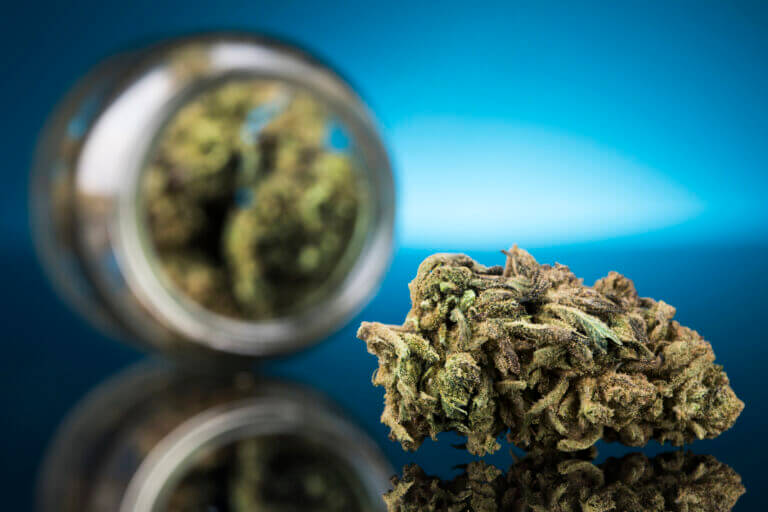
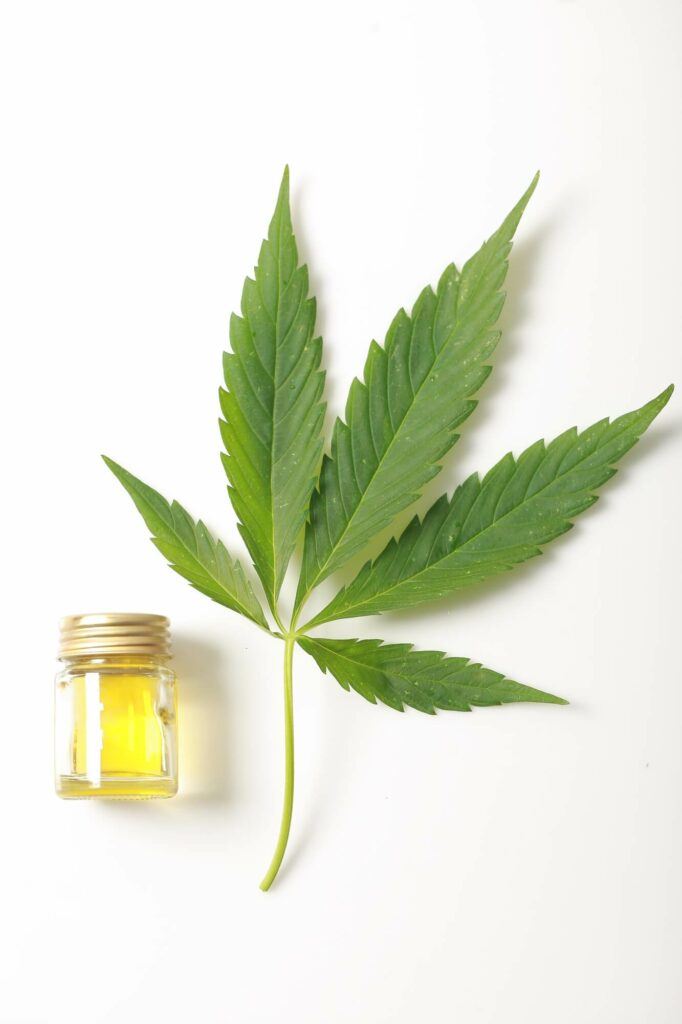
Many people have questions about marijuana and a couple of particular substances extracted from the plant, namely cannabidiol (CBD) and delta-9-tetrahydrocannabinol (THC). The purpose of this article is to briefly discuss some of the similarities and differences, indications for use, legality, and identify safety precautions by using any of these substances. Part I will talk about medical marijuana while part II will review CBD. THC has specific and limited medical indications and not the focus of these articles. 

A BRIEF HISTORY

Variations of the cannabis plant have been around for thousands of years, with evidence of its existence found in a small village in China, dating back to approximately 8000 BCE. The Chinese emperor, Shen Nung, in 2737 BCE described the powerful impact it had on treating patients that were described to have inflammatory disorders (rheumatism, gout, and malaria). The psychoactive response was noted, but at the time it was felt that the benefits outweighed the risks. This ancient medicine gradually spread to India, Africa, and then Europe. In fact, during Colonial times in the United States, hemp was a major commercial crop in the South. It was mainly a source of fiber used for textiles at the time. It wasn’t until 1890, that cotton became the major cash crop of the South.

By 1850, the United States Pharmacopeia described the practice of using marijuana for labor pains, nausea, and rheumatism. Again, the intoxicating effects of the plant were noted among patients and caught the eye of the U.S. Federal Bureau of Narcotics in the 1930s. At that time, the addictive potential of marijuana frightened the government and parents alike. Marijuana became symbolically associated with those who rebelled against authority in the 1950’s and just 20 years later, was classified (alongside heroin and LSD) as a Schedule I drug, having no medicinal use and the highest potential for abuse.

With this colorful history and longevity of marijuana, it’s easy to see why medical marijuana in the 21st century creates all sorts of questions. Is it safe? Is it addictive? How do we keep it out of the hands of teenagers? Has it been proven to be effective? What conditions can it treat? In what form and what dose?
Here are some main points to help improve understanding of medical marijuana, CBD, and what THC is.

MEDICAL MARIJUANA

What is it?

Traditionally, marijuana is smoked via hand-rolled cigarettes or pipes, can be vaped, or eaten in cookies or tea. Some users smoke or eat the concentrated resins or extracts, which contain higher amounts of marijuana’s active ingredients.

Marijuana contains more than 400 distinct chemicals that bind to various receptors throughout the body generating a multitude of effects. Marijuana has a combination of properties that decreases anxiety, produces a mild sedative effect, creates an expansion of consciousness, decreases the perception of pain, stimulates appetite, and creates a desire for more of the drug. Even though it is used to achieve feelings of happiness and relaxation, it may also cause anxiety or paranoia, forgetfulness, depression, scattered thought processes, and distortions in time.
We have abundant research analyzing the components of tobacco smoke but minimal data on the composition of marijuana smoke. We know that tobacco smoke contains more than 4,000 chemicals, with at least 50 of these compounds known to cause cancer. Smoking marijuana generates more than 2,000 compounds. It’s logical that the smoke components between the two will have many similarities, but are likely to have some striking differences. Until more research is done, it should be assumed that smoking marijuana increases the risk of developing multiple types of cancer.

Medical marijuana means different things in different states. In Utah, a summary of the current status of medical marijuana (or medical cannabis program) can be found at https://health.utah.gov/wp-content/uploads/MedCanFactSheet4-8-19.pdf

The medical cannabis program should be operational by March of 2020. It requires individuals seeking this treatment to apply for a medical cannabis card with their qualified medical provider (QMP) in the office through an electronic verification system. Qualified medical providers must complete certain education requirements in order to be allowed to prescribe medical cannabis. Providers are limited as to the number of patients they can have in the medical cannabis program and this form of treatment is only approved for specific conditions. Prescriptions must be filled at a central state pharmacy or a retail pharmacy that has applied for this privilege (the number of pharmacies allowed to apply is currently seven). Only certain dosages and devices will be available. Smoking and edibles are prohibited. The law limits who is allowed to possess or purchase medical cannabis (based on proximity to the pharmacy) and allows for a specific amount to be dispensed at one time.

What is it used for?

Since marijuana appears to impact almost every body system, it is used for a variety of conditions. It is typically used to help control chronic pain (although it is not strong enough for severe pain, ie: pain associated with kidney stones or post-operative). Marijuana appears to ease episodes of nerve pain associated with multiple sclerosis (MS), lessen tremors in Parkinson’s disease and may have potential benefits with people suffering from fibromyalgia, endometriosis, and interstitial cystitis. It has been used to manage nausea, weight loss, PTSD, glaucoma, irritable bowel syndrome, Crohn’s disease and wasting syndrome associated with HIV. Marketing claims in advertisements and on labels regarding its effectiveness should be viewed cautiously. Evidence of marijuana’s effectiveness in all these applications is waning.

Is it legal?

Medical marijuana is now legal in more than half the states throughout the country and in Washington DC. It is still illegal from the federal government’s perspective.
It is important to note that compliance with the Utah Medical Cannabis Act may not protect patients from liability for violations under federal law or the laws of other states.

Is it safe?

Probably, as it has been used for thousands of years, but it also obviously has some side effects and downfalls that need to be understood. It does affect the perception of space and time. It causes a decline in cognition, a delayed response time, impairs memory, and the ability to plan, focus, and carry out multiple tasks. Marijuana negatively affects coordination, judgment, and reaction time. The exact form and dose that should be used and for what condition is still not clearly understood. When looking at the addictive and overdose potential compared to narcotics, it is safer than opiates.

Summary

Medical marijuana does have therapeutic benefits and may carry less risk than traditional medications currently used. Inherently, it has some negative effects also, and the risks and benefits will need to be discussed on an individual basis with your healthcare provider. It will be legal to use in Utah, when specific conditions are met by the Spring of 2020, but is still considered illegal by the federal government. There is still a lack of rigorous scientific testing and research is ongoing.
Look for part II next week, to learn how CBD is related to marijuana and how it is used.

The National Academies of Sciences, Engineering, and Medicine has released a review of the evidence for the use of medical cannabis. You can download a FREE copy at
https://www.nap.edu/catalog/24625/the-health-effects-of-cannabis-and-cannabinoids-the-current-state

Resources

https://www.ncbi.nlm.nih.gov/pmc/articles/PMC5569602/

https://www.health.harvard.edu/blog/cannabidiol-cbd-what-we-know-and-what-we-dont-2018082414476

https://www.health.harvard.edu/blog/medical-marijuana-2018011513085

Gillespie, B. (2019) Marijuana: Ancient Medicine, the Devil’s Playground, or Medical Miracle? Elite Healthcare Nursing Continuing Education, 50-62.


Edit Your Life (Part 2)

Grow and Develop by Living in the Present

Part I of “Edit Your Life” introduced the various “pillars” of highly successful people which are based on balancing components of health, growth, and development, social relationships, and spirituality. Part I also posed a challenge to “edit your life” by taking an inventory of your habits and relationships. The author of the book Conquering the College Admission Essay in 10 Easy Steps had numerous recommendations for a solid application essay. Another consideration when writing a paper is to use the active voice to create more action and authenticity in writing. The active voice is when somebody or something performs the action, rather than having the action done to them.

For example: 

    Active: Jack and Mary adopted a dog from the pound.

    Passive: A dog was adopted from the pound by Mary.

    OR

    Active: The batter hit the ball over the fence.

    Passive: The ball was sent over the fence by the batter.

Life is too precious to let things just happen to us. You may not be able to control all the circumstances you find yourself in but you can control how you respond to them and what you learn from them. Albert Einstein is credited with saying, “Learn from yesterday, live for today and hope for tomorrow.”

Living in the present means to live with an attitude of gratitude. It means to remember some of the experiences you had when you were at recess on the playground back in Elementary School. Remember what it feels like to fall down and skin your knees, to be pushed down by someone bigger than you, or to have others cut in front of you in line. Remember what if feels like to be hurt or sad so you don’t cause harm to others and can have compassion for those who are experiencing pain, sorrow or loneliness. Learning from yesterday means to remember what it feels like to make it across the monkey bars all by yourself for the first time, to remember the exhilarating and carefree feeling of going very high on the swing and the rush of jumping off when the swing is at its full height. Remember what it feels like to have joy, laugh with your friends, or accomplish something that seemed too difficult or scary. These are just a few things that we need to experience when we are younger to help us cherish the present and hope for tomorrow.

Strive for personal growth and development. This may mean learning how to cook new food, teaching yourself a few simple phrases in a foreign language, setting a financial goal to get out of debt or starting a new business venture. Any of these objectives requires work and often includes a little bit of pain. Without pushing yourself, without stretching and working (hard!), you will never grow. Living in the present means to create the action. Not be acted upon.

Be present, wherever you are. Work hard when you’re at work. Be attentive when you are talking to your spouse or children. This may mean you have to stop folding laundry or doing the dishes to look them in the eye and truly listen to what they are saying. Put down your smartphone. Learn to communicate effectively and avoid impatience and intolerance. 

Don’t live in the past. If things have happened in the past that you aren’t proud of, or don’t want to remember, avoid the temptation to ignore and repress them. Allow past experiences to make you better, not bitter.

Gelb, the author of Conquering the College Admission Essay, says a good essay should revolve around some point of conflict and should offer some kind of resolution. He notes that we all have conflict; we all get into accidents, and bad things happen to everyone. The point is, how do we resolve the conflict in our life? How do we learn from the bad things that happen and grow from them? How does this give us hope for the future? 

If you’ve ever written an essay, you also understand that drafts are a necessary part of the process. That means we will make mistakes and fall short of our expectations at times. Remember to be patient with yourself. Congratulate yourself when you make a new recipe, even if it doesn’t look quite as good as it did in the book or on the YouTube video. Be proud of the work you’ve done and the ways you’ve improved. 

Writing an essay takes time and multiple revisions. It offers a way for us to learn by practicing and redoing. Life is the same. It’s a learning process. It’s an experience. Living in the present indicates that we should evaluate where we are at. Purposefully, make the way that you live today to give you and others hope for tomorrow.

III. Say what you really want to say

To write a captivating essay, Gelb points out that in writing, frequently “less is more” and recommends finding strong verbs to clearly and simply state the action. 

For example, compare these two sentences:

“Jim hung around the sidelines in a suspicious and resentful manner, casting unpleasant glances at Pete, who had taken his place in the lineup.” 

Listen to this clear and forceful modification. “Jim lurked on the sidelines, glaring at Pete, who had taken his place in the lineup.”

As you edit your life, evaluate your social relationships. Do you clearly communicate with those who are really important to you? Are your relationships fulfilling? Do those you hang out with make you want to be better? Do they make you feel good about who you are? Are you the type of friend or mother or spouse that you want others to be to you?

When editing a paper, it is helpful (almost essential) to read your work out loud. When you have to give a presentation at work, want to ask for a raise, need to have a serious talk with spouse or teenager, practice what you are going to say OUT LOUD before actually having the conversation. Your tone of voice, your facial expressions and how you say things speak much louder than the words themselves. Psychology studies estimate that only 7 percent of communication is conveyed through words. For important conversations, practice saying what you want to say because the words you use in your head may not sound as good when they actually come out of your mouth.  Once you spit out words, they never go away. Avoid saying something out of anger or spite that you can’t take back. 

Selecting the right point of view when writing is very important. For example, using a first-person perspective sounds personal, comfortable and grabs attention. “I couldn’t believe it when I saw him coming through the door.” Second person point of view is not common. “You sit down at the desk. You look at your paper. You freeze.” Third-person is like the Bible perspective. “And the Lord God formed the rib which he had taken from the man into a woman…” Do you see how this parallels to life? Your vantage point, your understanding of people and life will naturally come from your perspective. To really communicate, and hence understand socially, you need to be able to see things from the perspective of others. It will be easy to do for some people and a challenge for others.  However, learning the art of perspective will allow you to open your eyes and your mind to others in an enlightening and less judgmental way. Try to look at yourself at work, at home, and in the community from a different perspective.

Just like it’s hard to get started when you are assigned to write a paper, taking a different vantage point to relationships and communicating is sometimes difficult to initiate. Don’t worry, there is not a “perfect” paper and none of us are perfect but the more we work on emotionally connecting with people who matter the most to us, the easier it becomes.

Ask the right questions

Writing a good essay means writing about something you’re passionate about. Some provocative essay questions include: What do you consider to be your greatest victory? Have you ever felt betrayed? What is the funniest thing that has ever happened to you? What fills you with pride? A college essay is written to help you connect with other people, to understand a concept or nature better, to preserve a tradition, or reinforce a moral standard. Sometimes essays are written to confess or forgive, provide caution or simply entertain. Life is like this.  Ask the right questions about your health so you can better understand how your body works. By asking the right questions you will improve your quality of life, experience more pleasure, and feel a deeper meaning and purpose. This is broadly referred to as spirituality. Spirituality has different meanings and significance to each person. It generally includes a sense of connection to something greater than you and provides an increased perspective into the meaning of life.  This sense of aliveness and greater purpose tends to allow people to look outside themselves and work for something bigger and better. 

Successful people are generally good at incorporating all these key elements: health, growth and development, social relationships and spirituality. So take a moment to evaluate yourself and your life. Make the effort to edit your life and find the balance. Live for today and create a better tomorrow.

To get a well-polished paper, it requires several drafts and scrutinizing edits. You have to read through the drafts for different purposes. Read through the paper once to evaluate the concept, presentation, structure, tone, and flow of the paper. Read it again to look for spelling and punctuation errors.  Consider reading the paper backward so these types of errors are easier to pick out of the text. Use computer programs and expert friends to help you refine a paper. Be open to good feedback. All of these concepts apply to edit your life. Listen to your conscience and trusted friends when you need to “fix” something in your life. Live in the present and say what you really want to say to those you care about. Find a healthy balance in your physical, emotional, and spiritual health. Leave this world better, because you lived, and create a legacy of love for your friends and family.

Breast Cancer Screening Facts (Part 2)

Mammograms detect approximately 85% of breast cancers. If there is an area that can’t be seen clearly you may need additional testing. How does a radiologist use a mammogram? Watch Breast Cancer Screening Facts (Part 2) to learn more from Canyon View Women’s Care provider Kristen Wright, FNP.

Breast Cancer Screening Facts (Part 1)

Breast cancer is the most common form of cancer among women, with the exception of skin cancer. Find out how much early detection can impact a person’s chance of survival. Watch “Breast Cancer Screening Facts (Part 1)” to learn more.

Back to School Bedtime Routines (Part 2)

Learn how to be a role model for children in developing a healthy sleep routine. Learn the techniques to help your children benefit from the example you set.

Choosing The Right IUD

An IUD is a long-lasting reversible form of contraception. Find out if an IUD is right for you and if so, which type of IUD is your best choice.

How To Pick The Right Sunscreen

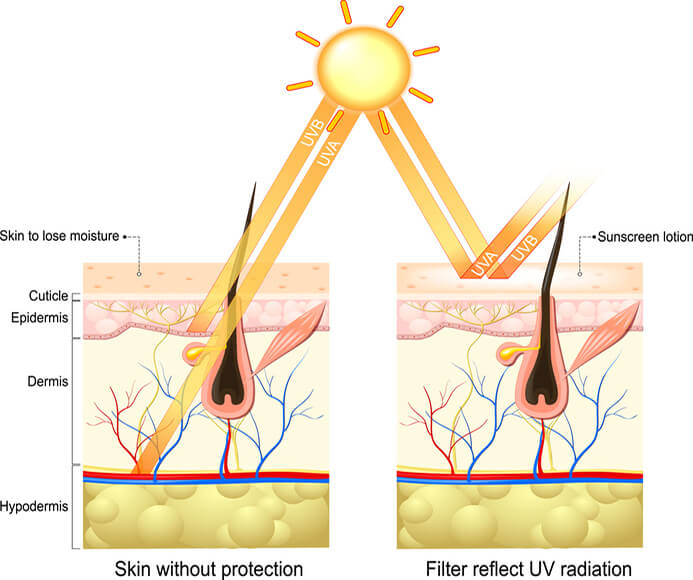
Whether you plan to spend the week on a houseboat at Lake Powell, the day at Bear Lake or an afternoon hiking Mt. Timpanogos, protecting your skin is important. As you look at the plethora of sunscreen formulations available at the store and online, it’s understandable that many of us are confused as to what is the best kind. A basic understanding of sunscreen labeling and how the sun affects our skin will help you choose the right protection for your family and your outdoor adventure.

The American Academy of Dermatology recommends selecting a sunscreen with an SPF of at least 30, with broad-spectrum coverage, that is water-resistant. 

Let’s look at what this really means.

SPF stands for sun protective factor.  It basically means that if your skin would start to burn after being outside for 30 minutes, a sunscreen with SPF of 30 would allow you to stay outside 30 times longer (900 minutes or 15 hours) before burning. SPF indicates how well a sunscreen shields unprotected skin specifically from UVB rays. UVB rays are primarily responsible for burns and promote skin cancer.  

  •       SPF 15 blocks 93% of UVB rays
  •       SPF 30 blocks 97% of UVB rays 
  •       SPF 50 blocks 98% of UVB rays 
  •       SPF 100 blocks 99% of UVB rays

(notice that you don’t get twice the protection from SFP 100 versus 50)

Even though an SPF rating above 50 sounds impressive, it isn’t very meaningful. 

The American Cancer Society recommends reapplication of sunscreen every two hours because most people don’t use enough sunscreen to start with, water or sweat makes the sunscreen come off and sunscreen isn’t truly “waterproof”.

As mentioned previously, SPF is a numerical rating of how well a sunscreen protects the skin from burning. So if you used a sunscreen with an SPF of 30, theoretically, you could play outside all day without getting a sunburn. However, most of us know that is not true. If you put sunscreen on your fair-skinned blonde toddler in the morning and never reapplied throughout the day, your child will be burnt to a crisp after spending a day at Seven Peaks! You could even use SPF of 100 and your toddler would still be burned. Sunscreens simply can’t block out all the damaging rays. They are not applied in a thick enough layer and are wiped off, washed off and sweated off.

Broad Spectrum protection means the sunscreen will protect against UVA rays. UVA rays have deeper penetration of the skin which leads to premature aging, including wrinkles and age spots. The SFP label specifically refers to UVB protection, however, according to the FDA, a BROAD SPECTRUM sunscreen will protect against UVA rays at about the same degree. For example, a sunscreen with SPF of 30 will not only block 97% of UVB rays, but it will also prevent 97% of UVA rays from penetrating the skin.

Water-resistant means the sunscreen is formulated to perform well even if you’re swimming or sweating. The FDA requires a specific test for sunscreen to be given this label and will rate the “resistance” level of sunscreen for a specific time frame, either 40 or 80 minutes. There is no such thing as “waterproof” sunscreen and labeling laws have now banned the use of this term.

Recognize that when you towel off, you not only wipe off the water, but also the sunscreen that was shielding your skin from ultraviolet rays. So, regardless of the water-resistance rating and time, you think you should have left …after drying off, you need to reapply sunscreen.

A few other important tips to remember:

  • Most people don’t use nearly enough sunscreen. For a person wearing shorts and a t-shirt on a warm summer day, an ounce (the size of a shot glass) should be applied. This amount should be reapplied every two hours. Make sure you pack enough for your hike or outing on the boat. Sunscreen should be applied 15 to 30 minutes before exposure.
  • Most sunscreens have a “use by” date stamped on the container, but a good rule of thumb is to discard any unused sunscreen after three years.  It is best preserved when it is stored in a cool dry place because heat and humidity hasten its demise.
  • Many people with dark skin forget to apply sunscreen or erroneously think they don’t need it. Although darker skin tones prevent a person from burning as easily, the skin can still suffer UV damage. It may also be more difficult to detect abnormal moles or discoloration and cancerous cells.  
  • Many times people think that getting a “base tan” at the beginning of the season or before going on a trip is a good idea. A “tan” occurs when the ultraviolet rays hit the skin, which causes the skin to produce more melanin in an attempt to darken the skin color and maybe shield some of the UV rays. A “base tan” may help minimize burns, but it is still causing skin damage. It is better to protect the skin from UV damage by using sunscreen, sun-protective clothing or shade.
  • Certain medications cause sun sensitivity and will promote sunburn more readily. Classic culprits include treatment for acne, some antihistamines or antibiotics, specific anti-inflammatory medications, and some herbal supplements. Read the cautions on your medication labels to avoid sun damage and burns.
  • MOMS, remember, the sun’s UVA rays penetrate glass, so you still need to apply sunscreen, even if you’re just chauffeuring kids back and forth to activities all day. 
  • If you wear foundation, apply sunscreen first and then put on your foundation. Many foundations do not have the broad-spectrum protection that you need. (Meaning they shield against UVB rays but not UVA rays.)
  • According to the American Academy of Pediatrics (AAP), babies under 6 months of age should be kept out of the sun or covered with protective clothing.  (Sunscreen may be used only on small areas, such as the face if protective clothing and shade aren’t available.) Remember, UV rays are reflected from shiny surfaces (like water) so hanging out at the splash pad may expose you or your child to direct rays from the sun AND the rays reflected off the water. 
  • Spray sunscreens should not be used on children because they may accidentally inhale some of the chemicals into their lungs. Because of the smooth application provided by sprays, many people don’t get enough sunscreen on their skin to provide adequate protection. Sprays can be handy for applying sunscreen over thinning hair or where the hair parts, but a hat will provide much better protection.   
  • Remember, children have thinner, more sensitive skin. This may allow them to burn more easily and damage by UV rays at an early age may dramatically increase their risk of serious problems later in life.

So be SUN SMART this summer. Have fun with your family and loved ones while protecting against damaging, discoloring and destructive UV rays.

Sources:

https://www.ncbi.nlm.nih.gov/books/NBK268889/

https://www.ewg.org/sunscreen/

https://www.theguardian.com/us-news/2019/may/22/chemicals-in-cosmetics-us-restricted-eu

https://www.fda.gov/cosmetics/resources-industry-cosmetics/small-businesses-homemade-cosmetics-fact-sheet#1

https://www.consumerreports.org/sunscreens/what-you-need-to-know-about-sunscreen-ingredients/

How Learning About Spiders Can Make Your World Better

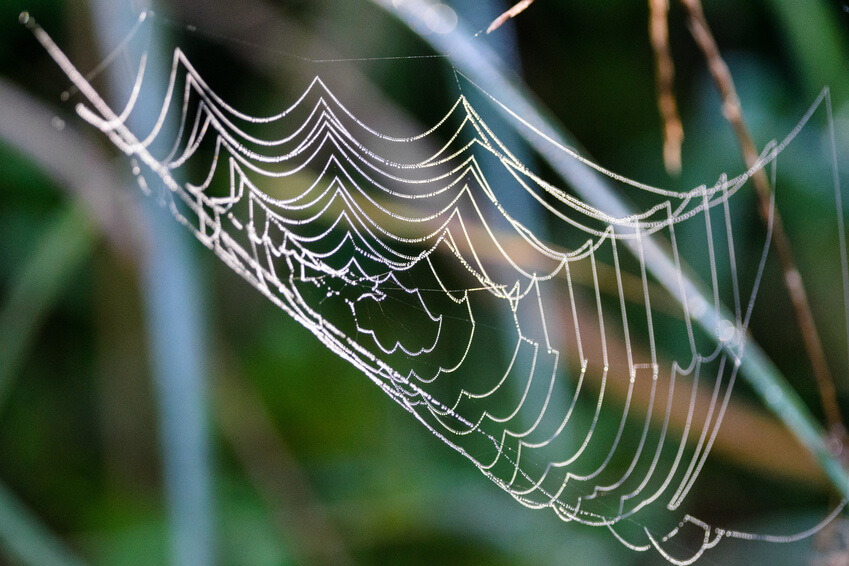
If you did a Google search for a list of the most common fears people have, it’s likely you’ll find spiders somewhere at the top of every list.  What is it about spiders that makes them so fearful?   Is it the long, creepy & hairy legs; their speedy, unpredictable movement that we catch out of the corner of our eye; or maybe it’s the visual image our mind creates of a helpless insect trapped in a sticky web just waiting to be bitten, wrapped in silk, then eaten….as the spider mercilessly crawls toward its victim?  Regardless of what it is that freaks you out, many of us have an overzealous fear of these small bugs.  However, the more you learn about spiders, the more you learn to appreciate them (…even if they still are creepy to you.)

Spiders have been around for 380 million years according to evolutionists.  The point is, they’ve lived A LONG time.  They’ve developed some very unique and effective systems to help them survive.  One of their well-known systems feared by humans, is the venom that is delivered through a spider’s mouth.  Interestingly, each species of spider has developed its own set of powerful chemical compounds and creates a “venom signature” made up of dozens or hundreds of chemicals that act in very different ways. Other animals have developed similar survival techniques, such as snakes, scorpions and specific reptiles. The venom produced by all of these creatures is made to disable and kill its prey.  Venom can cause minor to excruciating pain, can make the heart stop within minutes or turn fluid blood into jelly.  It can paralyze its victim or just eat flesh like acid.  All of this can be delivered through the tiny mouth of a spider.  Have you ever thought about how these natural chemical compounds may be beneficial though? Scientists are working on ways to harvest these powerful compounds and use them to our benefit.  High blood pressure is treated regularly with a medication that has been developed from the toxin produced by a viper in South America.  One way to treat type 2 diabetes is through using a toxin produced by a North American lizard and hospitals are creating a protocols to use an anesthetic developed from the toxin of a marine snail.  Since there are 350,000 species of spiders, each with their own venom signature, these creepy bugs are being studied to see if we can use the amazing chemicals they produce to create novel types of antibiotics to kill drug resistant infections and are looking for pharmaceutical applications to treat chronic conditions as well as acute illnesses. To some people, this may sound pretty far-fetched.  But think about it, don’t you think those spiders who live out in the dirt, under rocks and in in your drain pipes have developed some pretty good mechanisms to survive in those moldy or microbe infested places?

The thing is, we aren’t spiders. We are here to think, create, share, experience, explore, discover, embrace, help and love our planet and other fellow humans. Our mouths have the power to inject or convey powerful things too.  We can deliver venom that hurts and destroys those around us or we can speak words that are therapeutic, helpful and healing.

So….think about it.  What do you use your mouth for?

Is it toxic or therapeutic?

The next time you’re at work and your employee reports on a project assigned to him and you aren’t impressed…. avoid the urge to say “that’s kindergartner’s work” or tear up his report in front of the entire team.

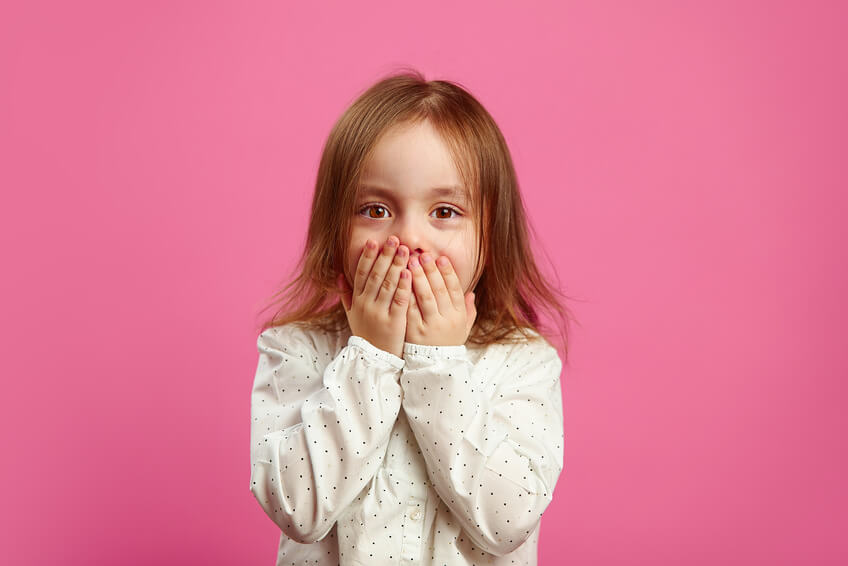
The next time your child or grandchild spills her bowl of sticky cereal on the floor….for the 6th time that day, take a second to think before you shout out toxic words that might condemn, belittle or hurt a delicate, impressionable child.

The next time you disagree with your spouse, take a TIME OUT before you say things that make him/her feel unimportant, used or disregarded and not listened to.  It’s interesting but very sad that often we say some of the most thoughtless and harmful things to the people we love the most.  My daughter shared a wise quote with me last year. She said “treat your friends like family and your family like friends”.  Think about it.  There’s a lot to this.

There is no doubt this is a challenge….to stop and think before we speak.  It will obviously be harder for some of us than others.  We all have our different talents and weaknesses. It is human nature to be a little selfish, to save face, to want to get the last word in and to want things done our way.  However, if you want to be happier, establish a home, a neighborhood and community of kindness, acceptance and tolerance, this type of training and treatment is vital.

Remember the old rhyme we used to chant as kids?
“Sticks and stones may break my bones but words will never hurt me.”

I beg to differ.  Words have the ability to hurt, break or even crush someone.

I remember when I was in 6th grade (a long time ago) I was assigned to work on a project with a girl in my class who was socially awkward and didn’t have many friends.  I was mad because I didn’t get to work on the homework assignment with “my” friends.  We were talking at lunch about what we were going to do for our project and who our partners were.  I rudely said that I couldn’t believe I was paired with this girl and immediately felt bad for the mean comment I’d just made (particularly, the tone of voice I had used).  Not a second later, I looked around to see if she was nearby and was horrified to see her just a few feet away.  She had heard every hurtful word I said.  She was a much better person than me.  Rather than retaliate with some rude comment, she just looked at me with a hurt in her eyes that I will never forget.  I tried to backpedal, but it was useless.  I couldn’t shove the words back in.

I learned a valuable lesson that day.  Words are powerful.  Words can’t be taken back….whether they are spoken, written in a “private” text or memo or plastered on social media.  Ever since that shameful action, I’ve tried very hard to think before I speak.  Life is hard enough.  I don’t ever want to contribute to making life harder for someone else.

I imagine most of us have said things that we didn’t really mean or didn’t know how harmful those words would be to someone else. So even though we aren’t perfect, TAKE TIME TO THINK before you speak.

…So what do you use your mouth for?

Is it toxic or therapeutic?

Choose wisely.

Resource information about spiders https://www.ted.com/talks/michel_dugon_spider_dust_and_scorpion_juice_are_bugs_the_future_of_therapeutic_drugs

resources
Recommended Books
Canyon-View_Provider_Bekah Platt
providers
Bekah Platt, FNP
801-853-3700
Family Medicine
Canyon-View_Provider_Taylor-Sorenson
providers
Taylor Sorenson, DO
801-798-7301
Family Medicine
providers
Courtney Rogers, LCMHC, NCC
Load more results