Got Milk? – Preventing Osteoporosis

May is National Osteoporosis Awareness and Prevention Month! This is a great time to pause and think about the health of one body system we sometimes take for granted: the skeleton!

The human body has 206 bones, and they are made up of active, living tissue. The health and wellbeing of your skeletal system is critical for getting you around to live your life, but we often don’t think about it until a bone breaks. Children and adolescents tend to have stronger bones made of cells that regenerate at much higher rates. By about age 30, our bone mass peaks and slowly decreases for the rest of our lives.

In addition to this bone mass loss that is a normal part of aging, some adults may develop a disease called osteoporosis. The disease results in excessive loss of bone density, causing the bones to become weak and brittle. It is sometimes called “the silent disease” because there are often no symptoms until a bone fractures. It is different from osteoarthritis, which is a painful joint disease. At least one in two women and one in four men over age 50 will break a bone at some point due to osteoporosis. This disease can cause pain, suffering, and loss of mobility if it progresses too far. Luckily, osteoporosis can be treated and even prevented!

Preventing osteoporosis is a topic near and dear to my heart – not just because as an OB/GYN PA I am keenly aware of how it disproportionately affects women, but also because my own grandmother suffered from osteoporosis. I watched her lose several inches of height as the disease caused her posture to become more and more stooped over time. Luckily, my grandma never broke any bones, but we were always worried about the potential of a life-altering injury if she had a fall. Because of my grandma’s experience with osteoporosis, my mom is keeping a careful eye on her bone health, and I am too. The best ways to prevent osteoporosis are to make healthy lifestyle changes and talk with your healthcare provider about appropriate screenings.

Everyone knows that we should eat a healthy diet and get regular exercise, but you may not know that these good habits can make you less likely to have bone problems when you are older. Since I am getting closer to the age where my bones will stop replacing themselves as well, I make sure to get plenty of calcium and vitamin D in my diet. These are the nutrients your body needs to build bone. You can get calcium through milk and dairy products, but also from things like leafy green vegetables, fortified breads and cereals, and supplements if necessary. For more information about how much calcium and vitamin D you need and how to get it, see the FDA website on recommended daily intake or talk to your healthcare provider.

My mom watches her diet, goes on daily walks, and plans to get a DEXA scan when she turns 65. A DEXA scan is a type of X-ray where we can measure how dense your bones are. If this testing shows that you are at increased risk for fractures, there are medications we can use to help build up your bones. All women 65 and older should have a DEXA scan, as well as anyone at increased risk of low bone density, which may include people with a history of long-term steroid use or a family history of osteoporosis.

No matter what stage of life you are in, you can make changes to improve your bone health. It’s so important I’ll say it one more time: make sure you are getting enough calcium! And don’t forget vitamin D. Live an active life and do some kind of weight-bearing exercise (like walking, running, aerobics, or resistance training) regularly to help keep your bones strong. Avoiding smoking and minimizing alcohol intake can also decrease your risk of developing osteoporosis. Stay up to date on regular health screenings including your DEXA scan if applicable. If you have been diagnosed with osteoporosis, make sure you have a plan for preventing falls. And as always, personalized medical advice is the best kind of advice, so talk to your healthcare provider about how to keep your skeleton healthy. 

For more information, please see: 

Blogs from Kristen Wright, FNP – https://canyonviewmedical.com/news-blog/going-break-hip-bone-health-part/

National Osteoporosis Foundation – nof.org

FDA – https://www.fda.gov/food/new-nutrition-facts-label/daily-value-new-nutrition-and-supplement-facts-labels

Pregnancy and COVID-19

While pregnancy can be a joyous time in your life, it can also bring nervousness and uncertainty. This is especially true during the ongoing COVID-19 pandemic. Many pregnant women have questions about how COVID-19 may affect their pregnancy or their baby. The knowledge we have about coronavirus and pregnancy is continually evolving, and continuing research will bring us more information.

At the current time, there is no evidence being pregnant makes a woman more likely to get COVID-19. However, pregnant women should be aware that they are at higher risk of severe symptoms if infected. Compared to non-pregnant women, women who are pregnant and sick with the virus are more likely to be admitted to the hospital, put on a ventilator, or require additional life support. Some data shows that pregnant women who test positive for coronavirus may be at increased risk for blood clots. It is recommended that pregnant patients hospitalized with the virus use blood thinners. Some experts even suggest that all pregnant women with COVID-19 should take blood thinners, but more research is necessary on this topic. Pregnant women are also at higher risk of dying from COVID-19 than non-pregnant women, although this is rare.

While we do not have a lot of information about how the virus may affect your baby in the womb, some research has found that pregnant women with COVID-19 are more likely to have preterm labor and delivery. Current data shows that exposure to the virus does not increase the risk of birth defects. While it is unknown exactly how often the virus may be passed from mother to baby, there is likely a small risk of this happening if a mother is COVID-positive at the time of delivery. Most newborns who test positive for COVID-19 will have no or mild symptoms.

Due to these risks and unknowns, pregnant women should be extra careful about protecting themselves from the coronavirus. Wear a mask when you are in public areas, and practice social distancing with people who are not part of your household. Wash your hands frequently, limit travel, and avoid activities where it may be challenging to protect yourself. You may need to be creative about approaching your pregnancy, such as hosting virtual parties instead of standard baby showers and family events. You should also be aware that your hospital may require testing for COVID-19 before delivery and limit the number of people who can visit you and your baby at the hospital.

You should continue to receive prenatal care throughout your pregnancy according to your provider’s recommendations. If you develop symptoms of COVID-19 during pregnancy, such as a fever, cough, or loss of taste or smell, it is essential to let your healthcare provider know. They can give you more information about testing and treatment. While it may be a stressful time to be pregnant, know that we are here for you both during and after your pregnancy to answer your questions, and take care of you and your baby.

References:

CDC

“If You Are Pregnant, Breastfeeding, or Caring for Young Children.” Centers for Disease Control and Prevention, Centers for Disease Control and Prevention, 3 Nov. 2020, www.cdc.gov/coronavirus/2019-ncov/need-extra-precautions/pregnancy-breastfeeding.html. 

Mayo Clinic

“Understand How COVID-19 Might Affect Your Pregnancy.” Mayo Clinic, Mayo Clinic, 5 Nov. 2020, www.mayoclinic.org/diseases-conditions/coronavirus/in-depth/pregnancy-and-covid-19/art-20482639. 

6 Things to Know Before Trying to Get Pregnant

Preparation is key to running a successful race. Getting pregnant is similar. Preparing for pregnancy is very beneficial to the outcome. Watch Canyon View Women’s Care provider, Kristen Wright, FNP to learn what can be done to be ready for the big event of pregnancy.

Rapunzel, Rapunzel, where is your hair?

Mother Gothel, from the Walt Disney Classic, Tangled, went to extreme lengths to get the hair that she wanted. She secretly discovered the anti-aging capability found in a magic flower that was transferred to the long, gorgeous locks of Princess Rapunzel. Gothel tried to take a piece of Rapunzel’s hair to steal the magic and remain young forever. Cutting Rapunzel’s beautiful blond hair was not the answer, because the magical anti-aging power disappeared when her hair was cut. Gothel was selfish and desperate. She abducted the newborn, brainwashed Rapunzel, and eventually locked her in a tower to “protect” her.

The story depicts how Rapunzel eventually escaped, used the magic properties in her hair to heal a friend, and then discovered the truth….that she was the lost princess of the kingdom. Even though our hair doesn’t have magical anti-aging and healing properties like Rapunzel, our hair is significant. It represents our personality, adds to our style, and is part of our identity. Hair thinning, loss, or balding is very distressing. And it doesn’t just happen to men.

Alopecia, or hair loss, has many causative factors. It may have genetic roots or be the result of certain hair products or styling practices. It may be caused by a systemic health condition, be a reaction to stress, or stem from an autoimmune disorder. Hair loss can be diffuse or patchy, temporary, or permanent. The treatment is dependent upon the precipitating cause. Addressing the reason for hair loss more quickly tends to help decrease personal anguish, improve quality of life, and facilitate treatment outcomes.

Abrupt onset of overall hair loss and thinning can often stem from a specific, traumatic event. Telogen effluvium occurs when the hair’s growth phase is prematurely cut short and more hair than usual is forced into the telogen or “resting” phase. Hair is typically in the resting period two to four months before it falls out and is replaced by new hair. This means hair loss may not be very noticeable until two to four months after the precipitating event occurs. Telogen effluvium is characterized by clumps of hair that comes out in the shower or with brushing. It is usually self-limiting, and hair regrowth should be visible within two to six months. Since hair growth on the scalp is slow, hair may feel or look thinner for a while, but as the new hair comes in, fullness should be restored. Common causes of this type of loss include:

· Surgery

· Significant weight loss

· High fever or severe infection

· Emotional stress

· Extreme physical trauma

· Dietary changes, including iron deficiency

· Certain medications

· Abrupt hormonal changes

Classic telogen effluvium is noticeable in the postpartum period, about three to four months after giving birth. The trauma of delivery and significant hormonal changes sometimes leaves a woman wondering if she is going bald. Proper nutrition and time are typically all that is needed to recover from this situation. Most women will notice fullness returning within six to 12 months. Perimenopause is another classic time that women may see drastic thinning or loss. The decline in estrogen and progesterone at this time may slow hair growth and make shedding more pronounced. Increased androgens that may occur at this time also cause hair follicles to shrink and accentuate hair loss. This, too, should stabilize with time.

Telogen effluvium that occurs with hormonal changes should be differentiated from a familial condition called androgenic alopecia. This type of hair loss is gradual and progressive. Men have a classic balding pattern, which includes a receding hairline at the forehead and temporal regions on both sides. They also experience hair loss on the crown of the head. Women can experience similar progressive loss, which may start in their 20’s or 30’s. It is called female pattern hair loss and typically caused by elevated levels of DHEAS (indicating a high testosterone level). The pattern of loss is different compared to men. Women may see their part widening and notice a feeling of thinning at the top of the head. Minoxidil cream can be used by men and women to improve hair growth; however, hair loss recurs when treatment is discontinued.  

Women are vulnerable to over-processing their hair with heat, styling products, or tight hairstyles. Pulling, bleaching, or chemicals may cause trichorrhexis nodosa. This is when the hair suddenly breaks from trauma and can happen at the root or anywhere along the hair shaft. Once the offending agent or practice is stopped, hair should recover and regrow.

Alopecia areata is hair loss that typically results in bald patches and stems from a problem with the immune system. It only affects a small percent of the population but is not limited to age or gender. A skin biopsy may be required to help diagnose this condition, and loss can be temporary or permanent. A high rate of spontaneous remission and hair growth can often be seen within one to three months; however, loss at this site may recur. Local steroid injections may be beneficial in suppressing inflammation and allow for regrowth.

Local skin infections, systemic conditions (i.e., thyroid disease), or metabolic disorders may contribute to hair loss. Psychiatric disorders, such as hair-pulling or trichotillomania, can also cause bald patches or diffuse thinning.

Chemotherapy is classically known to cause significant loss (called anagen effluvium). Regrowth typically begins within three to six weeks of finishing treatment; however, color or texture changes may occur in the new hair.

Rapunzel is a fairy tale. Even though our hair doesn’t magically heal our wounds or keep us young forever, we may feel or look older if we experience significant or early hair loss. Many causes of hair loss are self-limiting and reversible. It is essential to have an examination done, discuss your personal and family history with your provider, and do further testing to address hair loss adequately. Talk to your provider if you are concerned about your hair.

More information may be found at:

American Family Physician, Hair Loss: Common Causes and Treatment https://www.aafp.org/afp/2017/0915/p371.html#

Could Intermittent Fasting Help You?

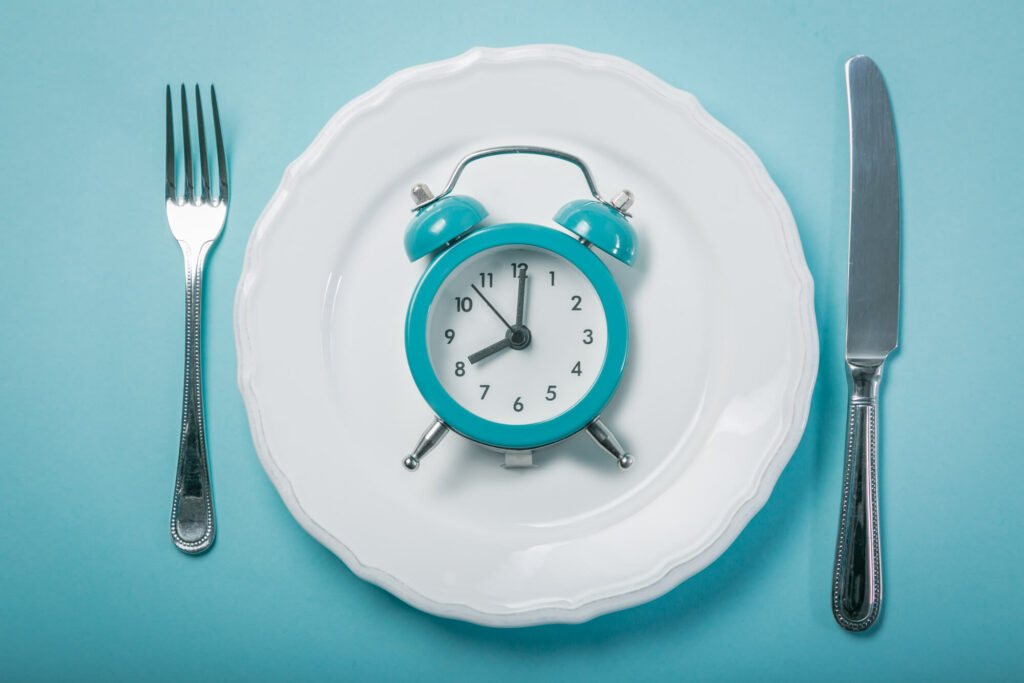
The thought of fasting may invoke feelings of dread or moans and complaints, but the principle could deliver some potent health benefits. Intermittent fasting may be the key to helping you prevent and treat diabetes and lose weight.

What is Intermittent Fasting?

Intermittent fasting means choosing when to eat and when to abstain from food. It is deliberate and controlled. Cycling between eating and fasting helps to regulate the hormones that control glucose metabolism and fat storage. Intermittent fasting allows the body to draw energy from fat cells, which leads to weight loss.

Intermittent fasting is still somewhat controversial but can provide significant health benefits when used appropriately. It is not for every person or everybody.

How Does It Work?

To understand how periodic fasting works, you must appreciate the basics of digestion – energy consumption, storage, and some of the key hormones associated with regulating these processes. 

Food is broken down into smaller pieces in the digestive system so the nutrients can be absorbed into the bloodstream, then distributed throughout the body. Carbohydrates (like bread, pasta, cauliflower, and carrots) are sugar molecules that are chemically combined into long chains. Proteins (for example, meats and nuts) are made up of amino acids, and fats are composed of individual fatty acids. All are essential to the body. Since carbohydrates are made of sugar molecules, they are broken down into smaller pieces of sugar, called glucose. Glucose provides the energy that all cells need to function correctly.

This glucose (or energy) must either be used or stored. Insulin is the hormone that tells the energy where to go. It is the driver that controls whether glucose is pulled into the cells for immediate use or whether it will be stored in long or short-term storage locations. Glucose is initially stored short-term as glycogen in the liver and muscle cells. This storage location has limited space but is easy to access, and glycogen can quickly be converted back to its usable form of glucose.

When short-term storage is full, there is long-term storage with virtually unlimited space, but it takes a little more work to retrieve. This energy is stored in the fat cells. When there is an abundance of glucose in the bloodstream, and glycogen storage is full, glucose is pushed into fat cells. When fat cells are stuffed to capacity, the body can make more fat cells to store the energy. It’s a fantastic survival technique, but not necessary in our current society.

Compare it to heading to the airport to catch a flight. You can either be dropped off at the doors and head into the terminal immediately or have to go park. If you have to park a vehicle, you can go to short-term or long-term parking. The long-term lot has more space but is a little harder to reach. It takes more time and effort to catch the shuttle and get back to the front doors of the airport terminal to get to your desired location ultimately.

 When the body needs more energy, the short-term storage of glycogen will be used first. Glycogen stores can supply approximately 24 to 36 hours of energy. If the demand for glucose continues without new glucose coming in (as in the fasting state), the body will switch over to pulling from long-term energy storage in the fat cells. This is how intermittent fasting helps with weight loss. It forces the body into breaking down fat to use as energy. This is a more complex pathway, so the body only does it when it is required.

What Is Insulin Resistance?

Insulin resistance occurs when there are constantly elevated levels of glucose in the bloodstream. The body responds by secreting more insulin, but the cells don’t listen very well to what insulin (the driver) says. This often occurs when large amounts of carbohydrates are consumed (particularly simple carbohydrates), and there is a lack of physical activity. Muscle cells require a lot of energy, especially with exercise, so if there is less activity, there is a diminished need. Insulin resistance means there is more insulin in the system; hence there is a higher capacity to store incoming glucose. Since glycogen storage is limited, it often goes to long-term locations and is stored…as fat.

How do I do Intermittent Fasting?

SHORTER FASTS are often done most days of the week. This means limiting meals to an 8-hour window during a 24-hour time frame, for example, eating between 11:00 and 7:00 pm. The eating period could also be limited to 4 or 6-hours, depending on what works for you. It takes two to four weeks to adapt to this new way of eating, but most people report increased energy, focus, productivity, and they feel “leaner” after a month.   

LONGER FASTS are done less frequently, generally two to three times per week, and involve just once a day eating. For example, eating dinner on one day and skipping all meals and snacks until dinner the next day. An alternate regimen includes regularly eating five days a week and mostly fasting two days per week. On the two fasting days, 500 calories per day may be consumed, either as one meal or spread throughout the day. A low-carb diet on the “normal” days will make fasting days easier to maintain. It is important not to binge during non-fasting times. Fasting more than 36-hour should be supervised by a medical professional.

Normal activities (including exercise) should continue, even on fasting days. If you participate in long/endurance-type workouts, however, you may benefit from eating before exercise. Fluids are still essential to maintain during fasting, but they are typically limited to water, coffee, or tea (without sugar or artificial sweeteners) to get the benefits of decreased insulin. If whole food categories are removed from your nutrition plan, remember to get the necessary vitamins and minerals from another source. The body tends to absorb these nutrients best from natural food sources, but a multivitamin or supplement may be required.

Conclusion

Weight control, appetite, and glucose metabolism are complex processes that involve multiple hormones and body systems. Insulin, however, is a significant player. Intermittent fasting may be the answer to helping you lose weight and improve overall health, especially if you exhibit signs of insulin resistance, pre-diabetes, or a condition called metabolic syndrome. Talk to your provider if you have questions.

Resources

The Obesity Code by Jason Fung

https://www.dietdoctor.com/intermittent-fasting

Intermittent Fasting: Transformational Technique by Cynthia Thurlow

Reversing Type 2 diabetes starts with ignoring the guidelines by Sarah Hallberg

Achieving a Healthy Weight is Not a Race!

During my senior year in high school, I joined the newly organized rowing team. I rowed in an 8-man shell, and since we faced backward, we had a coxswain to direct us.

The coxswain was the leader of our shell (a long narrow rowing boat), who would yell “stroke” to keep us pulling the oars in sync and help steer us to stay on the course. Some days the water would be smooth, and other mornings it was a challenge to cut through the choppy water and battle the wind. It was a magical experience when we were all in rhythm with each other, and the elements were cooperative.

We attended a Regatta in Canada with tight weight regulations, and to my huge disappointment, at the weigh-in station, I was too heavy and wasn’t allowed to row with my 4-man team. I was embarrassed and felt like a failure.

This failure knocked my self-esteem, my motivation, and interfered with my social interactions for a while. To some people, this exaggerated response to one incident may seem ridiculous. To others, you’re probably saying, “I get it.”

The truth is, about 4 out of 5 of us will need to be thoughtful about what the scale says at some point in our lives. Weight may have been a concern when you went through puberty, or maybe you were lucky and didn’t have to think about it much until you were older. Regardless, the majority of us will have to adapt to lifestyle habits: how much and how often we eat and adjust our physical activity to maintain a healthy weight. Even if you don’t significantly change your diet or exercise habits, your body may be changing, which means YOU have to adapt to the new you.

Traditionally, the foundation for weight loss is based on the calories in/calories out model. If you want to lose weight, you have to eat less and move more. Fundamentally correct, but there is a lot more to it than that. Like rowing in a competitive race, many factors play a role in weight control and overall health. Anyone who has studied nutrition and weight control, or has personally tried to lose weight knows that it is complicated!

When rowing, we depended on our coxswain to keep our team working and our shell on the right course when rowing. For weight control, insulin works a little like a coxswain. This hormone tells our body that glucose, used as energy for individual cells, is available and helps the glucose into the cells that need it. Glucose is supplied to every cell in the body for thinking, working, exercise, healing, etc. The other function of insulin is to store glucose for future energy needs. In other words, insulin is a storage hormone, which causes the body to store fat.

Insulin resistance occurs when insulin levels are consistently high, and the cells “don’t listen” to insulin very well. Sugar remains in the bloodstream; thus, releasing more insulin and storing more fat.  This becomes a vicious cycle that requires a different approach to weight loss, one that decreases insulin in the bloodstream, hence hormonally influencing the body to burn fat rather than store it. Intermittent fasting is one very effective way of doing this. 

Intermittent fasting may be a new concept to you. Seeing results will take time. Pay attention not only to what you are eating but also when you are eating to help the complex systems that regulate your weight to work more effectively, efficiently, and in harmony.

To have a satisfactory race when rowing, we had to listen to the coxswain, be in tune with each other, and adapt to the elements. We made adjustments as conditions changed. Our coxswain helped us work together and course-correct when we weren’t going in the right direction. Weight control is a lot like this. It is a multifactorial system that requires coordination and cooperation with nutrition, physical activity, and hormones. So ask yourself – as your body or conditions change, are you making the appropriate adjustments to maintain a healthy weight? Eating foods that are close to their natural state, in the proper amount, and at the right time will help the hormones that regulate weight work in harmony with your body. Intermittent fasting may be the course-correction you need to be healthy at a normal weight. Talk to your provider to see if this is something that may benefit you. 

If you want to learn more about these principles, here are a few resources.

The Obesity Code by Jason Fung

https://www.dietdoctor.com/intermittent-fasting

Intermittent Fasting: Transformational Technique by Cynthia Thurlow

Reversing Type 2 diabetes starts with ignoring the guidelines by Sarah Hallberg

Green Exercise

Feeling cooped up and tired during the quarantine? The answer to the problem is Green Exercise! Get outside and feel the “magic”. Watch and learn more about the miracle of Green Exercise.

Working from Home Efficiently

Since the COVID-19 pandemic has entered our life’s many of us have had to work from home. Learn some helpful tips about how to work from home efficiently from Kristen Wright, FNP, Canyon View Women’s Care.

Keeping Control of Your Life During the COVID-19 Pandemic

Most of us have been on a roller coaster before and remember the dread, anticipation, and fear of going up the first massive hill on the coaster. It seems like the uphill climb takes forever, and we usually can’t see when we are going to crest the hill and start falling. The whole coronavirus situation feels a lot like this. It seems like we keep going up and up and don’t know when we are going to reach the end of or the worst of it, and the situation will start to resolve. COVID-19 is an entirely different situation, however. There is no thrill, no fun, no excitement, and zero desire to repeat this ride. Since our country and the entire world are already on this journey and the coaster isn’t going to stop midstream, one positive perspective will be to recognize we are all in this together, and if we can unite, we have the potential to learn something from this.

Professionally and personally, we have all been affected by the coronavirus. It is human nature to be fearful of things we don’t understand or can’t control. Rather than living in fear, choose to have faith, and live with hope. As scientists, medical teams, and experts in all fields of life tirelessly research, plan, care for affected individuals, and lead us through this coronavirus challenge, we are confident we will have better tools to treat and fight this illness. In the meantime, use this opportunity to look at your health habits and beliefs. Here are a few pointers to get you started as you recognize, remember, and reset your goals in life.

1. Physical

What are your hygiene habits?

Do you wash your hands appropriately? Before you eat, after using the restroom (and maybe before), after being outside or out in public?

Do you frequently touch your face? If so, do you avoid the mucous membranes of the mouth, nose, and eyes? Doing so significantly decreases the spread of many illnesses. Not touching the face may take more effort for those who wear contacts, have allergies, or are “pickers.”

What are your attitudes towards health?

Do you get your preventive screenings and examinations routinely?

Do your health habits support your immune system?

Do you get regular physical activity?

Is the most significant portion of your diet a wide variety of vegetables and fruits? If you avoid or can’t tolerate entire food groups, do you take a multivitamin or supplement to get the nutrients that are missing from your diet?

Do you limit processed and calorie-laden foods?

Do you “double-dip”? (for example french fries into fry sauce or veggies in ranch dressing)

Do you share cups, straws, drinks, meals, or utensils with multiple people?

Do you recognize the value of sleep?

Do you prioritize your goals and minimize idle time and distractions so you can get adequate rest? (i.e., social media, gaming, internet searches, and shows)

Do you smoke or vape? Since COVID-19 attacks the respiratory system, eliminating this habit may save your life. Smoking cessation is very challenging for many people but is one of the single best things you can do to improve your health. 

2. Environment

Do you regularly launder kitchen towels and sponges?  Bathroom and hand towels?

Do you routinely leave food out on the countertop or dirty dishes in the sink, where microbes have the opportunity to grow?

Do you have a cleaning schedule?

Do you regularly sanitize items that are frequently touched? (i.e., door handles and cabinets, light switches, phones, remotes, computer equipment, etc.)

Do you regularly wash pillowcases, socks, clothing, and blankets?

Do you pick up food, papers, and wrappers, particularly in dark or moist places where bacteria can thrive?

Do you practice CLEAN cooking principles? https://health.gov/our-work/food-nutrition/2015-2020-dietary-guidelines/guidelines/appendix-14/

These are things that children and all family members should be taught and expected to take responsibility for in their living environment.

3. Meaning

When illness or death strikes a loved one, our mortality may seem threatened. This threat can provide increased motivation to look for purpose in your life. What truly is important to you? Do your words, thoughts, actions, and behaviors reflect this?

Can you use this interruption of lockdown and distancing as a tool to help simplify your life? Even if you miss the sporting events, numerous extracurricular activities, lessons, and business of life try to allow this jolt to reshape how you budget your time in the future. 

How are your relationships?

We all have the same amount of time in 24 hours. How do you spend your time? 

How often do you think about others?

Research has shown that people who serve others live longer and find more meaning in their life. Do you give your time or resources to help and serve others?

Are you grateful? (for example: for teachers, toilet paper, and water)

Are you continually learning?

Are you continually growing?

During this time of social distancing, be creative in finding ways to connect with those who are important to you. Some types of personal visits may be appropriate. Use technology to FaceTime or Skype loved ones and grandparents, rebuild relationships with old friends, use your phone to actually talk to someone, etc.

4. Preparation

The Federal Emergency Management Agency (FEMA) is associated with the Department of Homeland Security and is responsible for coordinating the federal government’s response to natural and human-made disasters. FEMA safety experts recommend storing 72 hours of survival supplies (up to 96 hours). Are you prepared? https://www.ready.gov/kit

Do you have basic food, cleaning supplies, and toiletries?

Do you have adequate clothing, a plan for temporary sanitation, and an idea of how to heat your living environment?

Do you have methods for water purification and possibilities to cook if the power is out for an extended period?

Do you have finances reserved for an emergency?

Do you have a method to communicate, along with a specified contact person for your family and key information written down? (i.e., phone number and address)

Money and storage space needs consideration, and I’m not talking hoarding supplies. As a general rule, anything in excess is probably not a good thing. Emergency preparedness can be an overwhelming project and currently, resources are limited and many states are on lockdown. Our current situation is not the time for shopping and potential exposure. Now is a great time to evaluate the needs of your family (which is different than wants and what you’ve become accustomed to) and what supplies or preparation your family needs for future emergencies.

5. Emotions

How do you handle stress?

Have you rehearsed coping techniques so that they can benefit you in a stressful situation? (For example, guided imagery or deep breathing exercises. You have to practice methods of relaxation when you don’t feel stressed in order to manage well in an acutely stressful situation.)

Who is your support system? (family, neighborhoods, church groups, friends, community resources, support groups, etc.)

Look for opportunities to express gratitude, find ways to laugh (which creates endorphins that make us feel happy), and alternate routes to connect with loved ones.

You can’t control all the circumstances and situations around you, but you can control how you respond to them. You get to write your own story and create the person you want to become.  Take this challenge to become a better person. Recognize what you are doing well and what you can do better. Remember the things you were taught about hygiene and sanitation but also about connecting, supporting others, and being able to see things from a different perspective. Find something every day to be thankful for and take this opportunity to reset and replace bad habits and unhealthy thought processes with better ones. COVID-19 has the rush of a roller coaster ride but in a whole different and potentially life-threatening/life-altering way. We will get through this together. 

Here is another great article from a colleague, Tracy Frandsen, MD, Canyon View Family Medicine. Dr. Frandsen’s article talks about how we can all find peace in unsettling times like those we now see

Medical Marijuana and CBD: Miracles or Menace? (Part 2)

What is CBD?

Cannabidiol (CBD) is an essential component of medical marijuana but is just one of the over 100 active components found in the plant. (Of note, tetrahydrocannabinol or THC is one of the main chemicals that causes the “high” that goes along with marijuana use. It is fat-soluble after ingestion and is quickly distributed to fat tissue, the spleen, liver, and lungs.) CBD by itself does not cause intoxication and doesn’t have addictive potential, according to reports from the World Health Organization.

CBD can be extracted from the marijuana or hemp plant. The vast majority of CBD on the market is derived from the hemp plant, which is a cousin of marijuana. (They are both in the Cannabis family.) It is interesting to note that the two plants are produced very differently. Marijuana is bred for high concentrations of psychoactive content (THC) and grown in different ways to selectively maximize these qualities. Hemp is grown to generate fiber and seeds and other common items while containing only traces of psychoactive compounds. Industrial hemp is versatile, durable and sustainable. It grows quickly, in various environments, and doesn’t require pesticides. In fact, hemp actually benefits the soil by removing toxins.

What is it used for?

CBD is typically used by people suffering from anxiety, insomnia, certain types of chronic pain and spasticity. CBD may help decrease pain and inflammation from arthritis and may help treat neuropathic pain. It has been shown to be effective in treating certain types of epilepsy in children.

Is it legal?

The federal government still considers CBD in the same class as marijuana, although the DEA enforcement efforts tend to target criminal activity. Each state has its own laws regarding CBD with varying degrees of restriction.

Is it Safe?

A review of the literature, which is a thorough summary of previous research on the topic of CBD was done. The purpose of this review was to summarize, objectively evaluate and clarify previous research related to the safety and side effects of CBD. Overall, they found that CBD is safe. The authors of the review acknowledged that the European Industrial Hemp Association commissioned and paid them to do this comprehensive review. Most of the studies had some limitations that should be noted. Some studies were only carried out for a few weeks or contained only a small number of participants, hence extracting the safety of long term use or generalizing results to the population as a whole is difficult to do. The studies in the review had minimal data looking at the effect CBD has on the immune system or hormones. CBD has been shown to increase the level of Coumadin in the bloodstream and blocks the ability of certain enzymes to break down medications for proper elimination (using the same mechanism that grapefruit juice does to alter the metabolism of certain medications). This may cause the level of the medication in the bloodstream to rise, leading to potential side effects or toxicity.

CBD is typically used orally or topically. The most common side effects when CBD is taken by mouth are nausea, fatigue, and irritability.

The biggest concern is that CBD is marketed and sold as a supplement, therefore the FDA doesn’t have the ability to regulate and ensure the purity or safety of the supplement you may be taking. There is no guarantee that the product you buy has any of the active ingredients listed on the label or in the dose they say it is. A supplement may contain various unknown elements, which could have unfavorable effects, also.  

Without proper studies, we don’t know the therapeutic dose of CBD for specific medical conditions nor the upper limit in order to prevent or minimize side effects.

Summary

CBD may be an effective way to help manage insomnia, anxiety and chronic pain but more high-quality studies are necessary.  Be thoughtful and steer away from companies that claim it is the cure-all for almost everything. You should discuss over-the-counter medications and supplements you are taking with your provider to avoid drug interactions, potential side effects or toxicity.  

Conclusion

It is understandable that many patients are embarrassed to bring up the topic of medical marijuana or CBD with their health care provider.  Many physicians and clinicians have not embraced the concept of medical marijuana or CBD because there aren’t rigorous studies and proof of the benefits and risks.  There are side effects and potential drug interactions. However, individual providers are learning and doing their own research to understand the applications of its use.  Be open and honest with your provider. Be willing to discuss all types of therapy and medications and cooperatively make the best decision regarding the treatment of your symptoms or condition.

Resources

https://www.ncbi.nlm.nih.gov/pmc/articles/PMC5569602/

https://www.health.harvard.edu/blog/cannabidiol-cbd-what-we-know-and-what-we-dont-2018082414476

https://www.health.harvard.edu/blog/medical-marijuana-2018011513085

Gillespie, B. (2019) Marijuana: Ancient Medicine, the Devil’s Playground, or Medical Miracle? Elite Healthcare Nursing Continuing Education, 50-62.

https://www.healthline.com/nutrition/cbd-oil-benefits#section1

https://www.medicalnewstoday.com/articles/320984.php#1

Canyon-View_Provider_Bekah Platt
providers
Bekah Platt, FNP
801-853-3700
Family Medicine
Canyon-View_Provider_Taylor-Sorenson
providers
Taylor Sorenson, DO
801-798-7301
Family Medicine
providers
Courtney Rogers, LCMHC, NCC
providers
Jeanette Broberg, ACMHC
Load more results