
Skin Protection – More Fun in the Sun

Spring – a common time for sunburn

Spring is a wonderful time of year for many reasons. The days are getting longer, the winter illness season is coming to an end, and many outdoor activities are beckoning once again. However, it is also the time of year when many severe sunburns occur. There are several reasons for this:

  1. Many people’s skin is quite pale after the long winter, and more vulnerable to burn.
  2. The air is generally cooler than in the summer, so it is more difficult to feel when a burn is occurring.
  3. The sun is getting higher in the sky, so the rays are becoming more direct, and are therefore more likely to cause skin injury.
  4. Spring sports and yard work can abruptly increase the amount of time people spend outdoors.
  5. Some people are anxious to get tan after winter and try to do it all at once.
  6. While we associate many summer activities with the need for sun protection, spring activities often don’t trigger this thought.
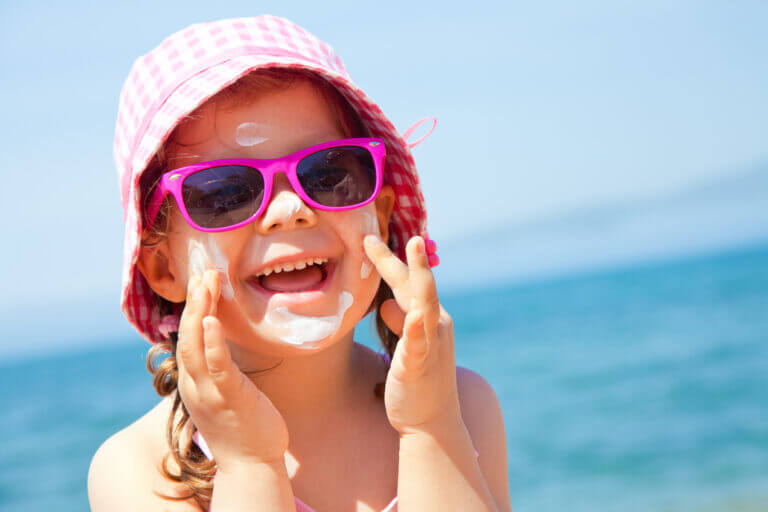
Preventing sunburn is important

There are many health hazards associated with sunburn, the most serious of which is the aggressive form of skin cancer known as melanoma. Occasionally, this type of cancer is diagnosed in people in their teens. Exposure to the sun’s radiation increases the risk of genetic mutations in our skin cells which can lead to this dreaded condition. 

But that’s not the only reason to avoid getting burned. These are true burns and can range in severity from superficial first degree burns with only mild discomfort, to deep second degree burns with blistering, extreme pain, and sometimes permanent skin changes. The younger a child is when sunburn occurs, the more severe the damage is likely to be. 

Another concern with sunburn is the increased risk of other heat-related injuries. Someone with a severe sunburn is more likely to suffer heat exhaustion or heat stroke, which can lead to severe illness and even death. Occasionally, sunburns can affect a large enough portion of the body to cause the serious conditions associated with other significant burns, including susceptibility to infections and temperature regulation problems.
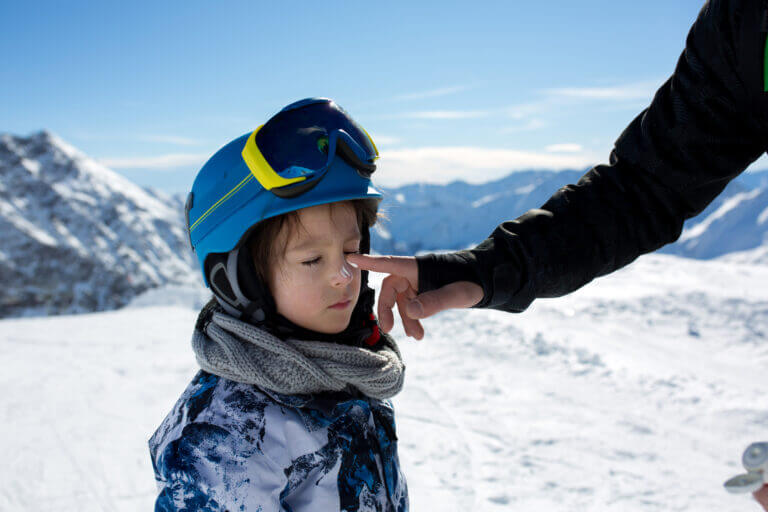
How to protect our children (and ourselves)

As with many things relating to our health, an ounce of prevention is worth a pound of cure. We should think about sun protection every day. Here are a few specifics that may help:

  1. Sun protective clothing and hats are usually the most effective means of preventing skin injury due to the sun, especially in infants and toddlers.
  2. Sunscreen, with an SPF of at least 30, is important to use on exposed skin.
    1. It should be applied about 20-30 minutes before sun exposure, sweating, or getting wet.
    2. Be sure to use enough. For an adult, this might mean up to 1-2 ounces per application.
    3. Reapply after getting wet, even if the sunscreen claims to be waterproof.
    4. Sunscreen can be used on babies, but the time spent in the sun should be very limited in this vulnerable population.
    5. Remember that sunscreen and insect repellent often don’t go well together, and may even inactivate each other. Read the labels carefully.
  3. Beware of reflected sun, whether from snow or water or even concrete, as this can greatly increase sun exposure, especially in young ones.
  4. Pay attention to the UV index, found on most weather reports and apps, to know when the sun will be most likely to cause harm.
  5. Avoid being outside between the hours of 10:00 AM and 3:00 PM as this is when the UV index is typically highest.
  6. Wear sunglasses which block 100% of the UVA and UVB rays, because eyes can get sunburned too.
  7. Avoid the use of tanning oils and creams as these do not block the sun’s harmful rays.
  8. Never use tanning beds, especially children and teens, as this direct exposure to harmful UV rays greatly increases the risk of the problems mentioned above.

As pediatricians, we strongly encourage outdoor activities because of the many health benefits they provide. Most adults, and many children, would do well to spend more time out of doors. We should also focus on doing so in a safe manner, so as not to cause unintended harm. By keeping these simple ideas about sun protection in mind, we can all better enjoy this wonderful spring season and the summer which is just around the corner.
How To Pick The Right Sunscreen

Whether you plan to spend the week on a houseboat at Lake Powell, the day at Bear Lake or an afternoon hiking Mt. Timpanogos, protecting your skin is important. As you look at the plethora of sunscreen formulations available at the store and online, it’s understandable that many of us are confused as to what is the best kind. A basic understanding of sunscreen labeling and how the sun affects our skin will help you choose the right protection for your family and your outdoor adventure.

The American Academy of Dermatology recommends selecting a sunscreen with an SPF of at least 30, with broad-spectrum coverage, that is water-resistant. 

Let’s look at what this really means.

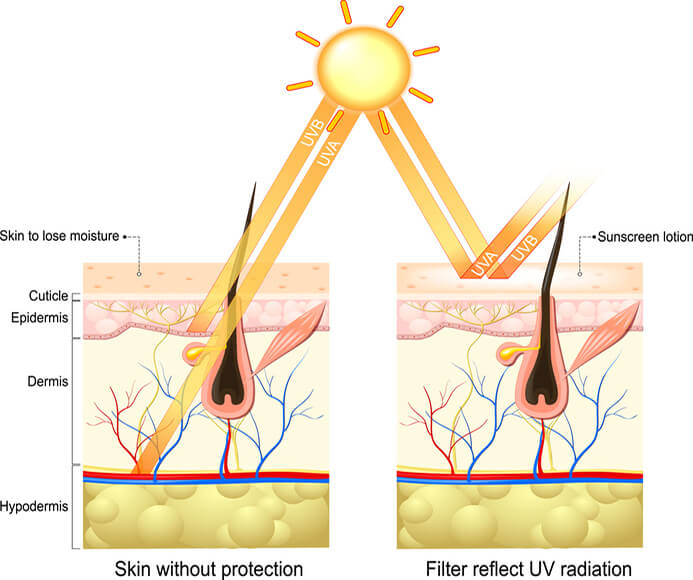
SPF stands for sun protective factor.  It basically means that if your skin would start to burn after being outside for 30 minutes, a sunscreen with SPF of 30 would allow you to stay outside 30 times longer (900 minutes or 15 hours) before burning. SPF indicates how well a sunscreen shields unprotected skin specifically from UVB rays. UVB rays are primarily responsible for burns and promote skin cancer.  

  •       SPF 15 blocks 93% of UVB rays
  •       SPF 30 blocks 97% of UVB rays 
  •       SPF 50 blocks 98% of UVB rays 
  •       SPF 100 blocks 99% of UVB rays

(notice that you don’t get twice the protection from SFP 100 versus 50)

Even though an SPF rating above 50 sounds impressive, it isn’t very meaningful. 

The American Cancer Society recommends reapplication of sunscreen every two hours because most people don’t use enough sunscreen to start with, water or sweat makes the sunscreen come off and sunscreen isn’t truly “waterproof”.

As mentioned previously, SPF is a numerical rating of how well a sunscreen protects the skin from burning. So if you used a sunscreen with an SPF of 30, theoretically, you could play outside all day without getting a sunburn. However, most of us know that is not true. If you put sunscreen on your fair-skinned blonde toddler in the morning and never reapplied throughout the day, your child will be burnt to a crisp after spending a day at Seven Peaks! You could even use SPF of 100 and your toddler would still be burned. Sunscreens simply can’t block out all the damaging rays. They are not applied in a thick enough layer and are wiped off, washed off and sweated off.

Broad Spectrum protection means the sunscreen will protect against UVA rays. UVA rays have deeper penetration of the skin which leads to premature aging, including wrinkles and age spots. The SFP label specifically refers to UVB protection, however, according to the FDA, a BROAD SPECTRUM sunscreen will protect against UVA rays at about the same degree. For example, a sunscreen with SPF of 30 will not only block 97% of UVB rays, but it will also prevent 97% of UVA rays from penetrating the skin.

Water-resistant means the sunscreen is formulated to perform well even if you’re swimming or sweating. The FDA requires a specific test for sunscreen to be given this label and will rate the “resistance” level of sunscreen for a specific time frame, either 40 or 80 minutes. There is no such thing as “waterproof” sunscreen and labeling laws have now banned the use of this term.

Recognize that when you towel off, you not only wipe off the water, but also the sunscreen that was shielding your skin from ultraviolet rays. So, regardless of the water-resistance rating and time, you think you should have left …after drying off, you need to reapply sunscreen.

A few other important tips to remember:

  • Most people don’t use nearly enough sunscreen. For a person wearing shorts and a t-shirt on a warm summer day, an ounce (the size of a shot glass) should be applied. This amount should be reapplied every two hours. Make sure you pack enough for your hike or outing on the boat. Sunscreen should be applied 15 to 30 minutes before exposure.
  • Most sunscreens have a “use by” date stamped on the container, but a good rule of thumb is to discard any unused sunscreen after three years.  It is best preserved when it is stored in a cool dry place because heat and humidity hasten its demise.
  • Many people with dark skin forget to apply sunscreen or erroneously think they don’t need it. Although darker skin tones prevent a person from burning as easily, the skin can still suffer UV damage. It may also be more difficult to detect abnormal moles or discoloration and cancerous cells.  
  • Many times people think that getting a “base tan” at the beginning of the season or before going on a trip is a good idea. A “tan” occurs when the ultraviolet rays hit the skin, which causes the skin to produce more melanin in an attempt to darken the skin color and maybe shield some of the UV rays. A “base tan” may help minimize burns, but it is still causing skin damage. It is better to protect the skin from UV damage by using sunscreen, sun-protective clothing or shade.
  • Certain medications cause sun sensitivity and will promote sunburn more readily. Classic culprits include treatment for acne, some antihistamines or antibiotics, specific anti-inflammatory medications, and some herbal supplements. Read the cautions on your medication labels to avoid sun damage and burns.
  • MOMS, remember, the sun’s UVA rays penetrate glass, so you still need to apply sunscreen, even if you’re just chauffeuring kids back and forth to activities all day. 
  • If you wear foundation, apply sunscreen first and then put on your foundation. Many foundations do not have the broad-spectrum protection that you need. (Meaning they shield against UVB rays but not UVA rays.)
  • According to the American Academy of Pediatrics (AAP), babies under 6 months of age should be kept out of the sun or covered with protective clothing.  (Sunscreen may be used only on small areas, such as the face if protective clothing and shade aren’t available.) Remember, UV rays are reflected from shiny surfaces (like water) so hanging out at the splash pad may expose you or your child to direct rays from the sun AND the rays reflected off the water. 
  • Spray sunscreens should not be used on children because they may accidentally inhale some of the chemicals into their lungs. Because of the smooth application provided by sprays, many people don’t get enough sunscreen on their skin to provide adequate protection. Sprays can be handy for applying sunscreen over thinning hair or where the hair parts, but a hat will provide much better protection.   
  • Remember, children have thinner, more sensitive skin. This may allow them to burn more easily and damage by UV rays at an early age may dramatically increase their risk of serious problems later in life.

So be SUN SMART this summer. Have fun with your family and loved ones while protecting against damaging, discoloring and destructive UV rays.

Sources:

https://www.ncbi.nlm.nih.gov/books/NBK268889/

https://www.ewg.org/sunscreen/

https://www.theguardian.com/us-news/2019/may/22/chemicals-in-cosmetics-us-restricted-eu

https://www.fda.gov/cosmetics/resources-industry-cosmetics/small-businesses-homemade-cosmetics-fact-sheet#1

https://www.consumerreports.org/sunscreens/what-you-need-to-know-about-sunscreen-ingredients/

Summer Sun Safety

Your skin is exposed to the sun’s harmful ultraviolet rays every time you go outside, even on cloudy days and in the winter. Sunscreen can protect your skin against burning, skin cancer, and premature aging. Whether you are on the beach, at an amusement park, or walking through the city, always remember to use sunscreen. The American Academy of Dermatology recommends that you choose a sunscreen that has an SPF (Sun Protection Factor) of 30 or higher. It should also provide broad-spectrum protection from both the UVA and UVB rays. If there is any question check the label.

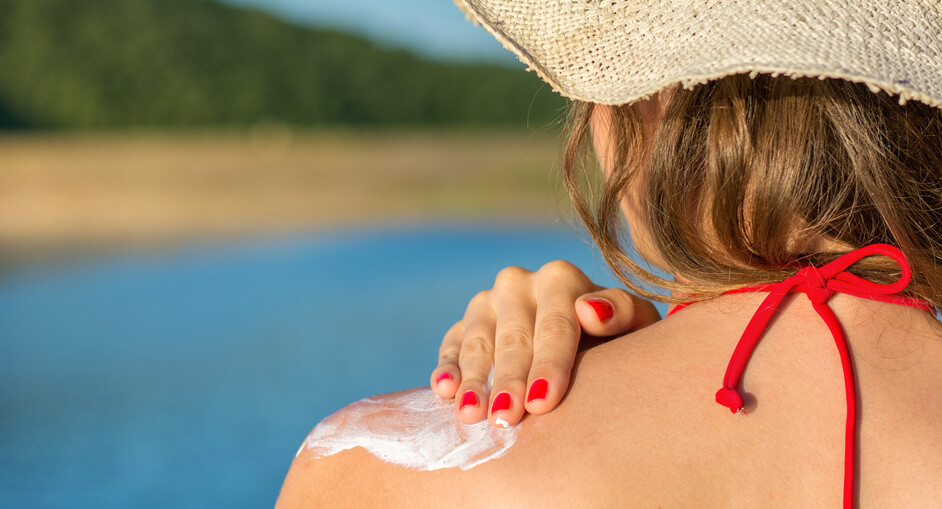
Apply the sunscreen generously before going outdoors. The sun’s rays are strongest between 10 a.m. and 4 p.m. It takes approximately 15 minutes for your skin to absorb the sunscreen and protect you. If you wait until you are in the sun to apply sunscreen, your skin is unprotected and can burn. Most adults need at least one ounce of sunscreen, about the amount you can hold in your palm, to fully cover all exposed areas of your body. Rub the sunscreen thoroughly into your skin. Apply sunscreen to all bare skin. Remember your neck, face, ears, tops of your feet (especially if you are wearing sandals) and legs. For hard‐to‐reach areas like your back, ask someone to help you or use a spray sunscreen. If you have thinning hair, either apply sunscreen to your scalp or wear a wide‐brimmed hat. To protect your lips, apply a lip balm with an SPF of at least 15. Reapply sunscreen at least every two hours to remain protected. It is also a good idea to reapply after swimming or sweating. Typically people who get sunburned didn’t use enough sunscreen, didn’t reapply, or used an expired product. Remember water, snow, and sand can reflect the damaging rays of the sun, which can also increase your chance of sunburn.

Other precautions you can take to protect yourself from the sun include wearing protective clothing like a long-sleeved shirt, pants, a wide-brimmed hat, or sunglasses. You can help others stay protected by offering them some of your sunscreens and sharing your shade.

Smart Fun In The Sun

The summer sun is a welcome change to the cold and snow of winter. It warms the air and seems to lift our spirits while at the pool or hitting your favorite hiking trail. Our summer activities often provide a hefty amount of sun exposure, and the tan lines that remain provide evidence of fun had while soaking in a few rays. And when we enjoy too much of a good thing the painful sting of a sunburn reminds us that more care should have been taken to protect ourselves.

Sunburn is the short-term complication that results from excessive exposure to the sun. It can result in pain, redness and even blistering. Fortunately, there are measures to take that can protect from the damaging effects of the sun. The first is to seek shade. Trees, and umbrella, or other shade structures can allow you to participate in outdoor activities while still avoiding some of the sun’s damaging rays. The middle of the day is when the sun’s rays are the strongest, approximately 10 AM to 4 PM in the continental United States.

If you plan to be out in the sun for an extended period, prepare yourself with protection. Sunscreen is available in a wide variety of products. The sun protection factor, or SPF, is an indicator of how much protection is offered by a specific product. It is recommended that a sunscreen with an SPF of 30 or greater be used on exposed skin. It should be applied generously 15 to 30 minutes prior to sun exposure. And that you reapply every 2 to 3 hours. Applications may need to be more frequent in activities such as swimming.

In addition to sunscreen, covering exposed skin with clothing provides the needed protection. A wide-brimmed hat can be very helpful in shading the face ears and back of the neck. Also, sunglasses that block UV rays protect the eyes and can reduce the risk of developing cataracts.

Children are at higher risk for sunburn than adults. This is likely due to children being less aware of the risks for sunburn and that they are less likely to use sunscreen and shade it to protect themselves. For children younger than six months of age it is recommended that the parents use hats, clothing, and shade structures to protect from sun exposure in addition to using sensitive skin or baby formula sunscreens.

The cumulative effects of sun exposure go beyond sunburn. Individuals with several sunburns or prolonged exposure do you have increased risk for skin cancer. The most dangerous of these is melanoma.  Many people think that tanning is protective to the skin. This may provide a small amount of protection to sunburn. However, this does not outweigh the risk of skin cancer associated with tanning.

As a physician, I encourage people to enjoy outdoor activities. There are many benefits that come from recreation and physical activity. I personally enjoy cycling, hiking, many other activities possible in the outdoors. Just remember to plan and take the necessary precautions to protect yourself and children from the dangerous effects of the sun.

Skin Protection – For More Fun in the Sun

Spring – a common time for sunburn

Spring is a wonderful time of year for many reasons. The days are getting longer, the winter illness season is coming to an end, and many outdoor activities are beckoning once again. However, it is also the time of year when many severe sunburns occur. There are several reasons for this:

  1. Many people’s skin is quite pale after the long winter, and more vulnerable to burn.
  2. The air is generally cooler than in the summer, so it is more difficult to feel when a burn is occurring.
  3. The sun is getting higher in the sky, so the rays are becoming more direct, and are therefore more likely to cause skin injury.
  4. Spring sports and yard work can abruptly increase the amount of time people spend outdoors.
  5. Some people are anxious to get tan after winter and try to do it all at once.
  6. While we associate many summer activities with the need for sun protection, spring activities often don’t trigger this thought.

Preventing sunburn is important

There are many health hazards associated with sunburn, the most serious is the aggressive form of skin cancer known as melanoma. Occasionally, this type of cancer is diagnosed in people in their teens. Exposure to the sun’s radiation increases the risk of genetic mutations in our skin cells which can lead to this dreaded condition.

But that’s not the only reason to avoid getting burned. These are true burns and can range from superficial first degree burns with only mild discomfort, to deep second degree burns with blistering, extreme pain, and sometimes permanent skin changes. The younger a child is when sunburn occurs, the more severe the damage is likely to be.

Another concern with sunburn is the increased risk of other heat-related injuries. Someone with a severe sunburn is more likely to suffer heat exhaustion or heat stroke, which can lead to severe illness and even death. Occasionally, sunburns can affect a large enough portion of the body to cause the serious conditions associated with other significant burns, including susceptibility to infections and temperature regulation problems.

How to protect our children (and ourselves)

As with many things relating to our health, an ounce of prevention is worth a pound of cure. We should think about sun protection every day. Here are a few specifics that may help:

  1. Sun protective clothing and hats are usually the most effective means of preventing skin injury due to the sun, especially in infants and toddlers.
  2. Sunscreen, with an SPF of at least 30, is important to use on exposed skin.
    • It should be applied about 20-30 minutes before sun exposure, sweating, or getting wet.
    • Be sure to use enough. For an adult, this might mean up to 1-2 ounces per application.
    • Reapply after getting wet, even if the sunscreen claims to be waterproof.
    • Sunscreen can be used on babies, but the time spent in the sun should be very limited in this vulnerable population.
    • Remember that sunscreen and insect repellent often don’t go well together, and may even inactivate each other. Read the labels carefully.
  3. Beware of the reflected sun, whether from snow or water or even concrete, as this can greatly increase sun exposure, especially in young ones.
  4. Pay attention to the UV index, found on most weather reports and apps, to know when the sun will be most likely to cause harm.
  5. Avoid being outside between the hours of 10:00 AM and 3:00 PM as this is when the UV index is typically highest.
  6. Wear sunglasses which block 100% of the UVA and UVB rays, because eyes can get sunburned too.
  7. Avoid the use of tanning oils and creams as these do not block the sun’s harmful rays.
  8. Never use tanning beds, especially children and teens, as this direct exposure to harmful UV rays greatly increases the risk of the problems mentioned above.

As pediatricians, we strongly encourage outdoor activities because of the many health benefits they provide. Most adults and many children would do well to spend more time out of doors. We should also focus on doing so in a safe manner, so as not to cause unintended harm. By keeping these simple ideas about sun protection in mind, we can all better enjoy this wonderful spring season and the summer which is just around the corner.
Canyon-View_Provider_Taylor-Sorenson
providers
Taylor Sorenson, DO
801-798-7301
Family Medicine
providers
Courtney Rogers, LCMHC, NCC
providers
Joey Payne, AMFT
services
Behavioral Health
Load more results