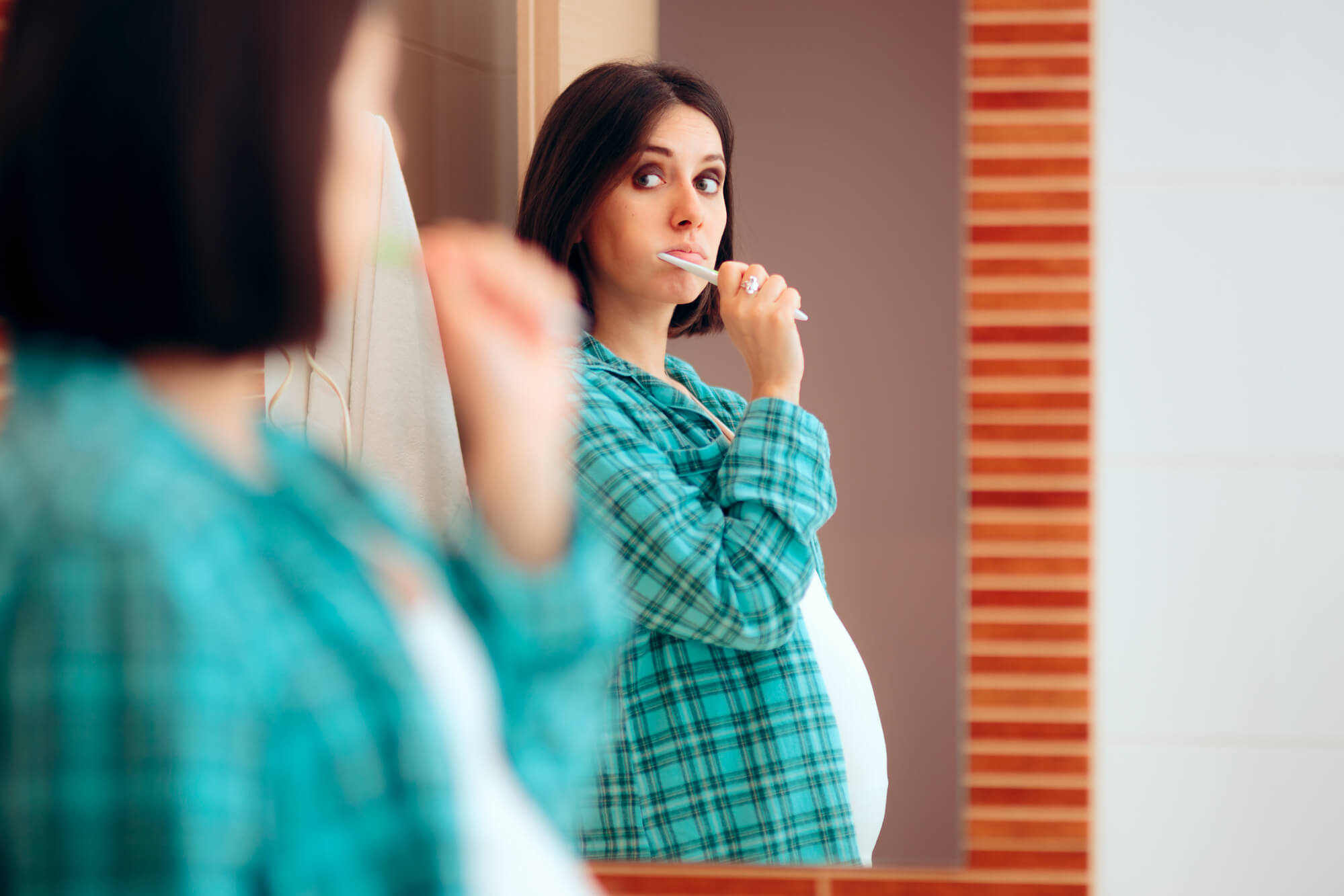
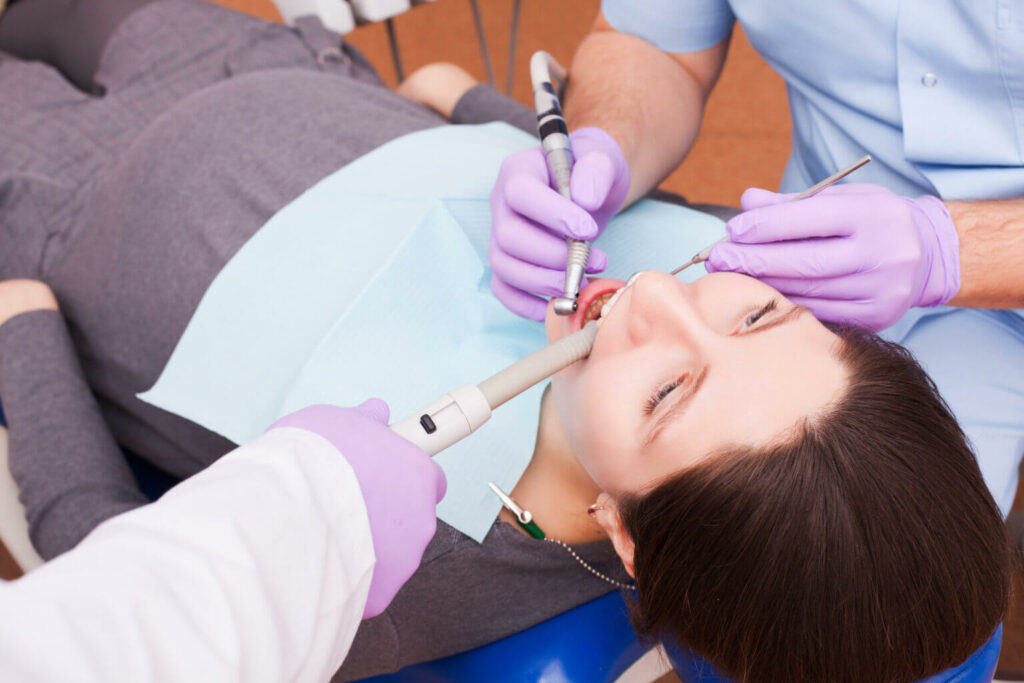
If you’re pregnant, Congratulations! That’s great! So now, let’s talk about your teeth. Oral and dental health is an often-overlooked part of a healthy pregnancy. While women often avoid seeing a dentist for treatment or a hygienist for cleanings out of concern for their growing baby, it is not only safe to be seen for regular cleanings and dental work; it is also recommended. In addition, the oral health of the mother affects the infant and pregnancy.
A common concern during pregnancy is whether or not taking x-rays is safe. Dental x-rays are very low dose and are safe at any point throughout pregnancy. Wearing a lead apron is standard at most dental offices. Taking x-rays is an essential part of diagnosing cavities and infections and is considered a routine part of a good dental exam. Women should continue to see the dentist and hygienist regularly. It may be easier during the second trimester when nausea has subsided, and it is still comfortable to lay on your back.
During pregnancy, hormone changes alter the response of your gums to plaque and can cause more inflammation, known as gingivitis. Using a soft brush twice a day can help keep plaque to a minimum. There is some evidence that inflammation from gingivitis can increase the risk of pregnancy complications, so it is vital to keep your gums healthy.
One of the unfortunately familiar parts of pregnancy is vomiting and acid reflux. Stomach acid can be hard on teeth. While you may feel the urge to brush your teeth immediately after vomiting to remove the taste, it is best to avoid brushing for at least 30 minutes to keep from brushing stomach acid into the enamel and eroding it. The best option is to rinse with water and 1 tsp baking soda to neutralize the stomach acid if tolerated. If that isn’t tolerated, rinse out with some plain water or fluoride-based mouth rinse instead. Acid reflux can erode tooth enamel and can be safely treated with over-the-counter medications.
If you need dental care for a cavity or infection, the typical medications used by dentists are safe. Including antibiotics and medicines for “Numbing you up.” It may, however, be best to avoid Nitrous Oxide (laughing gas).
So, in short, dental health is essential because you need your teeth for the rest of your life. Therefore, you should not neglect your dental care during your pregnancy.
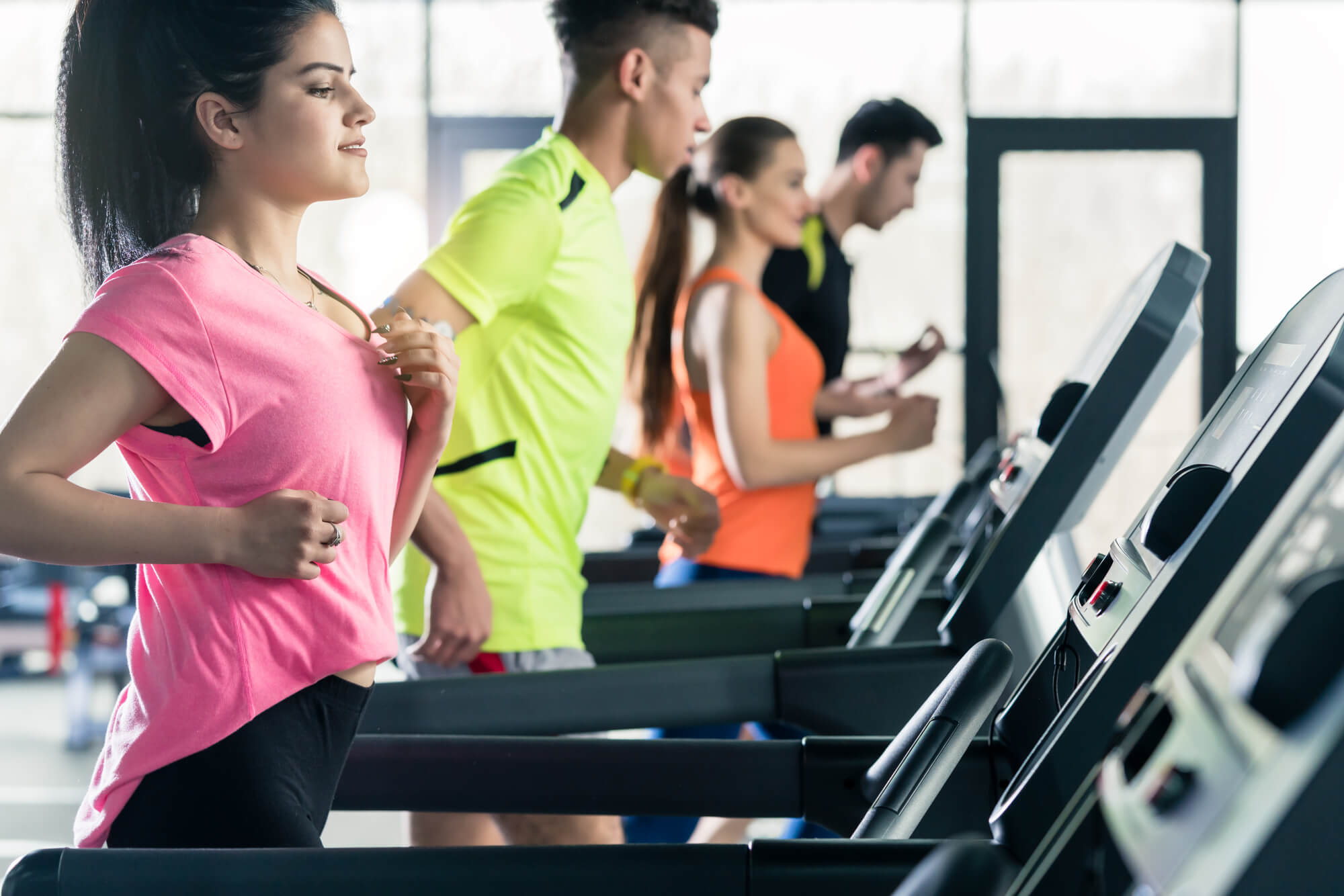
While it’s true that a treadmill technically takes you nowhere, it can still help deliver you to better fitness…
May is National Physical Fitness and Sports Month, and now that the warmer weather is here, it is a perfect time to get more physically active. Regular physical activity is key to improving your overall health.
Physical Activity Guidelines for Americans
(from U.S. Department of Health and Human Services):
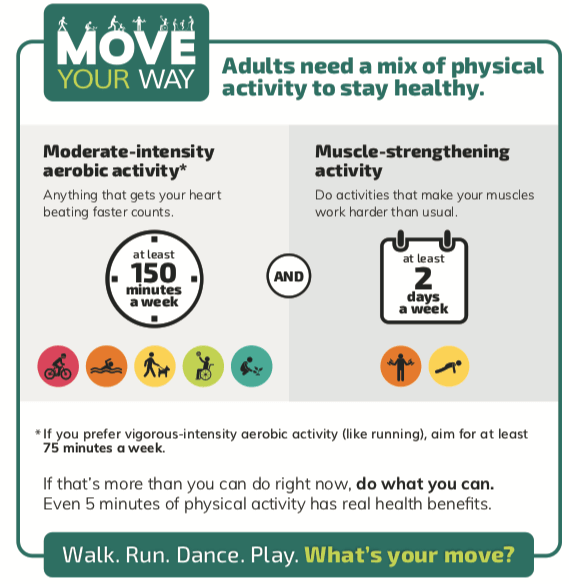
– Adults: at least 150 minutes per week of moderate-intensity activity or 75 minutes/week of vigorous activity, plus two or more days of muscle-strengthening (older adults 65+ should include balance activity to enhance functional capacity and prevent falls).
– Children: at least 60 minutes per day of moderate- to vigorous-intensity
Depending on your current activity level, these recommendations may seem excessive or challenging. However, doing SOMETHING is always better than doing NOTHING, and even light-intensity activity or shorter duration can have benefits and offset some of the risks of being sedentary. It may seem difficult to fit regular exercise into your busy daily schedule, but start small and build up over time. If you can’t find time for a more extended block, try breaking it into shorter exercise chunks. Even 5 or 10 minutes can help and would be exponentially better than sitting that long. The important thing is making regular physical activity a part of your lifestyle.
Multiple forms of exercise work the body in different ways and the most benefit comes from a combination:
Aerobic (endurance): activities that increase heart rate and breathing to keep the cardiovascular and respiratory systems healthy and improve overall fitness, especially endurance. Examples include walking, jogging, swimming, and biking.
Resistance (strength) training: exercises that work muscle groups to increase strength. Examples are weight-lifting and using resistance bands.
Balance: exercises to improve overall stability, which can prevent falls. Examples include tai chi and dedicated balance drills.
Flexibility: exercises to stretch connective tissue (muscles, tendons, ligaments) to stay limber. Examples are yoga and dedicated stretching activity.
Why does it matter?
Physical inactivity is a leading contributor and risk factor for many chronic diseases, such as hypertension, heart disease, stroke, diabetes, certain cancers, and more (20-30% overall increased risk compared to active individuals).
“About half of all American adults—117 million people— have one or more preventable chronic diseases. Seven of the ten most common chronic diseases are improved by regular physical activity. Yet nearly 80 percent of adults do not meet the key guidelines for aerobic and muscle-strengthening activity, while only about half meet the key guidelines for aerobic physical activity. Lack of physical activity is linked to approximately $117 billion in annual health care costs.” – Former U.S. HHS Secretary Alex M. Azar II
There are tremendous benefits to physical activity and maintaining fitness, including:
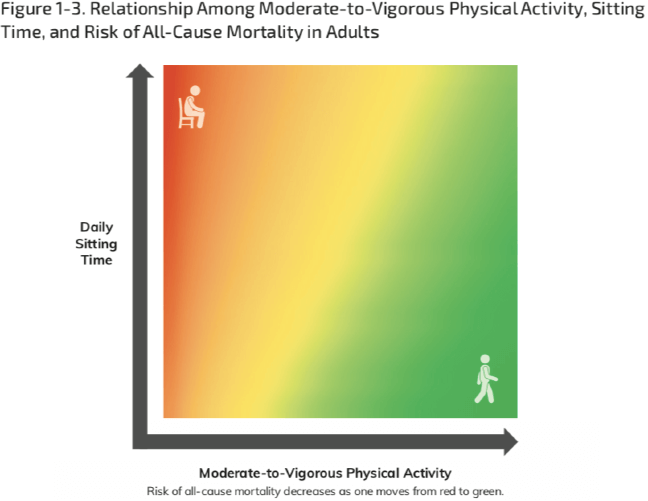
Decreased risk of all-cause mortality, including cardiovascular and other diseases
Stress reduction & relaxation
Improved sleep
Improved energy levels and enhanced mood (reduced depression and anxiety)
Maintenance of strong bones and joints.
Increased muscular and cardiorespiratory fitness to enhance physical function to complete activities of daily living
Lowered risk of falls and injury (reduced risk of hip & vertebral fractures)
Improve cognitive functioning and outcomes (academic performance and executive function) with decreased risk of dementia
Help maintain healthy body weight with reduced overall body fat
And more
Exercise is cumulative as the more you perform, the greater the benefits, especially when started early in life, translating to improved fitness later in life.
Suggestions & ideas to get your body moving:
Our ancestors of not that long ago would certainly think we are crazy and would be shocked at how much the world has changed when we have to take time and even pay money to deliberately exercise our bodies to stay ‘fit’ as our lives are relatively sedentary in comparison, but realize there are countless opportunities to be more physically active at work, at school, and at home…
Walk recreationally (briskly)
Walk the dog
Park your car further away to maximize the distance to walk
Take the stairs over the elevator or escalator (walking w/ steps)
Walk the golf course instead of using a cart (walking w/ golf clubs)
Hike (walking w/more challenging terrain)
Jog or run (like walking, but faster)
Walk during lunch or other breaks (paid walking). Yes! I’m a fan of walking as fundamental and straightforward.
Work fitness breaks (at least once an hour with various activities, such as pushups, squats, jumping jacks or walking a circuit, etc.)
Commercial break fitness (i.e., hold a plank, perform jumping jacks or jog in place the entire commercial break)
Complete a fitness circuit or obstacle course
Join the gym
Take fitness classes (i.e., spin cycling, Zumba, etc.) or martial arts.
Take dance lessons
Join a community sports league, such as softball, soccer, basketball, etc.
Try a new sport or activity (i.e., pickleball, ultimate frisbee, etc.)
Exercise while engaging with your kids and family (i.e., a family walk or bike ride, throw a football or frisbee, play soccer, tennis or volleyball, etc.)
Encourage children to participate at home and school (cultivate the importance of physical activity when young to instill lifelong habits).
Perform a family fitness night (old-school field day, Olympic events, etc.)
Plant and care for a garden.
Attend a community fitness fair
Sign up for a 5k or 10k (or other race) as motivation
Bike to work (or anywhere). The 3rd Friday in May is National Bike to Work Day.
Swim or take your kids to a pool and get in with them
Get outdoors and do something fun (hike, bike, ski, etc.)
Put on some music and dance.
Remember to exercise safely with proper equipment to prevent injuries and listen to your body not to overdo it, especially if starting.
Exercise alone can’t achieve optimal health:
You can’t out-train a bad diet, so don’t forget about what goes in your mouth as it can make a huge difference in your overall health and fitness. Ultimately, the number one reason people are overweight is from eating too many calories. Most don’t understand portion control as it may seem appropriate because they’ve been eating that amount their entire life. It is the social norm with everyone else eating similar portions. Still, most people are eating way too much. It’s not just about quantity, though, as the quality of food can make a big difference in not only your health but how you feel physically, mentally, and emotionally. You indeed are what you eat. Fat must be fed…muscle must be worked.
Bottom line if you read nothing else:
My advice is straightforward – do something, do anything to be more active. It doesn’t have to be complicated or highly time-consuming. Starting with small steps can get you there. Even just 5 minutes can be enough to build on. Slow and steady wins this race. The human body is designed for movement, not to be still. Ultimately, we need to move more and sit less as the point is to get more active and move your body because if you don’t move it… you lose it, but you must take action as no one will do it for you, and it doesn’t get any easier. Choose activities that you enjoy as it is much simpler to make it a habit if you are doing something you want.
Now is the time to get more active and healthy as new habits can’t be formed without first starting to act. Before long, it will be a routine that you won’t be able to go without. Your future self will thank you…and you can accomplish being active for life!
May is National Osteoporosis Awareness and Prevention Month! This is a great time to pause and think about the health of one body system we sometimes take for granted: the skeleton!
The human body has 206 bones, and they are made up of active, living tissue. The health and wellbeing of your skeletal system is critical for getting you around to live your life, but we often don’t think about it until a bone breaks. Children and adolescents tend to have stronger bones made of cells that regenerate at much higher rates. By about age 30, our bone mass peaks and slowly decreases for the rest of our lives.
In addition to this bone mass loss that is a normal part of aging, some adults may develop a disease called osteoporosis. The disease results in excessive loss of bone density, causing the bones to become weak and brittle. It is sometimes called “the silent disease” because there are often no symptoms until a bone fractures. It is different from osteoarthritis, which is a painful joint disease. At least one in two women and one in four men over age 50 will break a bone at some point due to osteoporosis. This disease can cause pain, suffering, and loss of mobility if it progresses too far. Luckily, osteoporosis can be treated and even prevented!
Preventing osteoporosis is a topic near and dear to my heart – not just because as an OB/GYN PA I am keenly aware of how it disproportionately affects women, but also because my own grandmother suffered from osteoporosis. I watched her lose several inches of height as the disease caused her posture to become more and more stooped over time. Luckily, my grandma never broke any bones, but we were always worried about the potential of a life-altering injury if she had a fall. Because of my grandma’s experience with osteoporosis, my mom is keeping a careful eye on her bone health, and I am too. The best ways to prevent osteoporosis are to make healthy lifestyle changes and talk with your healthcare provider about appropriate screenings.
Everyone knows that we should eat a healthy diet and get regular exercise, but you may not know that these good habits can make you less likely to have bone problems when you are older. Since I am getting closer to the age where my bones will stop replacing themselves as well, I make sure to get plenty of calcium and vitamin D in my diet. These are the nutrients your body needs to build bone. You can get calcium through milk and dairy products, but also from things like leafy green vegetables, fortified breads and cereals, and supplements if necessary. For more information about how much calcium and vitamin D you need and how to get it, see the FDA website on recommended daily intake or talk to your healthcare provider.
My mom watches her diet, goes on daily walks, and plans to get a DEXA scan when she turns 65. A DEXA scan is a type of X-ray where we can measure how dense your bones are. If this testing shows that you are at increased risk for fractures, there are medications we can use to help build up your bones. All women 65 and older should have a DEXA scan, as well as anyone at increased risk of low bone density, which may include people with a history of long-term steroid use or a family history of osteoporosis.
No matter what stage of life you are in, you can make changes to improve your bone health. It’s so important I’ll say it one more time: make sure you are getting enough calcium! And don’t forget vitamin D. Live an active life and do some kind of weight-bearing exercise (like walking, running, aerobics, or resistance training) regularly to help keep your bones strong. Avoiding smoking and minimizing alcohol intake can also decrease your risk of developing osteoporosis. Stay up to date on regular health screenings including your DEXA scan if applicable. If you have been diagnosed with osteoporosis, make sure you have a plan for preventing falls. And as always, personalized medical advice is the best kind of advice, so talk to your healthcare provider about how to keep your skeleton healthy.
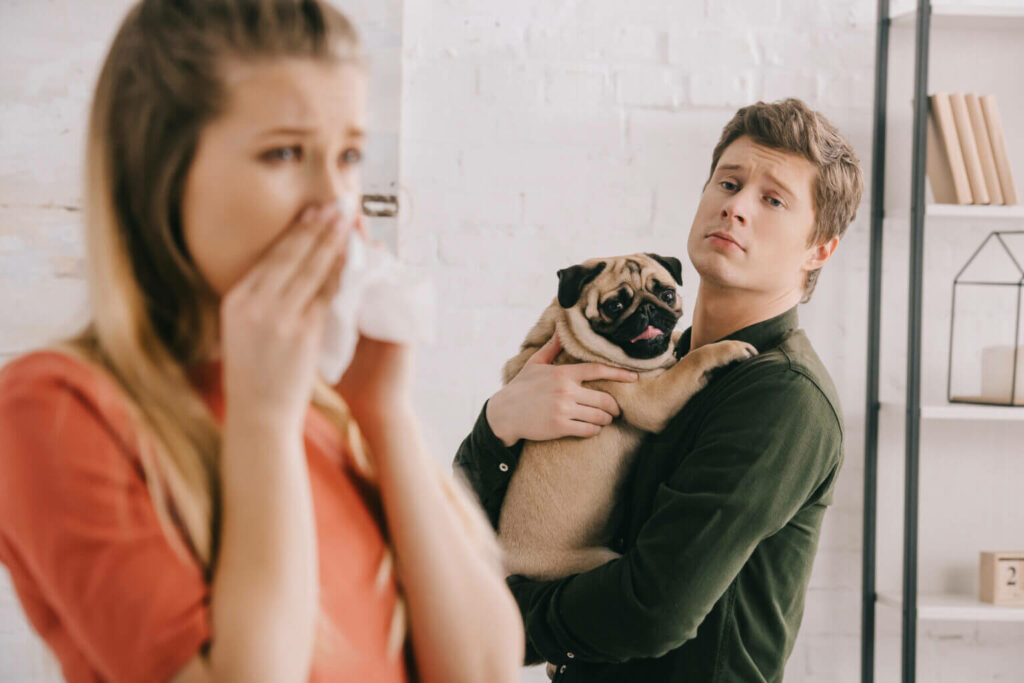
What Is Immunotherapy? Immunotherapy means giving your body what you are allergic to in small amounts, gradually increasing the amount over time, to train your body to become immune/tolerant to the thing for which you are allergic. In other words, it cures you of your allergies.
What Does Immunotherapy Treat? Immunotherapy works well for Hayfever (itchy eyes, congested/runny/sneezy nose). It also works well for Allergy-induced Asthma. Children with asthma who do Immunotherapy treatments are 50% more likely to outgrow their asthma. Immunotherapy is for individuals as young as age 5, up to any age.
What Are the Options? One to two injections (depending on the severity of your allergy) in the arm(s), given in the clinic, once a week for the first 12 months, then every two weeks for two more years for a total of three years. You can also use liquid drops placed under the tongue daily for three years, which you give yourself at home.
How Effective Is Immunotherapy? Immunotherapy is about 85-90% effective in treating the specific allergen for which you may suffer. In other words, about 9 out of 10 people will have life-long relief from their allergies if they complete the three years of treatment. It takes about three to six months of treatment before allergy symptoms begin to subside.
What Is the Cost? Immunotherapy (or allergy shots) is covered by Medicaid, Medicare, and most commercial insurance plans, although you may have to meet your deductible. Most insurances don’t require a co-pay when you come in for an allergy shot. Most insurance companies don’t cover allergy drops. A three-month supply of drops is about $110 for one vile or $160 for two vials (two vials may be necessary if we can’t fit all your allergens into a single vial).
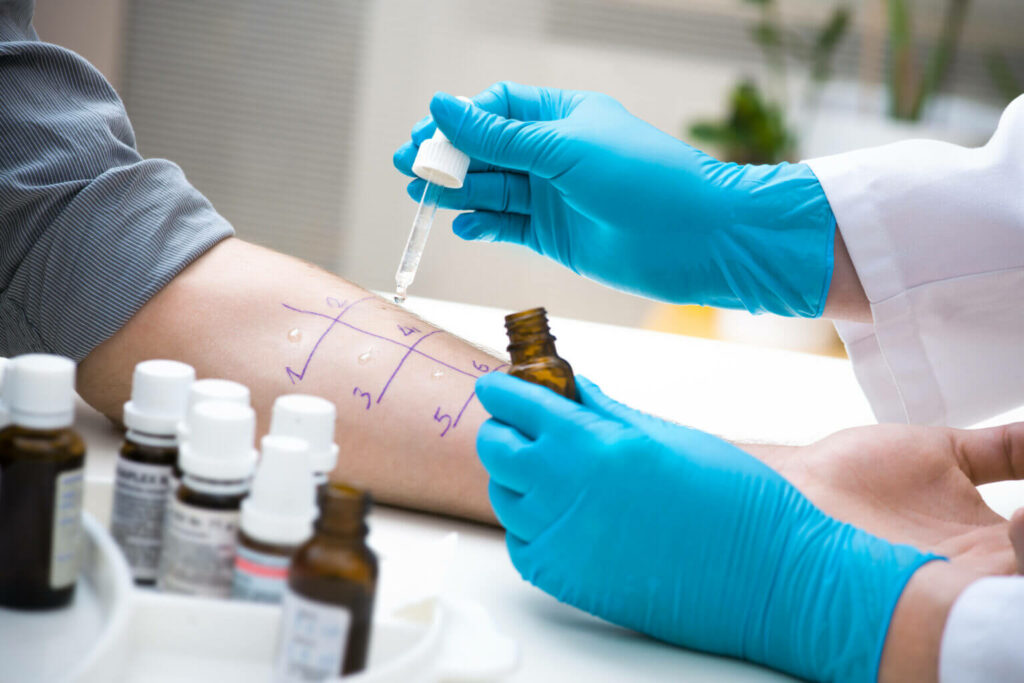
How Do I Get Started? Start by getting tested for common allergens, including local pollens, molds, dust mites, trees, grass, weeds, pets, etc. Based on these results, allergy drops/shots will be made specifically for you.
Dr. David Beckstead MD and his specially trained medical assistants perform allergy skin tests and administer allergy shots at our Spanish Fork location. Call 801-798-7301 and ask to schedule an allergy skin testing appointment with one of Dr. Beckstead’s skilled assistants.
For those of you who are fans of the NBA and follow the Utah Jazz, you may realize that a watershed moment occurred on March 11, 2020. Rudy Gobert, All-Star Center for the Jazz, tested positive for COVID-19. He was the first athlete in a major professional sporting league to test positive. Leading to the cancelation of the game they were to play against the Oklahoma City Thunder that night. A cascade of cancelations followed. Games, schools, restaurants, and workplaces closed as the reality of the pandemic swept across the country. Gobert’s positive test marked the day that changed America.
A year has passed. Some things in life have returned to a level of normalcy, but others are vastly different. We have all had limitations and restrictions on us that have affected work, school, family relationships, and other social interactions. There have been lives lost to COVID. Others changed forever. We are all asking; when will we get back to normal? I don’t have a firm answer for that one. As disappointing as that may sound, there is hope that we can eventually return to something that more closely resembles normal.
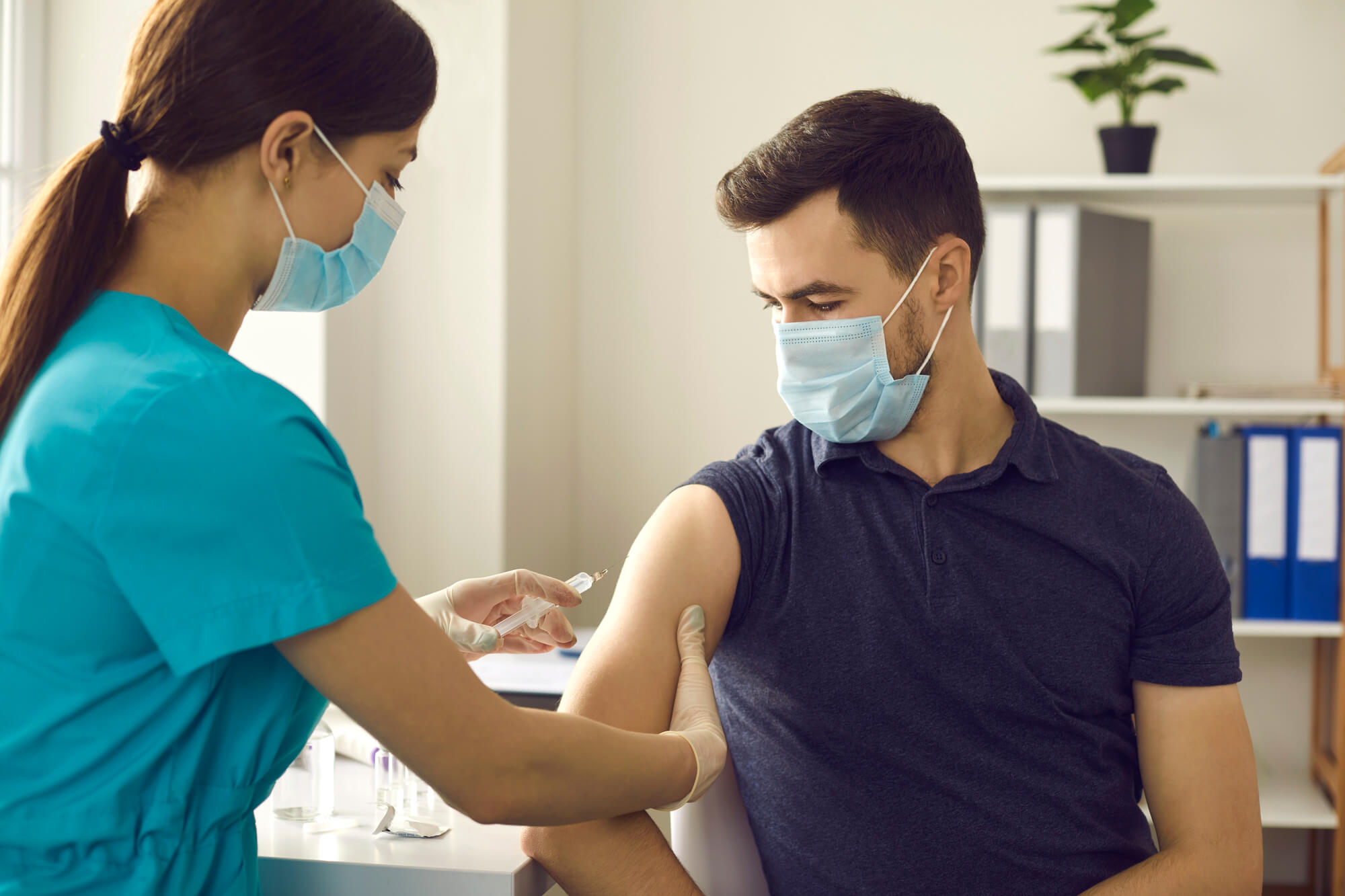
Getting vaccinated against COVID-19 is likely the best chance we have to push back the tide of the current pandemic. The vaccine has already led to a dramatic decrease in severe illness from COVID-19 in skilled nursing facilities and hospitalization rates, but we have a lot of work yet to do. Vaccines against COVID-19 are being distributed in communities across the globe. More and more people are becoming eligible, beginning with the most vulnerable.
I have encountered many questions about those considering the vaccine for themselves or loved ones. Many have questions about safety and efficacy. The following are a few of the more common questions, answered with the most up-to-date information I could find available.
Question 1: Is the vaccine effective?
The current data shows that the vaccines against COVID-19 are very effective. Most studies have shown rates of effectiveness to be 70-90+ percent. These rates are better than those of many other vaccines that we currently use against other infectious diseases. Overall effectiveness and duration of protection continue to be studied, but initial results are very encouraging.
Question 2: Will the vaccine affect fertility or pregnancy?
There is no evidence or theory to suggest that the vaccine harms female or male fertility. Fertility experts have repeatedly recommended vaccination.
The vaccines do not enter the nucleus of the cell. The cell is where genetic material is stored. So the vaccine cannot cause genetic changes.
The American College of Obstetrics and Gynecology has recommended vaccination against COVID and states that the COVID vaccine not be withheld from pregnant patients. Indeed, studies in pregnancy have not been done. If you are currently pregnant or planning pregnancy, it is reasonable to discuss getting vaccinated with your provider.
There is a growing body of evidence that there are significant risks of having infection with the COVID-19 virus during pregnancy. Vaccination can help prevent this.
Question 3: Is the vaccine safe? Was the vaccine approved too quickly?
Vaccines against COVID-19 went through similar clinical trials as other vaccines to receive approval by the FDA and similar governing bodies in other nations.
The FDA has approved COVID-19 vaccines under an Emergency Use Authorization (EUA). The FDA only uses the EUA for COVID vaccines if there is substantial evidence of safety and effectiveness. These vaccines are still safe and effective even though they became available rather quickly.
Question 4: Can I get COVID from the vaccine?
No. The vaccines do not contain the COVID virus. You cannot get infected with COVID-19 from the vaccination.
Question 5: Why is the reaction to the vaccine so significant for some people?
Vaccinations are intended to create an immune response. This response can include symptoms of fatigue, low-grade fever, muscle aches, etc. The most common reaction is local tissue reaction at the injection site. If you experience these symptoms following vaccination, Tylenol and/or ibuprofen can be used. Getting a skin infection at the injection site is rare.
COVID-19 Vaccines are anticipated to cause these symptoms. The severity of the post immunizations symptoms is varied. These symptoms are evidence that the vaccine is doing what is intended. Once vaccinated, if the body encounters the COVID-19 virus, it will quickly respond to fight it off.
Allergic reactions to vaccines can occur, including the COVID-19 vaccine, but severe reactions are infrequent. The latest data indicates that severe allergic reactions to the vaccine are about 10 cases per 1 million vaccines administered. You will be asked about previous reactions to vaccines that may indicate risk for an allergic response to COVID-19 vaccination.
Question 6: When will we get to stop wearing masks and avoiding social gatherings?
I don’t have an answer for this one. The vaccine is thought to be the best hope for our community and people worldwide to return to activities safely. The rate at which vaccination is distributed will likely influence the time frame of return. The CDC recently published guidelines for what fully vaccinated people may do. You can read this at https://www.cdc.gov/coronavirus/2019-ncov/vaccines/fully-vaccinated-guidance.html.
The Utah legislature recently passed legislation ending the state-wide mask mandate on April 10, 2021. However, this does not mean it becomes a free-for-all on April 10. There will continue to be some settings (gatherings larger than 50 people, K-12 schools, local areas with county-specific mandates) where masks may continue to be required.
Even then, life may look slightly different than it has in the past.
Question 7: I had COVID. Should I still get the vaccine?
Yes. If you have recovered from a COVID-19 infection, you should still receive the vaccine. The CDC recommends you wait until 90 days from when you were infected before getting vaccinated. However, the vaccine’s protection is still thought to be helpful enough to warrant vaccination among those infected with the virus.
Question 8: Which of the available vaccines should I get?
I would recommend that you receive the vaccine that is made available to you. There are currently three vaccines approved for use in the United States. Each is considered effective and safe.
This list is certainly not a comprehensive list of questions regarding COVID-19 vaccinations. It intended to answer some of the more common concerns that I have heard from my patients. If you have other concerns or further questions, I encourage you to reach out to your health care provider. We are here to provide answers and services for your healthcare needs. What to do with COVID vaccination is part of what we hope to offer for our patients and communities.
Rudy Gobert is known for his outstanding defense. Vaccination against COVID-19 is here and gives us the most promising protection against COVID-19 in our attempts to escape the current pandemic. Canyon View Medical Group is pleased to be able to offer vaccination to the communities we serve. For more information and to schedule your vaccine appointment online, click the green “Schedule COVID-19 Vaccination” button below.
If you have a hard time falling or staying asleep at night, you are not alone. Some estimates show that 10% to 30% of adults live with chronic insomnia. As many as 95% of Americans report an episode of insomnia at some point during their lives. That’s a whole lot of people asking themselves, “Why can’t I sleep?” Unfortunately, the answer to the age-old question is not an easy one.
Multiple factors can play a role in not getting enough zzz’s, leaving us with complaints of daytime fatigue, lack of energy, irritability, reduced work performance, and difficulty concentrating. If you feel these daytime impairments after having repeated difficulty falling asleep or staying asleep, you may be dealing with insomnia.
Factors that keep us awake can be physiological, environmental, or psychological. Some of these common factors include:
Consuming substances that negatively affect sleep. Caffeine, alcohol, nicotine, and some medications. Diet pills and cold medicines are often the culprits. If you are unsure if something you are taking is affecting your sleep—ask your provider.
Physical pain and discomfort can make it harder to fall and remain asleep. Frequent trips to the bathroom, sleep apnea, and restless leg syndrome are other medical conditions that disrupt sleep. However, your medical provider can treat those conditions.
Depression, anxiety, and excessive worry can keep our minds from turning off at night. Replaying the day’s events and worrying about possible coming events are shared with people having insomnia related to mental health conditions. Treating underlying mental health issues will often resolve issues with insomnia.
Unhealthy lifestyles and sleep habits we are unaware of may also hinder a good night’s sleep. These habits can include going to bed at a different time each night or napping during the day. Screen devices like computers, televisions, and cell phones can also cause sleep problems. Too much light, too many blankets, and too much noise are all environmental factors that can disrupt our sleep.
So now what? We know what it feels like not to sleep and what might be causing it, but how do we fix it? It is often our first inclination to want to take a medication or pill that will put us to sleep. However, the most beneficial way to improve restful, restorative sleep is to work on sleep hygiene.
Sleep hygiene refers to daily activities and habits that are consistent with or promote the maintenance of good quality sleep and full daytime alertness:
Develop regular sleep habits. This means keeping a regular sleep and wake time, sleeping as much as needed to feel refreshed the following day, but not spending more time in bed than needed.
Avoid staying in bed in the morning to catch up on sleep.
Avoid daytime naps. If rest is necessary, keep it short (less than 1 hour) and avoid napping after 3 pm.
Do not read, write, eat, watch TV, talk on the phone, or play cards in bed.
Avoid caffeine after lunch; avoid alcohol within 6 hours of bedtime; avoid nicotine before bedtime.
Create a bedtime routine (dim lights, take a bath, listen to soft music, read a book).
Keep the bedroom dark, quiet, and at a comfortable temperature.
Exercise daily (but not later than 6 pm to 7 pm).
Do not force yourself to sleep. If you cannot fall asleep within 15 to 30 minutes, get up and do something relaxing until sleepy (e.g., read a book in a dimly lit room, watch a non-stimulating TV program). Avoid watching the clock or worrying about the perceived consequences of not getting enough sleep.
Sleep hygiene is not always easy, and you shouldn’t expect to see results quickly. You may have to make new habits and break old ones, which will take time.
If you have questions about treating insomnia, start working on your sleep hygiene and make an appointment to see one of our providers at Canyon View Medical Group.
Ah, February! The month set aside to celebrate true love, let groundhogs predict the weather, and acknowledge that our failed New Year’s Resolutions were overly ambitious. What more could we ask of 28 days? Actually, here are a few ideas –
Did you know February is also American Heart Month? I’m not just talking about the Lonely-Hearts Club, either. I’m talking about that fantastic muscle in your chest that looks nothing like the shape we show our children. This is the month to learn how to keep your ticker ticking as long as possible.
Before you completely throw away your New Year’s goals, take a glance at them and see if there is one aimed at a healthier lifestyle. There usually is. Don’t wholly discard that one. While you may need to make some changes, it is never too late to start improving your health.
Wait! Before starting any exercise program, you should have a wellness exam by your primary care provider. While you are there, take the time to have a conversation with him/her about any family history of heart disease, high blood pressure, diabetes, or high cholesterol. You may have a genetic tendency for these conditions just because of where your ancestry. That’s something none of us can control.
Risks that increase your heart disease chance include being overweight, having high blood pressure, diabetes, high cholesterol, and being inactive. With diet and exercise, many of these risk factors can be managed. Yes, sometimes we have to discuss medication, but not always. Knowing your risks early on can help you take control of the situation.
Now, a quick word about exercise. Exercise does not only mean running. If you love to run, great! For you, exercise can be running. For those of you who do not love running or can’t run, there are other options. Never underestimate the value of walking. It is easy on the joints, and you can implement intervals with this. After all, speed walking is an Olympic Sport. There are other great options. Feel free to YouTube some Yoga. Pull out all those old DVDs, then mix and mash the workouts. Just get moving once your provider gives you the go-ahead.
If February isn’t your month because you don’t get into all this Valentine’s stuff, then don’t get sucked into the candy. However, when you look at the heart designs, start to think about your heart health. Your heart is there for you on average 100,000 beats a day. Are there 1 or 2 things a day you can do in return for it?
2020 is shaping up to be one crazy year. I am proud of our local community for staying strong in the face of so many diverse challenges. As the world’s craziness swirls around us, I believe it is essential to focus on things we can control. Remember to take good care of ourselves and take time to refresh and renew.
October is Breast Cancer Awareness Month. One critical way to take care of ourselves and focus on things we can control is to make sure we are up to date on our cancer screenings. For women over age 40, this includes getting regular mammograms done to screen for breast cancer.
As I discuss mammograms with my patients, I often hear variations of the following concerns:
“I am swamped and do not have time.”
You are busy. You have many demands on your time. Taking the time to take care of yourself helps keep you healthy and strong so you can stay on top of all the busy aspects of your life for many years into the future.
“I don’t want to know if I have cancer.”
Screening mammograms can find cancers 2-3 years before you or your healthcare provider would be able to feel the cancer lump. Those years make a big difference in improving your chance of cancer survival. Choosing to ignore cancer leads to a low probability of survival.
“I have been told mammograms cause more harm than good.”
Mammograms use low doses of radiation, similar to an x-ray. The amount of radiation in a mammogram is similar to the amount of radiation everyone is exposed to by living on earth for about seven weeks. There is no evidence that screening mammograms cause breast cancer. There is also no evidence that mammograms cause damage to breast tissue.
“I was told that mammograms do not save lives.”
Mammograms are the gold standard best tool we have to find breast cancer early and start treatment. Early breast cancer treatment is the best way to increase the chance of breast cancer survival. We know that screening mammograms reduce the risk of death from breast cancer at least 20%. More recent studies looking at the newer mammogram techniques show that the risk of death from breast cancer is reduced by more than 40% when women get screening mammograms.
I am well aware that there is a lot of misinformation around us. On any given day, your social media feed likely has a post from someone disparaging some healthcare system aspect. One frequent topic is to spread misinformation about mammograms. It is normal to wonder: What information can I trust? I cannot fight all the misinformation in the world that you may come across, but you can be confident in this time of uncertainty: Mammograms Save Lives. And they may save yours.
Here are links to reliable breast cancer information:
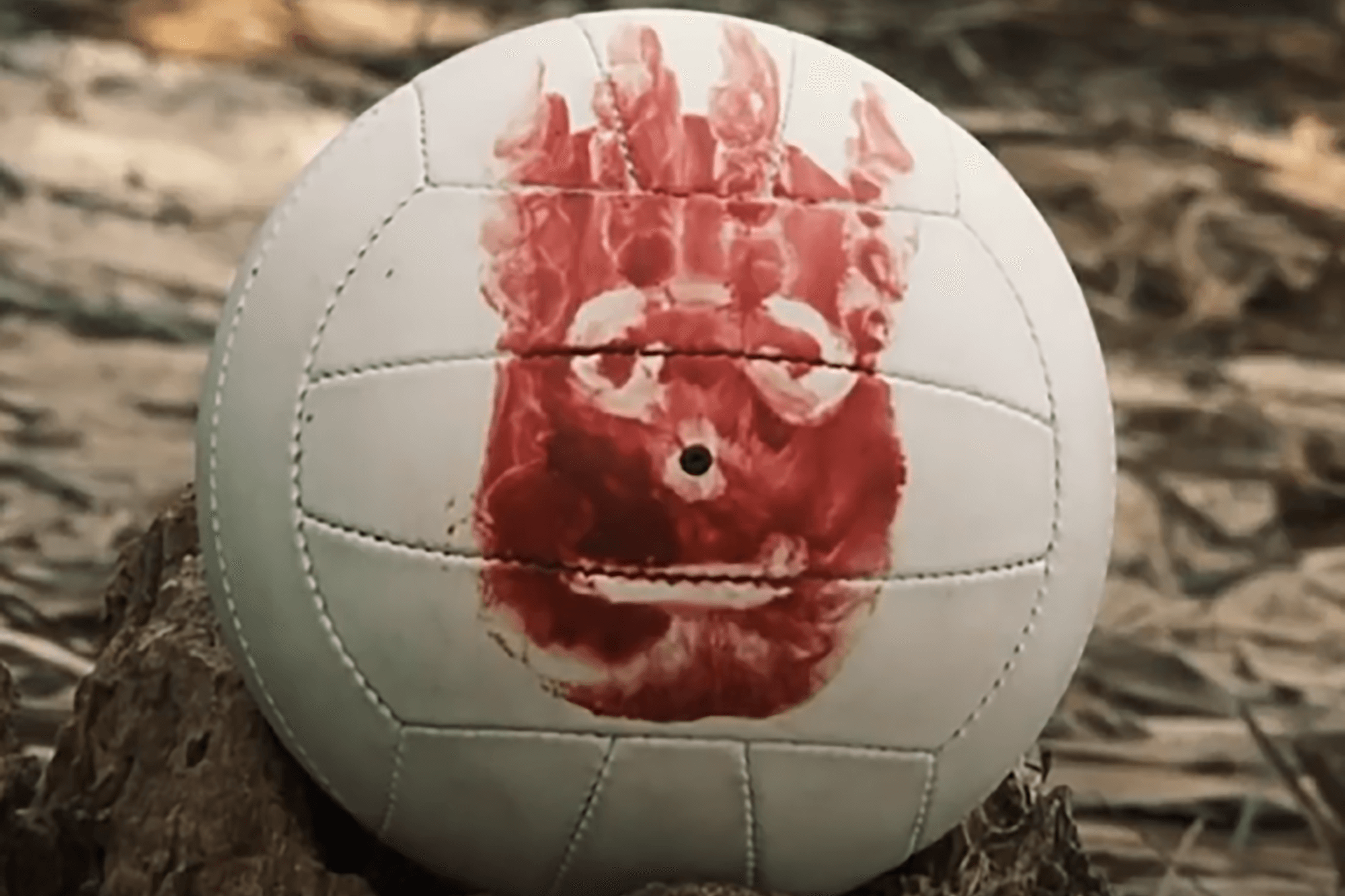
In the 2000 film Cast Away, the character Chuck, played by Tom Hanks, rushed to board a FedEx plane on Christmas Eve for a business trip. He kissed his love, Kelly, after exchanging gifts and headed to work, saying, “I’ll be right back.” His plane crashes somewhere in the Pacific Ocean, leaving him stranded and fighting for survival alone on a small island. First world comforts and busy schedules are pushed aside as necessities like food, water, and shelter become his main focus. Particular objects reminding him of his former life become instruments kept to desperately hold onto his sanity. Among them is a pocket watch with a picture of his girlfriend, Kelly, and a volleyball Chuck named “Wilson.”
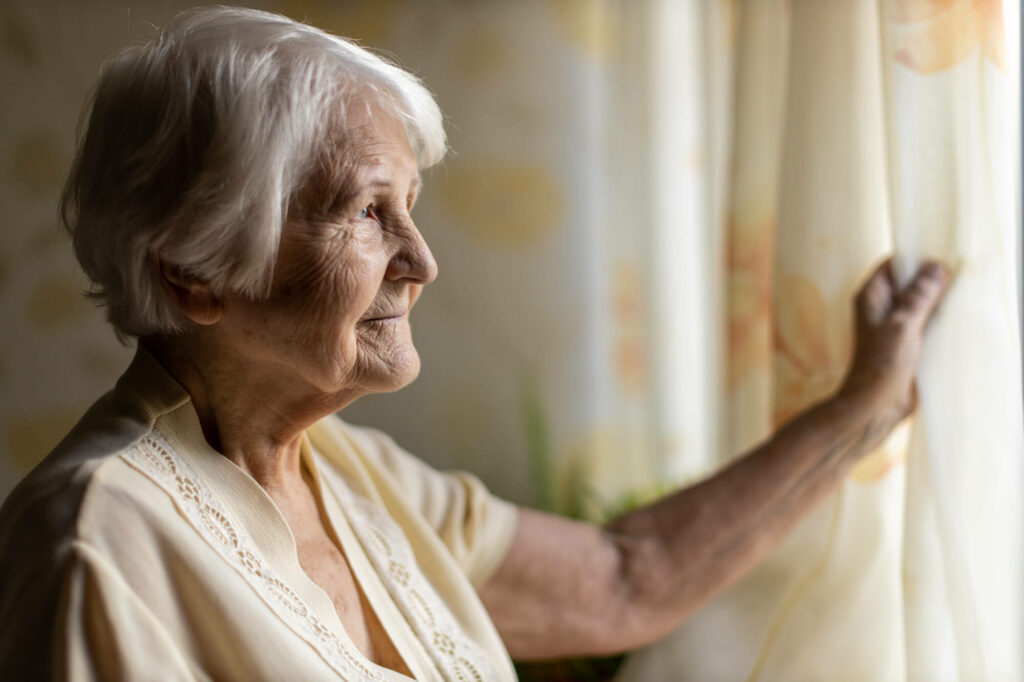
This year, an extremely dangerous and contagious virus spread quickly worldwide, creating a global pandemic upending the economy of nearly every country. Much like in Cast Away, many in this country and others have been placed in a fight for survival. Basic needs have been pushed to the forefront as jobs have been lost or put on hold, and food or toiletries became more difficult to purchase at the grocery store. In an effort to contain or stop the virus, countries struggled with lockdowns and business closings. Hospitals and long-term care facilities adopted policies to keep their patients and residents safe such as visitor restrictions. Due to the effects the virus has on the elderly or medically at-risk persons, isolation quickly became the reality of so many of our most vulnerable. The very thing that, as humans, we desire and need has become dangerous – close physical contact and human interaction.
According to a study at Brigham Young University, a lack of social connection heightens health risks as much as smoking or having an alcohol use disorder. Loneliness and social isolation can be twice as harmful to physical and mental health as obesity (Perspectives on Psychological Science, Vol. 10, No. 2, 2015).
I have seen many friends and family members struggle with isolation and accompanying loneliness. My heart goes out to our family friend, who is hospitalized with severe and life-threatening conditions. She has been suffering her treatments alone in her hospital room without the presence of her husband or small children for months as their physical contact could prove to be too dangerous for her. I often think about and worry over patients who have closed themselves in their homes over the last few months, fearful of catching the virus.
Just as Chuck realized that he needed to get off that island to survive, those who are suffering in isolation need to escape their island. There are many safe ways to do this. The following are some common coping strategies that many healthcare workers and patients use across the country:
Physical activity/exercise
Counseling
Yoga
Religious or spiritual practices
Meditation
Virtual support groups
In Utah, we are fortunate to have many different outdoor activities available. I encourage you to explore the many miles of walking and hiking trails, ride a bike with your spouse or partner, or spend time at the lake fishing. Getting out of the house, exercising, and breathing some fresh air is vital to so many aspects of human health, and it can be done safely without risk of contracting COVID if current guidelines are followed. Recently our neighborhood held an event where our children drew some sidewalk chalk artwork. We then walked around and visited with one another, keeping an appropriate distance, and saw what others drew on their sidewalk. I thought this was an excellent idea to maintain current safety guidelines for disease prevention but still get some social interaction with neighbors that may have been hiding out fighting loneliness and isolation.
If you think you need to speak to a counselor or provider to help you through this time, please schedule an appointment. The important thing is to get out, build your raft, get off your island, and not lose hope.
“I know what I have to do now. I got to keep breathing because tomorrow the sun will rise. Who knows what the tide could bring?” Chuck Noland (Cast Away)
Usually, I would be writing a typical post about kids returning to school and the advice we might have in helping them transition back to school after a fun-filled summer. I would typically tell you to consider getting the kids a check-up, updating their immunizations, beginning to transition them back into a solid bedtime routine, and cutting back on electronic games and watching TV. I would generally encourage healthy meals and good hydration as we prepare the kids and teens to return to school.
Don’t get me wrong. These are all good things and great advice. And if you search for suitable resources like healthychildren.org, the American Academy of Pediatrics Parenting Website, and our canyonviewmedical.com website, you can find great information on any of these topics.
But again, this year has been anything but ordinary.
COVID-19 has taken us all on a wild ride. As health care providers, we try hard to be ready for the unexpected and prepared to help reduce suffering, provide information, offer emotional comfort, and help guide our community. Despite this, none of us were quite ready for a pandemic, even though we have studied them for years. Back at the beginning of 2020, just like families at home, we frantically tried to keep up with the constant changes and rapidly consumed all the information we could gather about this disease. We made policies that we then had to adjust every 2-3 days as new information and guidelines came forward.
At night, we went through the same struggles and constant changes with our families – worries about our kids, our parents, our community, our personal health risks, and our jobs. It seemed like we were all a little discombobulated like we were spinning in circles while trying our best to continue walking in a straight line. Some days were better than others. And some days, anxiety was the prevailing emotion.
Unfortunately, living life and its constant changes have never really been good at soothing our anxieties. Life has always been unpredictable. Even before COVID-19, every day, the algorithm of life was uncontrollable. COVID-19 just brought the awareness of that unpredictability to all of us, almost universally, at the same time. We all collectively gasped, twisted our hands, and started to panic. We have had nearly six months to marinate in this worry, and now we are trying to pull ourselves together and help our kids go back to school.
School is so very important. Huge actually. It needs to be right, feel right, and do right. And starting the school year, in average years, is stressful. We are worried about getting the right teacher, the right classroom, the right clothes, and shoes. We still have all of these worries, just piled on top of the COVID ones. Somehow we need to tame our anxieties and be successful this year.
So my advice today stems from a joke – a cartoon I once saw.
A boss, sick with concern, asks his employee, “How will we achieve our goals this year?”The employee flippantly responds, “Set different goals.”
I recognize that we cannot entirely shift our worries and anxiety this year; it might not be wise to try. This year, I am trying to teach myself and my kids to acknowledge the unwanted companion named “fear,” “worry,” or “anxiety,” and then to adjust and modify our typical expectations so that we can better see our successes and build upon them.
Healthychildren.org recommends, “As kids return to school, it’s important to keep an eye out for stress and anxiety in your child that could be a result of these changes. This can take shape in many different ways, including an increase in physical symptoms, changes in sleep patterns, continually seeking reassurance despite already receiving an answer, and acting out.”
I would add that these are great warning signs for us as adults also.
The advice goes on, “It is important that adults manage their own emotions regarding the pandemic and remain calm, listen to their children’s concerns, speak kindly, and reassure them.”
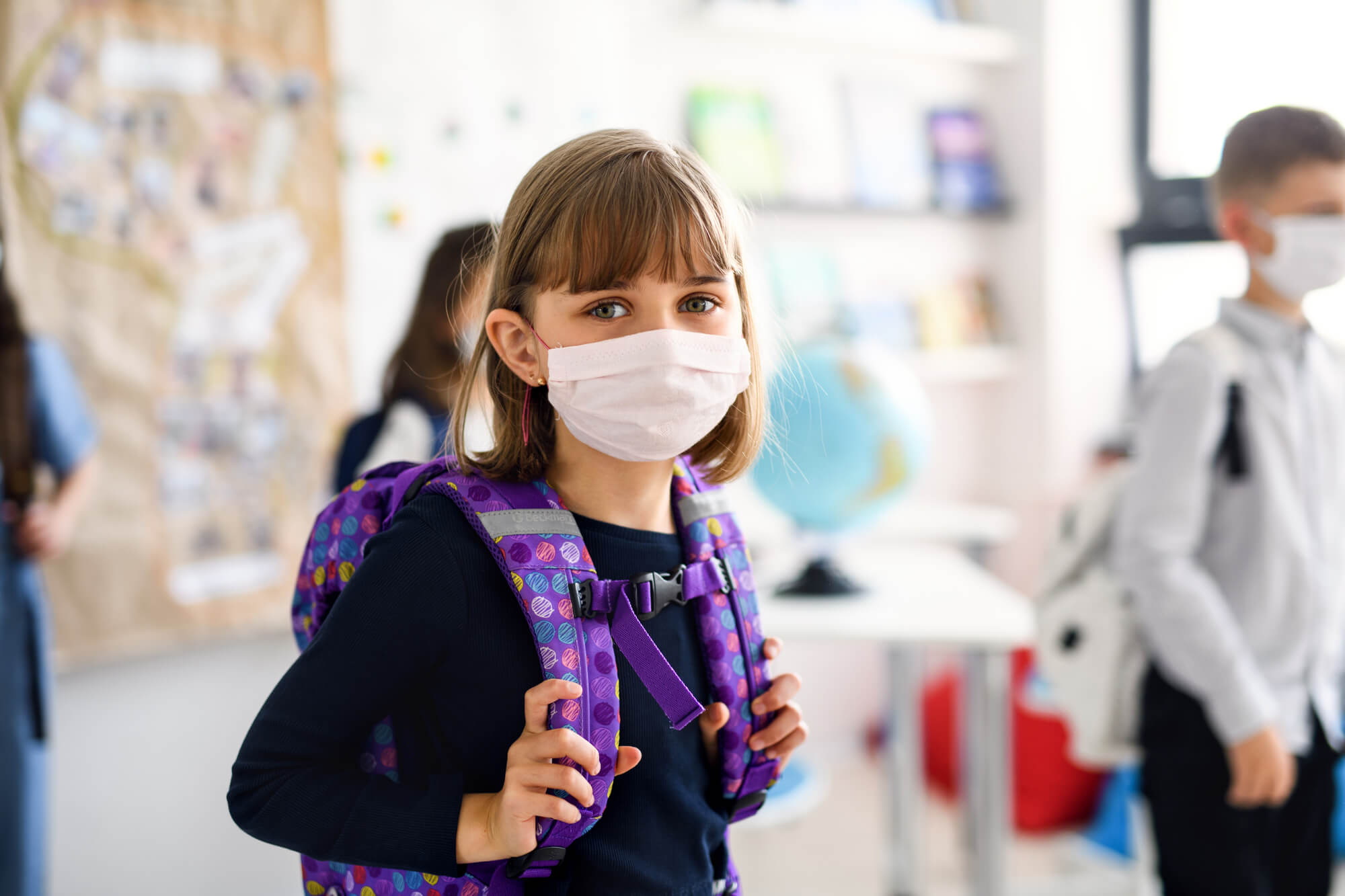
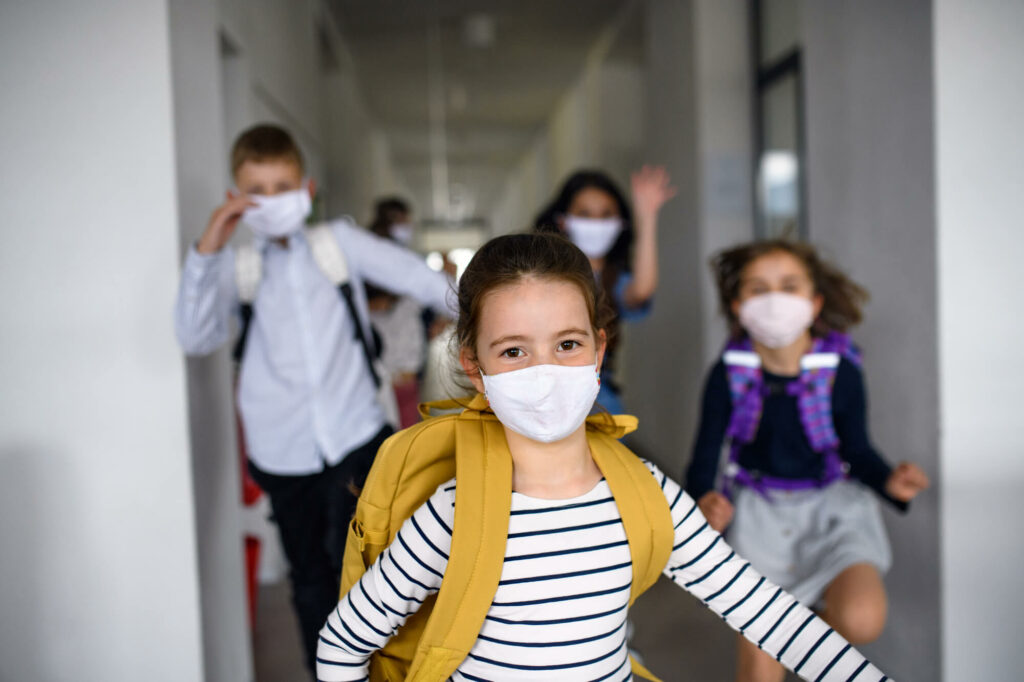
When asked about the kids managing masks and the stresses of returning to school, I recently heard a pediatrician say something like, “The kids will do as well as their parents tell them they can. This has always been true.” Adults and parents managing their own emotions and remaining calm are a powerful influence on their kids.
The article continues, “To help support your child’s mental health about the changes at school as a result of COVID-19, parents should:
Encourage conversation about the new protocols and safety rules
Acknowledge and validate the child’s feelings if they are scared or anxious
Reassure the child that a lot of adults are working hard to keep everyone safe.”
It is important to remember that if your child’s anxious behaviors persist despite the above interventions, contact a trusted health care provider, mental health provider, or school counselor.
You can access a lot of great information on how to talk to your kids about mask-wearing, myth busters statements about masks, and why the American Academy of Pediatrics, “Strongly advocates that all policy considerations for the coming school year should start with a goal of having students physically present in school.”, on their education site at Healthychildren.org
So as the fall season blows in, and recess bells and school traffic zones come as a sliver of a return to normality, we will try to breathe deeply and slowly.
We will remind ourselves that the way we view things and talk about them significantly impacts our moods and our children’s moods.
We will remember that there is hope in the idea that having to rethink everything might bring about beautiful changes we didn’t even see that we needed.
We will rejoice in the idea that this group of kids and teens will be more flexible and resilient than they otherwise might have been and that they might value the “essential workers” with greater esteem than the generations before them.
We hope the kids and teens will become the wise leaders of the future because of the many lessons they have learned during the pandemic – struggles, anxieties, and resilience.