Preparation is key to running a successful race. Getting pregnant is similar. Preparing for pregnancy is very beneficial to the outcome. Watch Canyon View Women’s Care provider, Kristen Wright, FNP to learn what can be done to be ready for the big event of pregnancy.
Tag: Canyon View Medical Group
Rapunzel, Rapunzel, where is your hair?

Mother Gothel, from the Walt Disney Classic, Tangled, went to extreme lengths to get the hair that she wanted. She secretly discovered the anti-aging capability found in a magic flower that was transferred to the long, gorgeous locks of Princess Rapunzel. Gothel tried to take a piece of Rapunzel’s hair to steal the magic and remain young forever. Cutting Rapunzel’s beautiful blond hair was not the answer, because the magical anti-aging power disappeared when her hair was cut. Gothel was selfish and desperate. She abducted the newborn, brainwashed Rapunzel, and eventually locked her in a tower to “protect” her.
The story depicts how Rapunzel eventually escaped, used the magic properties in her hair to heal a friend, and then discovered the truth….that she was the lost princess of the kingdom. Even though our hair doesn’t have magical anti-aging and healing properties like Rapunzel, our hair is significant. It represents our personality, adds to our style, and is part of our identity. Hair thinning, loss, or balding is very distressing. And it doesn’t just happen to men.

Alopecia, or hair loss, has many causative factors. It may have genetic roots or be the result of certain hair products or styling practices. It may be caused by a systemic health condition, be a reaction to stress, or stem from an autoimmune disorder. Hair loss can be diffuse or patchy, temporary, or permanent. The treatment is dependent upon the precipitating cause. Addressing the reason for hair loss more quickly tends to help decrease personal anguish, improve quality of life, and facilitate treatment outcomes.
Abrupt onset of overall hair loss and thinning can often stem from a specific, traumatic event. Telogen effluvium occurs when the hair’s growth phase is prematurely cut short and more hair than usual is forced into the telogen or “resting” phase. Hair is typically in the resting period two to four months before it falls out and is replaced by new hair. This means hair loss may not be very noticeable until two to four months after the precipitating event occurs. Telogen effluvium is characterized by clumps of hair that comes out in the shower or with brushing. It is usually self-limiting, and hair regrowth should be visible within two to six months. Since hair growth on the scalp is slow, hair may feel or look thinner for a while, but as the new hair comes in, fullness should be restored. Common causes of this type of loss include:
· Surgery
· Significant weight loss
· High fever or severe infection
· Emotional stress
· Extreme physical trauma
· Dietary changes, including iron deficiency
· Certain medications
· Abrupt hormonal changes
Classic telogen effluvium is noticeable in the postpartum period, about three to four months after giving birth. The trauma of delivery and significant hormonal changes sometimes leaves a woman wondering if she is going bald. Proper nutrition and time are typically all that is needed to recover from this situation. Most women will notice fullness returning within six to 12 months. Perimenopause is another classic time that women may see drastic thinning or loss. The decline in estrogen and progesterone at this time may slow hair growth and make shedding more pronounced. Increased androgens that may occur at this time also cause hair follicles to shrink and accentuate hair loss. This, too, should stabilize with time.
Telogen effluvium that occurs with hormonal changes should be differentiated from a familial condition called androgenic alopecia. This type of hair loss is gradual and progressive. Men have a classic balding pattern, which includes a receding hairline at the forehead and temporal regions on both sides. They also experience hair loss on the crown of the head. Women can experience similar progressive loss, which may start in their 20’s or 30’s. It is called female pattern hair loss and typically caused by elevated levels of DHEAS (indicating a high testosterone level). The pattern of loss is different compared to men. Women may see their part widening and notice a feeling of thinning at the top of the head. Minoxidil cream can be used by men and women to improve hair growth; however, hair loss recurs when treatment is discontinued.
Women are vulnerable to over-processing their hair with heat, styling products, or tight hairstyles. Pulling, bleaching, or chemicals may cause trichorrhexis nodosa. This is when the hair suddenly breaks from trauma and can happen at the root or anywhere along the hair shaft. Once the offending agent or practice is stopped, hair should recover and regrow.
Alopecia areata is hair loss that typically results in bald patches and stems from a problem with the immune system. It only affects a small percent of the population but is not limited to age or gender. A skin biopsy may be required to help diagnose this condition, and loss can be temporary or permanent. A high rate of spontaneous remission and hair growth can often be seen within one to three months; however, loss at this site may recur. Local steroid injections may be beneficial in suppressing inflammation and allow for regrowth.
Local skin infections, systemic conditions (i.e., thyroid disease), or metabolic disorders may contribute to hair loss. Psychiatric disorders, such as hair-pulling or trichotillomania, can also cause bald patches or diffuse thinning.
Chemotherapy is classically known to cause significant loss (called anagen effluvium). Regrowth typically begins within three to six weeks of finishing treatment; however, color or texture changes may occur in the new hair.
Rapunzel is a fairy tale. Even though our hair doesn’t magically heal our wounds or keep us young forever, we may feel or look older if we experience significant or early hair loss. Many causes of hair loss are self-limiting and reversible. It is essential to have an examination done, discuss your personal and family history with your provider, and do further testing to address hair loss adequately. Talk to your provider if you are concerned about your hair.
More information may be found at:
American Family Physician, Hair Loss: Common Causes and Treatment https://www.aafp.org/afp/2017/0915/p371.html#
Dr. Frandsen Farewell
After 34 years of dedicated service, Dr. Tracy Frandsen is retiring.
Unfortunately, the current pandemic will not allow us to host an Open House to express our appreciation for each other in person.
Instead, Dr. Frandsen created a Virtual Open House Video to share with you.
If you would like to share a memory with him, please add in the comments section of the YouTube video.
Canyon View Medical has not left any of Dr. Frandsen’s patients without medical coverage.
We are happy to introduce Dr. Steven Weatherspoon. Please click here to learn more about him.
We wish Dr. Frandsen the best in his next chapter of life. Thanks for all the years of caring for our community.
What A Cowboy Can Teach You About Your Colon

Almost twenty-one years ago, one of my favorite patients asked me about screening for colon cancer. He was a true cowboy. He grew up herding sheep in the Wasatch Mountains, and even though he was in his late 70’s, he was still regularly herding livestock on horseback. Talking about and potentially examining his colon wasn’t something for which he was looking forward. As a World War II veteran, when he was told that he was overdue for colon cancer screening, he looked like I was asking him to hit the beach again somewhere in the South Pacific. But he “cowboyed up” and agreed to be screened. When the results came back, we had found a small mass that turned out to be early cancer. After removing the mass, he lived another 18 years, cancer-free, spending time with his family, and having adventures in the mountains he loved. He worked on his horse well into his 90’s. That is real, non-Hollywood, Utah True Grit.
Colon cancer meets all criteria for cancer screening. It grows slowly and doesn’t spread until later in the disease. Meaning, there is a long period during which it can be detected and easily cured.

There are many options for screening. Most of my patients choose between a full colonoscopy, yearly stool testing, or newer stool-based tests every few years. Stool-based tests do not require any cleansing of the colon (also called “prep”), but if the test result is positive, a colonoscopy to examine the colon for masses or polyps is required.
During a colonoscopy, the colon is inflated with air and carefully examined. The removal of early cancers or pre-cancerous polyps found during the colonoscopy will often prevent a need for subsequent surgery. Patients are sedated during colonoscopies to lessen any discomfort. A “Virtual Colonoscopy” is also an option, but it still requires both the uncomfortable colon cleansing prep and the colon’s painful inflation. The “Virtual Colonoscopy” uses a CT x-ray machine to examine the inflated colon, but is performed without sedation and hasn’t been very popular.
Most of my patients who choose a colonoscopy describe the preparation as unpleasant, but the procedure itself is usually “no big deal.” I had mine at age 50 on a Monday morning three years ago. The evening before was honestly a bit eventful, but I honestly don’t remember anything other than counting backward from 10. I was back in the clinic, seeing patients after lunch.
If your colonoscopy is healthy, it only needs to be repeated every ten years. I was lucky and won’t have to do it again until 2027. Some of my patients also opt for a colonoscopy starting at age 50; others start stool-based testing at that same age. If you have a family history of colon cancer at a young age or a family history of many polyps, we should talk about possibly starting screening at an earlier age.

I have spent a few nights volunteering at the Fiesta Days Rodeo in Spanish Fork. My job was to ask the cowboys as they were limping back to the stands if they needed any help. Often, those cowboys were clearly injured, but would almost always shake their heads and mutter, “I’m OK, Doc.” They are some of the toughest people I know. My Utah cowboy patient taught me that tough guys on horses have the True Grit to get screened, and this screening can literally save their lives.
Colon cancer is one of the leading causes of death, but it doesn’t have to be. Be tough. Be as tough as a real Utah Cowboy or Utah Cowgirl. If you are due, get screened.
For more information:
Could Intermittent Fasting Help You?
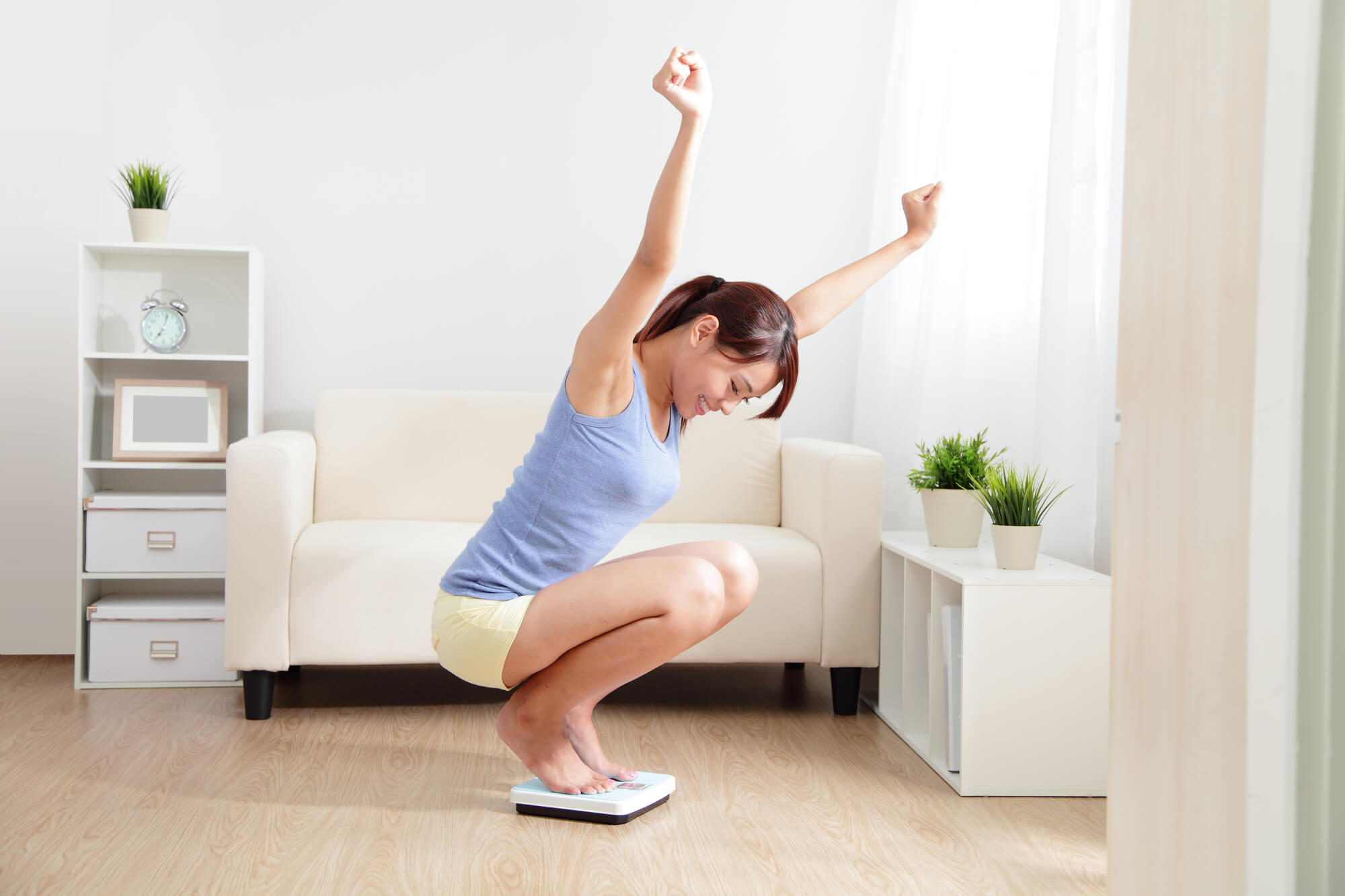
The thought of fasting may invoke feelings of dread or moans and complaints, but the principle could deliver some potent health benefits. Intermittent fasting may be the key to helping you prevent and treat diabetes and lose weight.
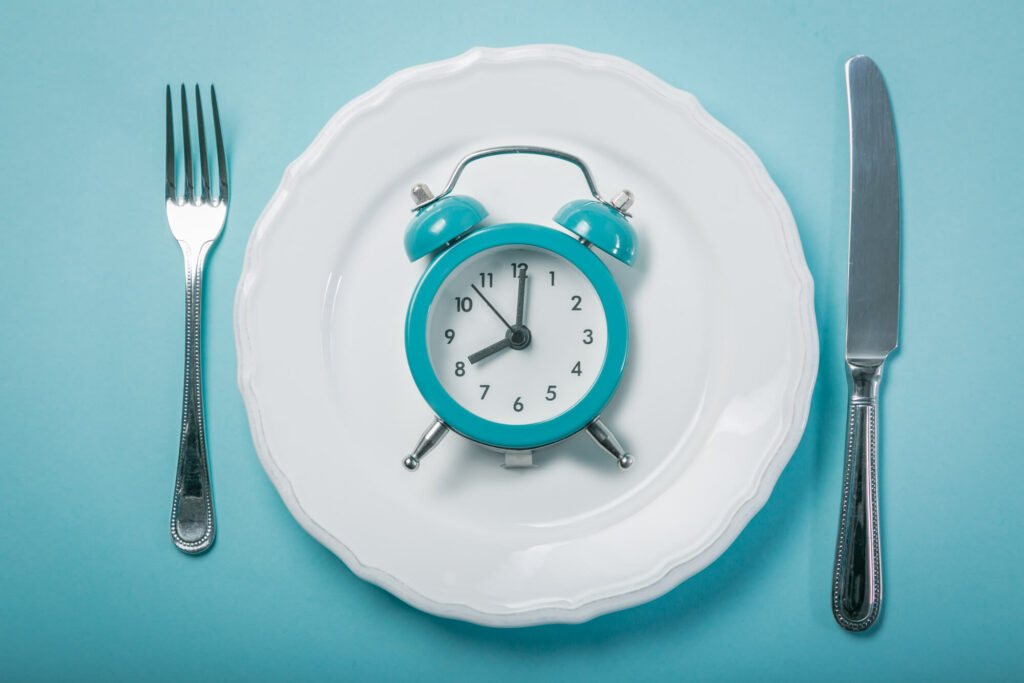
What is Intermittent Fasting?
Intermittent fasting means choosing when to eat and when to abstain from food. It is deliberate and controlled. Cycling between eating and fasting helps to regulate the hormones that control glucose metabolism and fat storage. Intermittent fasting allows the body to draw energy from fat cells, which leads to weight loss.
Intermittent fasting is still somewhat controversial but can provide significant health benefits when used appropriately. It is not for every person or everybody.

How Does It Work?
To understand how periodic fasting works, you must appreciate the basics of digestion – energy consumption, storage, and some of the key hormones associated with regulating these processes.
Food is broken down into smaller pieces in the digestive system so the nutrients can be absorbed into the bloodstream, then distributed throughout the body. Carbohydrates (like bread, pasta, cauliflower, and carrots) are sugar molecules that are chemically combined into long chains. Proteins (for example, meats and nuts) are made up of amino acids, and fats are composed of individual fatty acids. All are essential to the body. Since carbohydrates are made of sugar molecules, they are broken down into smaller pieces of sugar, called glucose. Glucose provides the energy that all cells need to function correctly.
This glucose (or energy) must either be used or stored. Insulin is the hormone that tells the energy where to go. It is the driver that controls whether glucose is pulled into the cells for immediate use or whether it will be stored in long or short-term storage locations. Glucose is initially stored short-term as glycogen in the liver and muscle cells. This storage location has limited space but is easy to access, and glycogen can quickly be converted back to its usable form of glucose.
When short-term storage is full, there is long-term storage with virtually unlimited space, but it takes a little more work to retrieve. This energy is stored in the fat cells. When there is an abundance of glucose in the bloodstream, and glycogen storage is full, glucose is pushed into fat cells. When fat cells are stuffed to capacity, the body can make more fat cells to store the energy. It’s a fantastic survival technique, but not necessary in our current society.
Compare it to heading to the airport to catch a flight. You can either be dropped off at the doors and head into the terminal immediately or have to go park. If you have to park a vehicle, you can go to short-term or long-term parking. The long-term lot has more space but is a little harder to reach. It takes more time and effort to catch the shuttle and get back to the front doors of the airport terminal to get to your desired location ultimately.
When the body needs more energy, the short-term storage of glycogen will be used first. Glycogen stores can supply approximately 24 to 36 hours of energy. If the demand for glucose continues without new glucose coming in (as in the fasting state), the body will switch over to pulling from long-term energy storage in the fat cells. This is how intermittent fasting helps with weight loss. It forces the body into breaking down fat to use as energy. This is a more complex pathway, so the body only does it when it is required.
What Is Insulin Resistance?
Insulin resistance occurs when there are constantly elevated levels of glucose in the bloodstream. The body responds by secreting more insulin, but the cells don’t listen very well to what insulin (the driver) says. This often occurs when large amounts of carbohydrates are consumed (particularly simple carbohydrates), and there is a lack of physical activity. Muscle cells require a lot of energy, especially with exercise, so if there is less activity, there is a diminished need. Insulin resistance means there is more insulin in the system; hence there is a higher capacity to store incoming glucose. Since glycogen storage is limited, it often goes to long-term locations and is stored…as fat.
How do I do Intermittent Fasting?
SHORTER FASTS are often done most days of the week. This means limiting meals to an 8-hour window during a 24-hour time frame, for example, eating between 11:00 and 7:00 pm. The eating period could also be limited to 4 or 6-hours, depending on what works for you. It takes two to four weeks to adapt to this new way of eating, but most people report increased energy, focus, productivity, and they feel “leaner” after a month.
LONGER FASTS are done less frequently, generally two to three times per week, and involve just once a day eating. For example, eating dinner on one day and skipping all meals and snacks until dinner the next day. An alternate regimen includes regularly eating five days a week and mostly fasting two days per week. On the two fasting days, 500 calories per day may be consumed, either as one meal or spread throughout the day. A low-carb diet on the “normal” days will make fasting days easier to maintain. It is important not to binge during non-fasting times. Fasting more than 36-hour should be supervised by a medical professional.
Normal activities (including exercise) should continue, even on fasting days. If you participate in long/endurance-type workouts, however, you may benefit from eating before exercise. Fluids are still essential to maintain during fasting, but they are typically limited to water, coffee, or tea (without sugar or artificial sweeteners) to get the benefits of decreased insulin. If whole food categories are removed from your nutrition plan, remember to get the necessary vitamins and minerals from another source. The body tends to absorb these nutrients best from natural food sources, but a multivitamin or supplement may be required.
Conclusion
Weight control, appetite, and glucose metabolism are complex processes that involve multiple hormones and body systems. Insulin, however, is a significant player. Intermittent fasting may be the answer to helping you lose weight and improve overall health, especially if you exhibit signs of insulin resistance, pre-diabetes, or a condition called metabolic syndrome. Talk to your provider if you have questions.
Resources
The Obesity Code by Jason Fung
https://www.dietdoctor.com/intermittent-fasting
Intermittent Fasting: Transformational Technique by Cynthia Thurlow
Reversing Type 2 diabetes starts with ignoring the guidelines by Sarah Hallberg
Achieving a Healthy Weight is Not a Race!

During my senior year in high school, I joined the newly organized rowing team. I rowed in an 8-man shell, and since we faced backward, we had a coxswain to direct us.
The coxswain was the leader of our shell (a long narrow rowing boat), who would yell “stroke” to keep us pulling the oars in sync and help steer us to stay on the course. Some days the water would be smooth, and other mornings it was a challenge to cut through the choppy water and battle the wind. It was a magical experience when we were all in rhythm with each other, and the elements were cooperative.
We attended a Regatta in Canada with tight weight regulations, and to my huge disappointment, at the weigh-in station, I was too heavy and wasn’t allowed to row with my 4-man team. I was embarrassed and felt like a failure.
This failure knocked my self-esteem, my motivation, and interfered with my social interactions for a while. To some people, this exaggerated response to one incident may seem ridiculous. To others, you’re probably saying, “I get it.”
The truth is, about 4 out of 5 of us will need to be thoughtful about what the scale says at some point in our lives. Weight may have been a concern when you went through puberty, or maybe you were lucky and didn’t have to think about it much until you were older. Regardless, the majority of us will have to adapt to lifestyle habits: how much and how often we eat and adjust our physical activity to maintain a healthy weight. Even if you don’t significantly change your diet or exercise habits, your body may be changing, which means YOU have to adapt to the new you.
Traditionally, the foundation for weight loss is based on the calories in/calories out model. If you want to lose weight, you have to eat less and move more. Fundamentally correct, but there is a lot more to it than that. Like rowing in a competitive race, many factors play a role in weight control and overall health. Anyone who has studied nutrition and weight control, or has personally tried to lose weight knows that it is complicated!
When rowing, we depended on our coxswain to keep our team working and our shell on the right course when rowing. For weight control, insulin works a little like a coxswain. This hormone tells our body that glucose, used as energy for individual cells, is available and helps the glucose into the cells that need it. Glucose is supplied to every cell in the body for thinking, working, exercise, healing, etc. The other function of insulin is to store glucose for future energy needs. In other words, insulin is a storage hormone, which causes the body to store fat.
Insulin resistance occurs when insulin levels are consistently high, and the cells “don’t listen” to insulin very well. Sugar remains in the bloodstream; thus, releasing more insulin and storing more fat. This becomes a vicious cycle that requires a different approach to weight loss, one that decreases insulin in the bloodstream, hence hormonally influencing the body to burn fat rather than store it. Intermittent fasting is one very effective way of doing this.

Intermittent fasting may be a new concept to you. Seeing results will take time. Pay attention not only to what you are eating but also when you are eating to help the complex systems that regulate your weight to work more effectively, efficiently, and in harmony.
To have a satisfactory race when rowing, we had to listen to the coxswain, be in tune with each other, and adapt to the elements. We made adjustments as conditions changed. Our coxswain helped us work together and course-correct when we weren’t going in the right direction. Weight control is a lot like this. It is a multifactorial system that requires coordination and cooperation with nutrition, physical activity, and hormones. So ask yourself – as your body or conditions change, are you making the appropriate adjustments to maintain a healthy weight? Eating foods that are close to their natural state, in the proper amount, and at the right time will help the hormones that regulate weight work in harmony with your body. Intermittent fasting may be the course-correction you need to be healthy at a normal weight. Talk to your provider to see if this is something that may benefit you.
If you want to learn more about these principles, here are a few resources.
The Obesity Code by Jason Fung
https://www.dietdoctor.com/intermittent-fasting
Intermittent Fasting: Transformational Technique by Cynthia Thurlow
Reversing Type 2 diabetes starts with ignoring the guidelines by Sarah Hallberg
Did Someone Say They Hate Running?

Whenever I am asked to help someone start a running program or train for their first race, I like to share one of my favorite anecdotal tales:
“Every morning in Africa a gazelle wakes up and knows that it must run faster than the fastest lion or it will be killed. Every morning a lion wakes up and knows that it must run faster than the slowest gazelle or it will starve to death. It doesn’t matter whether you are the lion or the gazelle when the sun comes up, you better start running.”
Let’s be honest…running isn’t always fun. I am a runner, and truth told, I can remember a time or two when it was downright miserable. However, there is something about waking early when most of the world is asleep, lacing up my shoes in time to feel the cool morning air, and hearing the sounds of nature coming to life around me. My love for running wasn’t immediate and I certainly wasn’t good at running the day I started. For most people, it takes time and effort to reap the benefits running can provide. I have spent many years figuring out what keeps me motivated while trying to find a balance in how hard I can push my body without injury. What works for me, may not work for you. Maybe running is not your thing. No worries, you are not alone.
Whether it be running, walking, swimming, cycling, or any other moderate-intensity workout, according to the CDC, nearly 80% of Americans do not meet the goal of 150 minutes of aerobic exercise per week.
A recent poll asked Americans why they did not exercise. Surprisingly, “I don’t like to exercise” came in behind “I don’t have time” and “I’m too tired.” Albeit, “I’d rather watch Netflix,” was not too far down the list.
It’s not that we all haven’t heard we need to exercise to be healthy, but it appears exercise is not on the top of most of our to-do lists. If you find yourself somewhere in the “I hate exercise and I’d rather watch Netflix category,” here are a few things that might help:
What’s your thing?
Running happens to be my thing, but running might not be your thing. What is your thing? Finding an exercise that you enjoy is key.
Did you like to Roger Rabbit, do the Twist, or dance the Samba back in the day? Try Zumba.
Were you on the swim team in high school, need a low impact sport, or just like doing your hair twice daily? Maybe aqua aerobics, or better yet aqua Zumba may be your jam.
Perhaps having an outfit (you call a kit) that looks like you are a member of a racing team, sounds like fun–try cycling.
Are you motivated by competition? Try signing up for a 5K or a mini-triathlon.

Schedule it.
Make exercise a priority. Make it part of your everyday routine. It can take a while for a new behavior to become a habit, so give yourself time to get into a regular routine. One way is to try to be active around the same time each day. Another way is to schedule a weekly class or schedule a repeating exercise date with your friends. You are much less likely to cancel on a friend than to cancel on yourself. Once it becomes a habit, you will miss it when you are unable to exercise. Jim Ryun, the first high school athlete to run a sub-4:00 mile, said, “Motivation is what gets you started. Habit is what keeps you going.”
Never give up. Keep trying.
If you tried running, and you really did hate it, then try something else. If you have had an injury in the past, and are afraid of being hurt again, try swimming, walking, or the elliptical. Just because you haven’t liked or done well with keeping an exercise routine in the past, does not mean it will not stick this time.
Thomas Edison said, “Our greatest weakness lies in giving up. The most certain way to succeed is always to try just one more time.”
If you miss a day or a workout, don’t worry; hit it again the next day. If what you are doing isn’t working for you, try a different workout, try a different time of day, or try finding new friends.
If 150 minutes of exercise a week sounds overwhelming in the beginning, break it up. Try 30 minutes, five days a week, or 50 minutes three days a week. It also works to do ten minutes here and ten minutes there, just make it count, it all adds up.
The benefits of exercise include stress reduction, better sleep, improved mood, and sharpened focus. These benefits are almost immediate and can be felt right away. The longer-term benefits of reducing your risk for type II diabetes and some types of cancer, controlling your blood pressure, and maintaining a healthy weight will over time, help you to live a longer, healthier life.
The key to establishing and reaping the rewards of exercise is finding that thing you enjoy (or at least don’t hate), doing it with people you like, making it a habit, never giving up, and remembering, someone, somewhere, once said, “No matter how slow you go, you’re still lapping everyone on the couch.”
Summer Should Be Fun…and Safe

Oh, summer, where have you been? Longer days and later nights, the sound of kids playing in the neighborhood, snow cones, swimsuits and sprinklers, carnivals, camping, and family vacations. Summer is a time when people and their families make memories enjoying the outdoors. It’s supposed to be filled with fun, so here are a few reminders to ensure it stays safe while having fun.

All the cool kids are wearing helmets. Summer is when kids love riding their bikes, rollerblading, skateboarding, and using motorized scooters. Encourage your children to wear a helmet, and explain that it just may save their life. Many injuries happen in driveways, on sidewalks, and on bike paths, not just on streets. Children learn best by observing you, so set the example. When purchasing a helmet, look for a label or sticker that says the helmet meets the CPSC safety standard. A helmet should be worn so that it is level on the head and covers the forehead, not tipped forward or backward. The strap should be securely fastened with about two fingers able to fit between chin and strap. The helmet should be snug on the head, but not overly tight.
Streets are for cars, not kids. Teach your children road safety.
- Teach them to use crosswalks, if available.
- Teach them when you should cross and when you shouldn’t. Look both ways.
- Encourage them to ride bikes on the sidewalks instead of streets.
- Playtime should have restrictions. Your kids should never play where vehicles are moving.
- Wear bright-colored clothing so they stand out to drivers.
Sunburns hurt. They can also be dangerous. So, power through the tantrums and resistant behavior when applying sunscreen to your kids. They will thank you when they’re older (or maybe not). Tips for sun protection include wearing hats, using long sleeves or pants when in the sun for extended times, and of course using a broad-spectrum sunscreen with SPF30 or higher. Canyon View Medical has some fantastic blogs on sunscreen. Check these out. Skin Protection by Dr. Paxton, How to Pick the Right Sunscreen by Kristen Wright, FNP.
Hot cars can be killers. NEVER leave your infants and children (or pets) in a car unattended. NOT EVEN for a minute. We hear about cases every year, yet Utah continues to have heat stroke-related deaths due to parents leaving their children in the car. In fact, according to the Utah Department of Health, on average, every 10 days a child dies from heatstroke in a vehicle. In more than half of these deaths, the caregiver forgot the child was in the car. In 2018, 52 children died in hot cars across the U.S., and by June of 2019, we had already seen 11 deaths nationwide. It may be tempting to run into the gas station while your baby sleeps, or leave your toddler in the car while you drop something off at a friend’s house, but it’s best if you don’t. On an 80 degree day, the temperature inside of a car can rise 20 degrees in as little as 10 minutes and keep getting hotter with each passing minute. So, imagine what happens when the temperature outside is 100 degrees or more. Keep in mind that leaving a window open or being in the shade won’t help. Young children are particularly at risk, as their body heats up three to five times faster than an adult’s. When a child’s internal temperature gets to 104 degrees, major organs begin to shut down. And when that child’s temperature reaches 107 degrees, the child could die. It’s not worth it.
Pools are fun until they’re not. Water safety is important. You may have heard that drowning is the second most likely cause of death for kids 1-4 years of age (only after birth defects), but did you know that 69% of drownings occur during non-swim times? This means most drownings occur during unexpected and unsupervised access to water. Toddlers are, by nature, curious and active. Water safety is important at all ages, but especially for mobile children under 4. Make sure your toddlers don’t have access to indoor and outdoor standing water (i.e. swimming pools, hot tubs, bathtubs, natural bodies of water such as ponds, buckets filled with water, toilets, birdbaths, etc.). Swimming lessons are encouraged. All children should wear a life-jacket when near lakes and rivers, even if they can swim.

Water should be a food group. Make sure your kids drink plenty of water while in the heat of summer, even if they don’t feel thirsty. If possible, avoid activity during the hottest part of the day. Stay hydrated.
References:
www.healthychildren.org, an American Academy of Pediatrics website
https://www.safekids.org/heatstroke
https://www.cpsc.gov/Business–Manufacturing/Business-Education/Business-Guidance/Bicycle-Helmets/
Green Exercise
Feeling cooped up and tired during the quarantine? The answer to the problem is Green Exercise! Get outside and feel the “magic”. Watch and learn more about the miracle of Green Exercise.
Getting Hip Replacement Surgery

Lori is an active, 58-year-old woman who loved walking, gardening, and dancing to stay in shape. However, in the summer of 2016, she started to notice a dull, aching pain in her hip when she walked. She was stiff as she got out of bed or after she had been sitting for a long time. Gradually she started to experience more pain in her hip/groin region and her leg started to give way when she was walking.
“I had never fallen on my hip or had any injuries,” Lori said. “The pain just started gradually coming on and getting worse over the years. I used to walk 6 miles a day but now my hip hurt so bad that I couldn’t make it around the block.”
Lori was no longer able to enjoy her normal activities because of the pain. Bending over to work the garden was excruciating and dancing was out of the question. After suffering for 2 years, Lori finally set up an appointment with Dr. Blake Gillette.

The Diagnosis – Degenerative Osteoarthritis of the Hip
When Dr. Gillette examined Lori, he found that she had degenerative osteoarthritis of her hip. Her x-rays showed that there was a loss of joint cartilage, narrowing of the joint space between bones, and bone spur formation.
Osteoarthritis symptoms include pain in the affected joint during or after movement, joint stiffness, tenderness, loss of flexibility, and a grating sensation with movement. Lori was experiencing all these symptoms.
Dr. Gillette’s main goal in treating Lori was to improve her standard of living and her ability to get around without pain. Because Lori had already tried non-surgical options, such as rest, using a cane to take the weight off of the affected hip, anti-inflammatory medications, and steroid injections, Dr. Gillette and Lori decided hip replacement surgery would be the best course of action.
Hip Replacement Surgery
The hip joint is a ball-and-socket mechanism with the ball located at the top of the thigh bone. Hip replacement surgery involves replacing the painful joint with an artificial joint made from metal and plastic components. The damaged ball is replaced with a metal ball and the hip socket is resurfaced using a metal shell and a plastic liner.
Recovery
Lori was up to the task when it came to doing what it took to get her mobility back. Her physical therapist helped her learn how to use a walker during the afternoon of the surgery. As therapy progressed, she was able to increase the weight she put on her leg until she was able to walk without assistance. She resumed most of her normal routine activities within the first 2 to 3 weeks. The next 3 to 6 months of recovery and physical therapy focused on returning motion to the joint and strengthening the surrounding muscles.
It’s been over a year since Lori’s surgery. She continues to incorporate healthy exercise into her daily routine. She has learned that low-impact exercises such as walking, swimming, golfing, and bicycling are very beneficial to patients recovering from joint replacement surgery. She avoids activities that involve impact on the joints, such as jogging or jumping.
“Dr. Gillette, Blaine, and V are amazing. I have recommended Dr. Gillette to several family members and would highly recommend him to anyone living with pain. I was confident in everything he did for me and I’m very pleased with the outcome. I am grateful that I can do the things I want to do again, including dancing around the kitchen with my husband,” said Lori.
Schedule an Appointment
To learn more about Dr. Gillette, click this link. To schedule an appointment with Dr. Gillette, call (801) 894-1344.